FRPU
window
Pultruded FRP fiberglass window with polyurethane resin matrix. No steel liner, excellent thermal insulation, salt‑corrosion & weather resistance. Fit for passive house, coastal and high‑rise projects, customizable casement & sliding styles.。
‹
›
‹
›
Flexible Ventilation and Reliable Thermal Performance
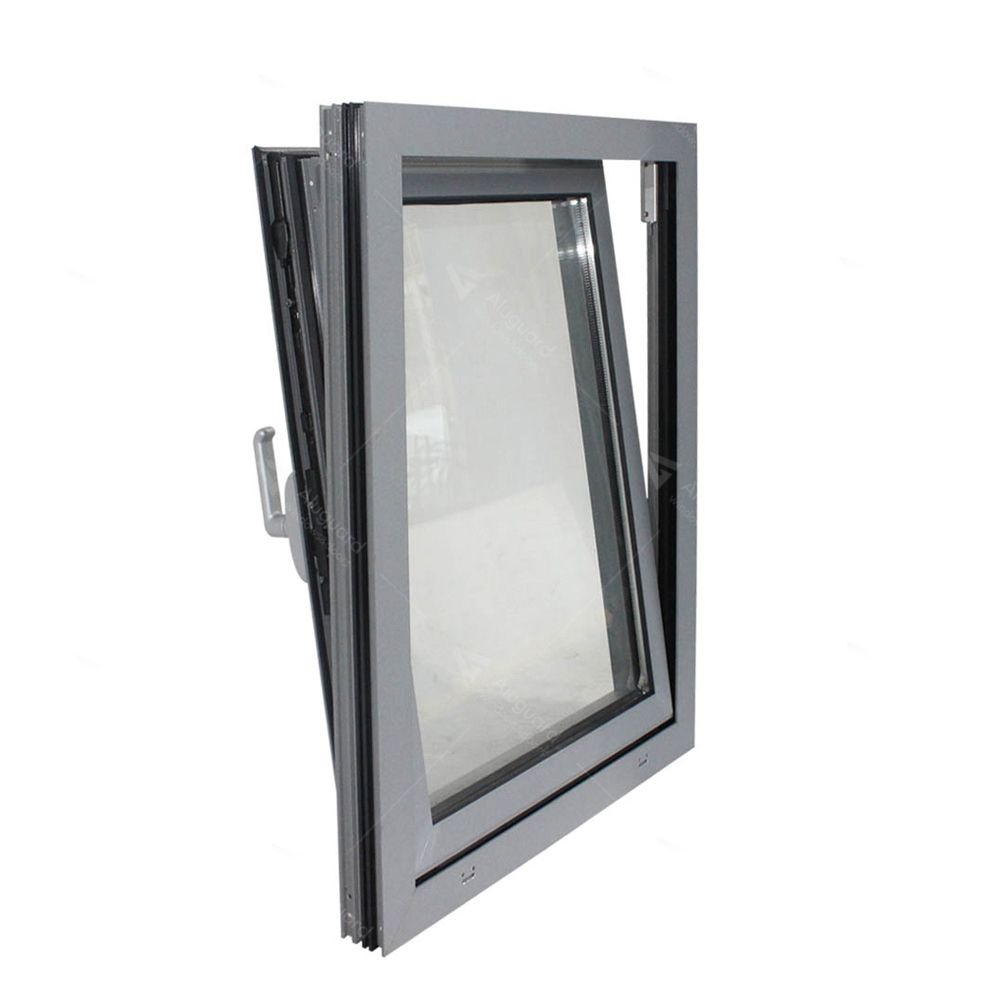
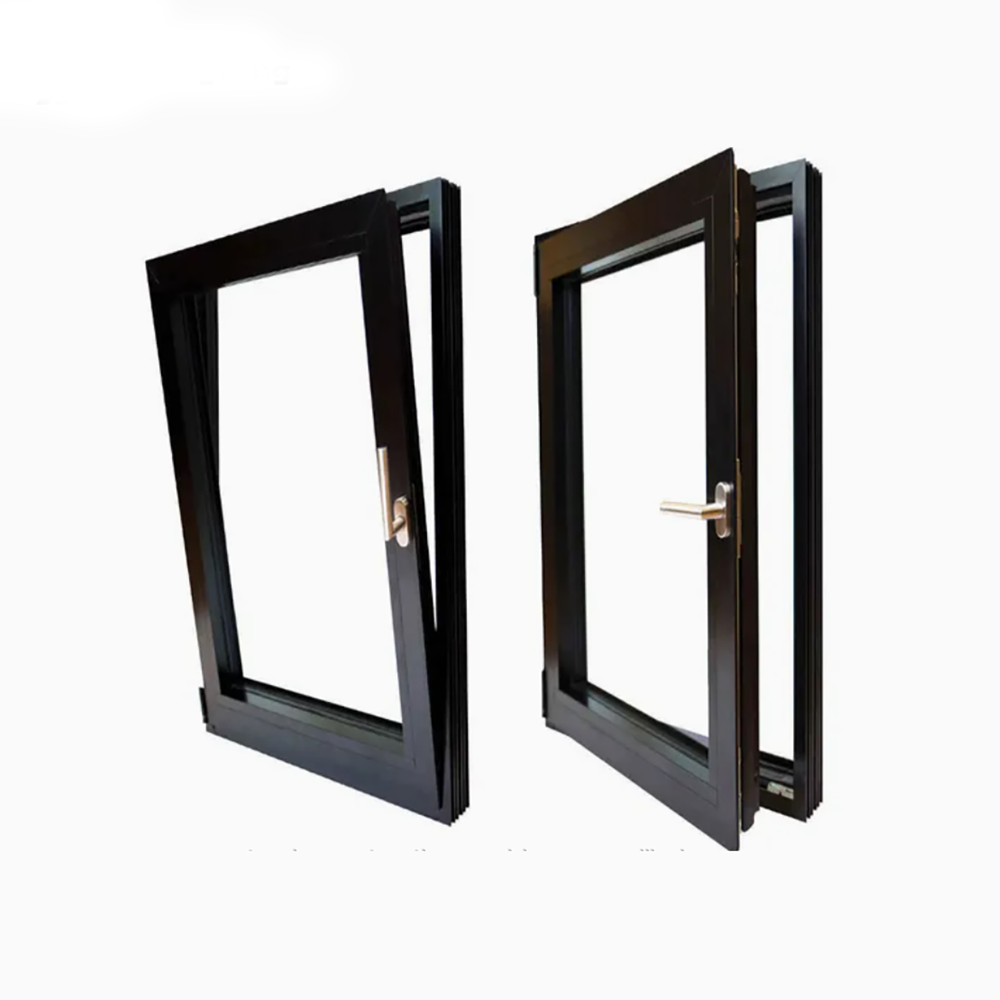
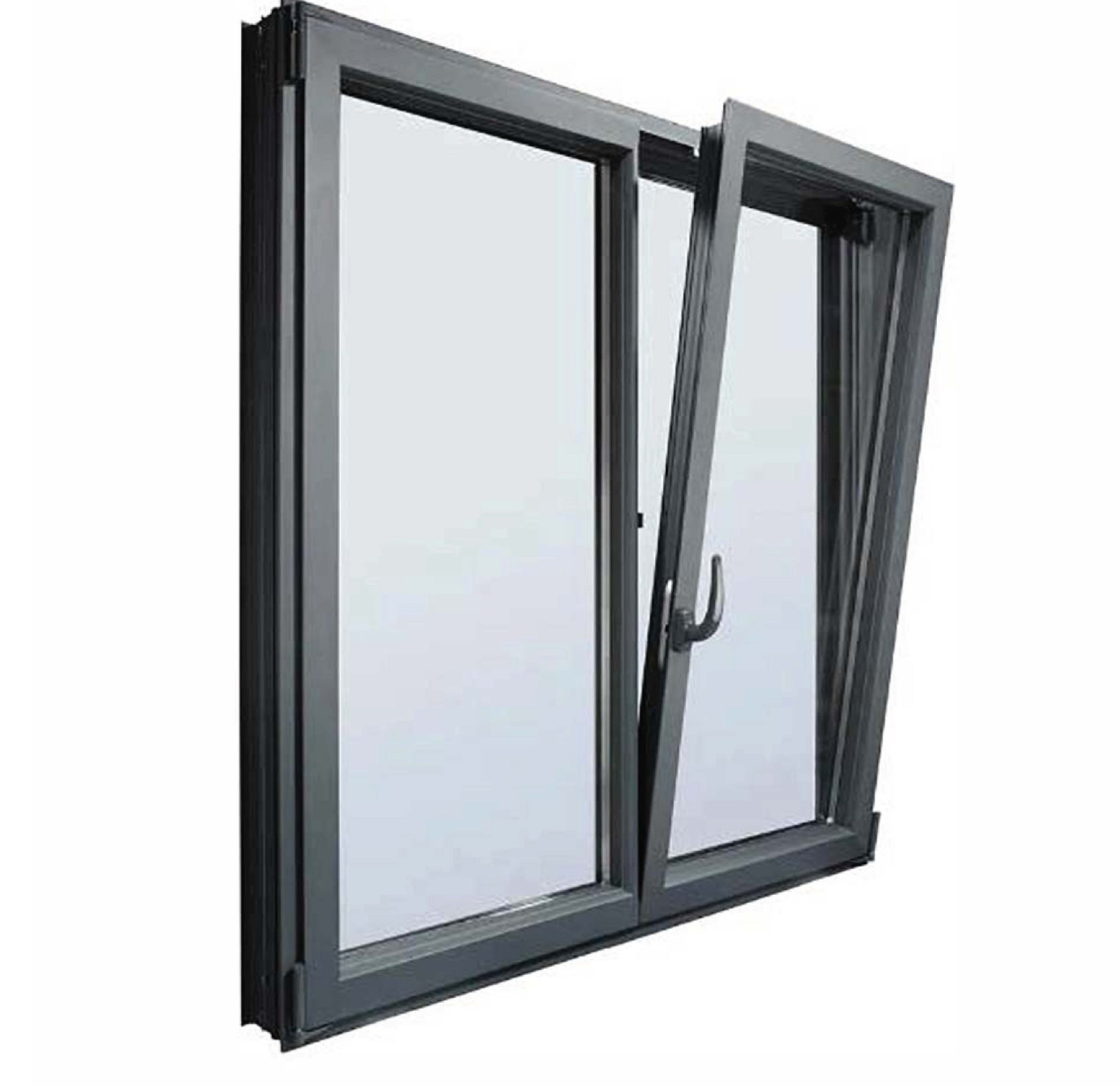
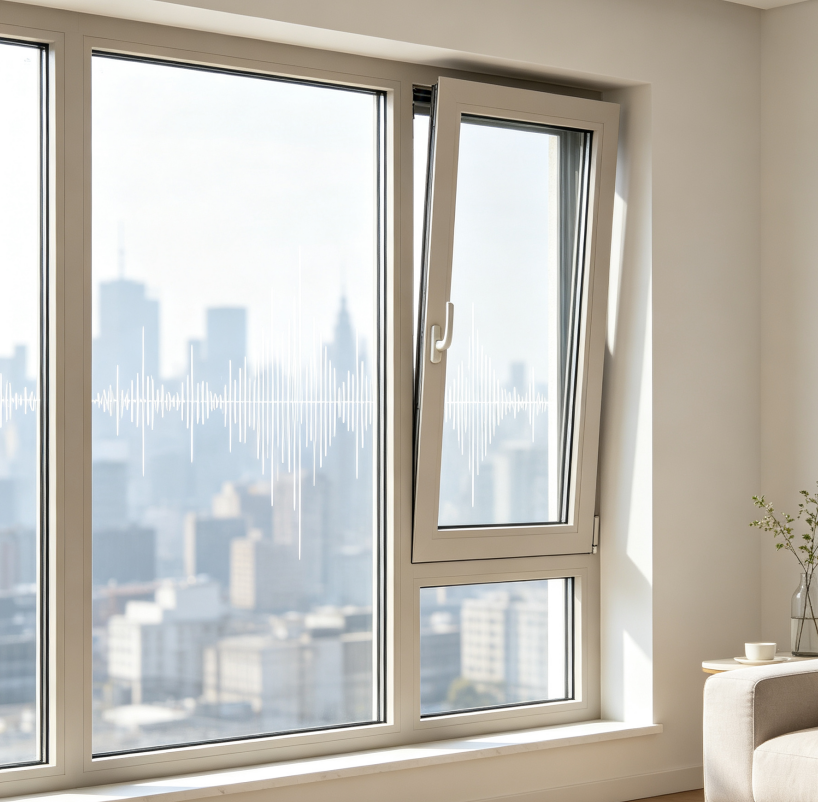
Designed for projects where comfort, durability and adaptable ventilation matter, this advanced composite window system combines two practical opening modes in one refined unit. Turn the handle to open the sash inward for convenient cleaning, unobstructed airflow and everyday access. Set the handle to the tilt position to create a controlled top opening that brings fresh air indoors while helping maintain privacy and improving security compared with a fully open sash.
The system is manufactured with pultruded Fiberglass-Reinforced Polyurethane profiles, also known as FRPU or GFRPU. Unlike conventional metal-reinforced window frames, these profiles do not require steel reinforcement. This structural approach helps avoid metal thermal bridges within the frame and supports a more consistent insulating envelope around the opening. It is a practical choice for building teams seeking a long-service-life window solution without compromising the clean appearance expected in modern residential and commercial architecture.
Why the Composite Profile Makes a Difference
Window performance is not determined by glass alone. The frame, sash, sealing design and installation quality all influence the comfort experienced inside a building. Pultruded GFRPU profiles offer ultra-low thermal conductivity without a metal thermal bridge, helping reduce heat transfer through the frame. When paired with an appropriate glazing configuration, the system can support energy-conscious building designs in climates that require heating, cooling or both.
The material also has a thermal-expansion coefficient similar to that of concrete walls. This compatibility can help minimize deformation associated with seasonal temperature changes, an important consideration for projects using concrete or masonry construction. The result is a stable framing solution designed to remain dependable through changing weather conditions and long operating cycles.
- Low thermal conductivity for improved frame insulation.
- No steel reinforcement required within the FRPU profile structure.
- Lightweight construction combined with high strength.
- Resistance to corrosion, salt spray and UV ageing.
- Thermal movement characteristics compatible with concrete wall systems.
- Two opening functions for daily ventilation and convenient inward access.
A Window Operation Designed for Real Buildings
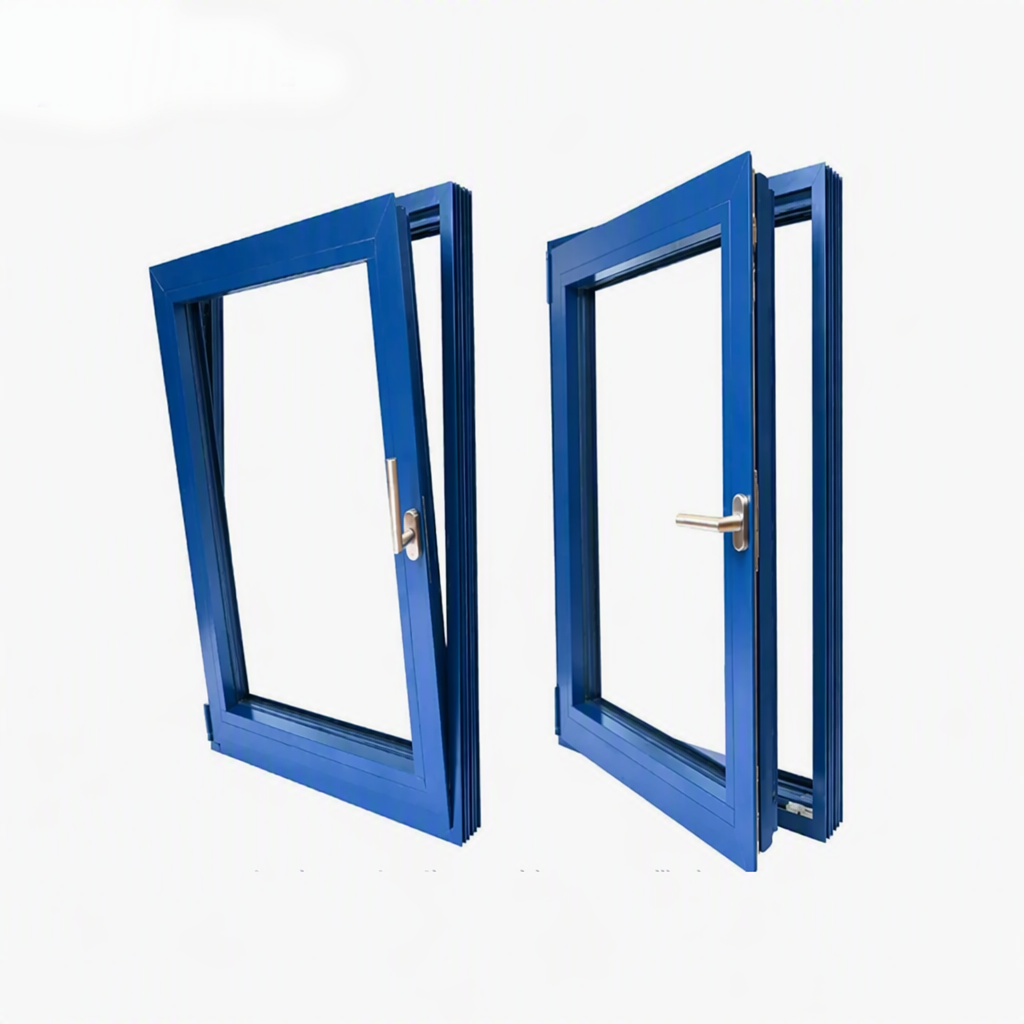
Tilt-and-turn operation offers a useful answer to a common design challenge: occupants want ventilation, but they do not always want a wide-open window. The tilt setting provides a smaller opening at the top of the sash, making it suitable for routine air exchange in bedrooms, living areas, offices, hospitality spaces and other occupied rooms. The turn setting allows the sash to swing inward, giving users a larger opening when needed and making the exterior glass easier to reach for cleaning from inside the building.
- Closed position: The sash seats against the frame for everyday weather separation and interior comfort.
- Tilt position: The top section opens inward to support controlled ventilation.
- Turn position: The sash opens inward on its side hinges for maximum ventilation, access and cleaning convenience.
For property owners and facility managers, this dual-function design can simplify use across different seasons. It enables a gentle ventilation option during mild weather while retaining the ability to air out a room quickly when required. For architects and contractors, it provides an adaptable opening style that works well in both compact rooms and larger glazed elevations.
Built for Challenging Environments
Coastal air, industrial exposure and strong sunlight can shorten the service life of conventional window materials. The GFRPU profile technology used in this system is selected for its salt-spray resistance, corrosion resistance and UV-ageing resistance. These material advantages make the window particularly relevant for coastal homes, seaside resorts, chemical plant facilities, villas, homestays and commercial developments where environmental exposure deserves careful attention.
Its strength-to-weight balance is equally valuable during fabrication, transportation and installation. A lighter frame can support efficient site handling, while the inherent strength of the pultruded composite profile contributes to a robust finished window assembly. Final performance remains dependent on the selected glass, hardware, sealing configuration, dimensions, installation method and local project requirements; these elements should always be specified as part of the complete building-envelope design.
Suitable Applications
- Passive-house-oriented and energy-saving residential projects.
- Private villas, apartments and homestay developments.
- Hotels, offices, retail spaces and other commercial buildings.
- Coastal construction exposed to salt-laden air.
- Industrial and chemical-area buildings requiring corrosion-resistant materials.
- Renovation projects seeking modern ventilation functionality and durable framing.
Customised for Your Project Requirements
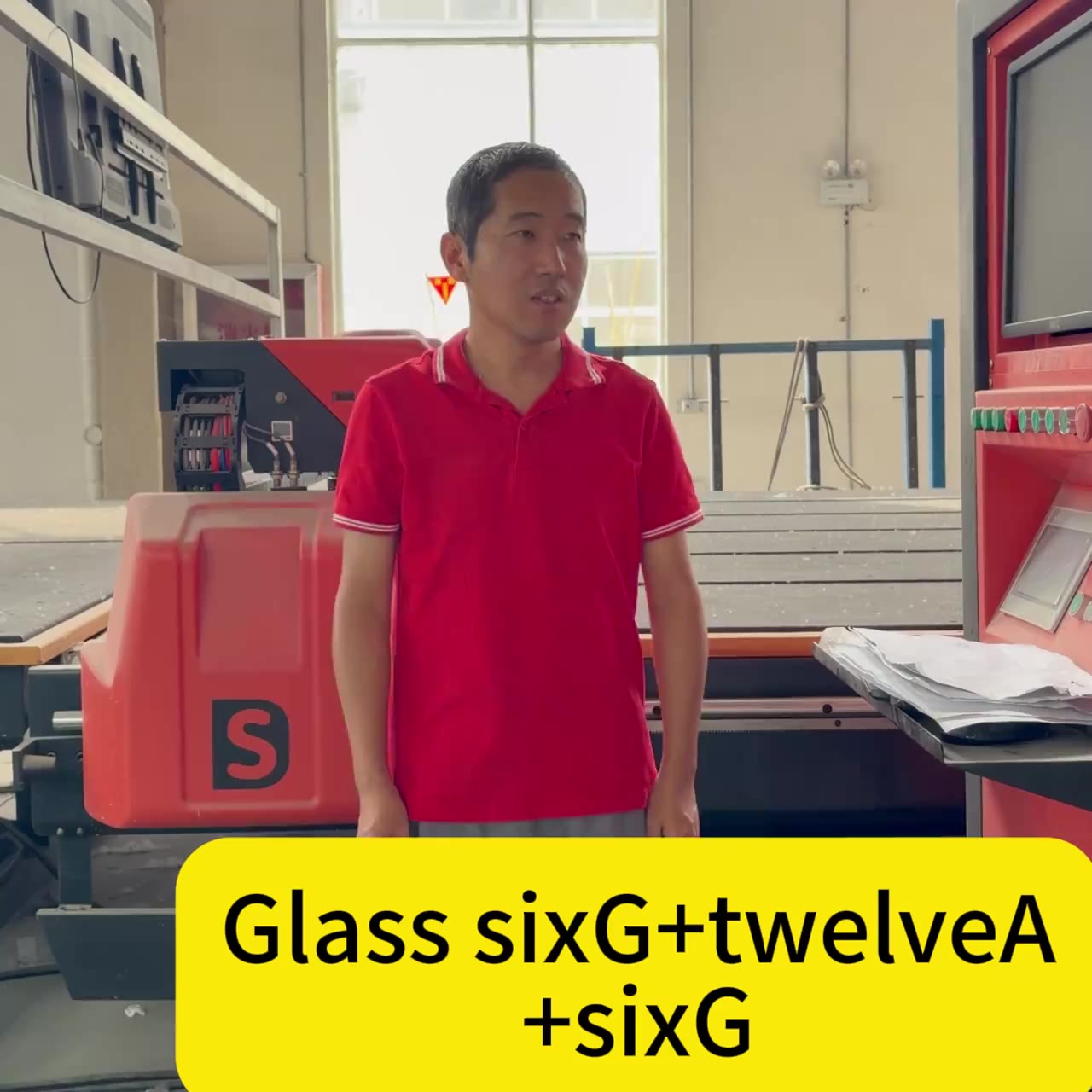
Every project has different architectural, climate and market requirements. Custom profile moulding, window dimensions, surface colours and glazing solutions are available to support project-specific designs. Glass options can include insulated glass, Low-E glass and laminated tempered glass, allowing project teams to select a configuration aligned with comfort expectations, safety considerations and energy targets.
This flexibility is especially useful for window distributors, developers, contractors and brands that need more than a standard catalogue item. From profile development through finished-window production, the manufacturer provides one-stop OEM and ODM support for international customers. Full-range quality control is implemented throughout production to help maintain consistency from raw profile manufacturing to completed window delivery.
A Practical Choice for Long-Term Value
A GFRPU Tilt-and-Turn Window brings together energy-efficient framing, versatile operation and material resilience in one system. It is suited to decision-makers who want a window that responds to daily occupant needs while addressing the realities of harsh climates and long-term building maintenance. With globally exportable OEM and ODM capabilities, it offers a dependable platform for projects across North America, Europe, Southeast Asia, Oceania and other international markets.
For best results, work with the project team to confirm opening direction, overall dimensions, glazing build-up, colour, hardware requirements and installation details before production. This ensures the finished window is configured for the building, the climate and the people who will use it every day.
FRP (Fiber-Reinforced Plastic) windows are made by using glass fibers and resin-based materials that are formed through pultrusion; no steel reinforcement is required. They can be designed as sliding windows, windows that open inward, push-open windows, and lift-and-slide doors. These represent a high-performance new type of window and door system suitable for buildings with ultra-low energy consumption, passive houses, areas with extreme cold conditions, and high-rise buildings.
Related Suggestion
FORM