FRPU
window
Pultruded FRP fiberglass window with polyurethane resin matrix. No steel liner, excellent thermal insulation, salt‑corrosion & weather resistance. Fit for passive house, coastal and high‑rise projects, customizable casement & sliding styles.。
‹
›
‹
›
Dual-Function Opening for Everyday Practicality
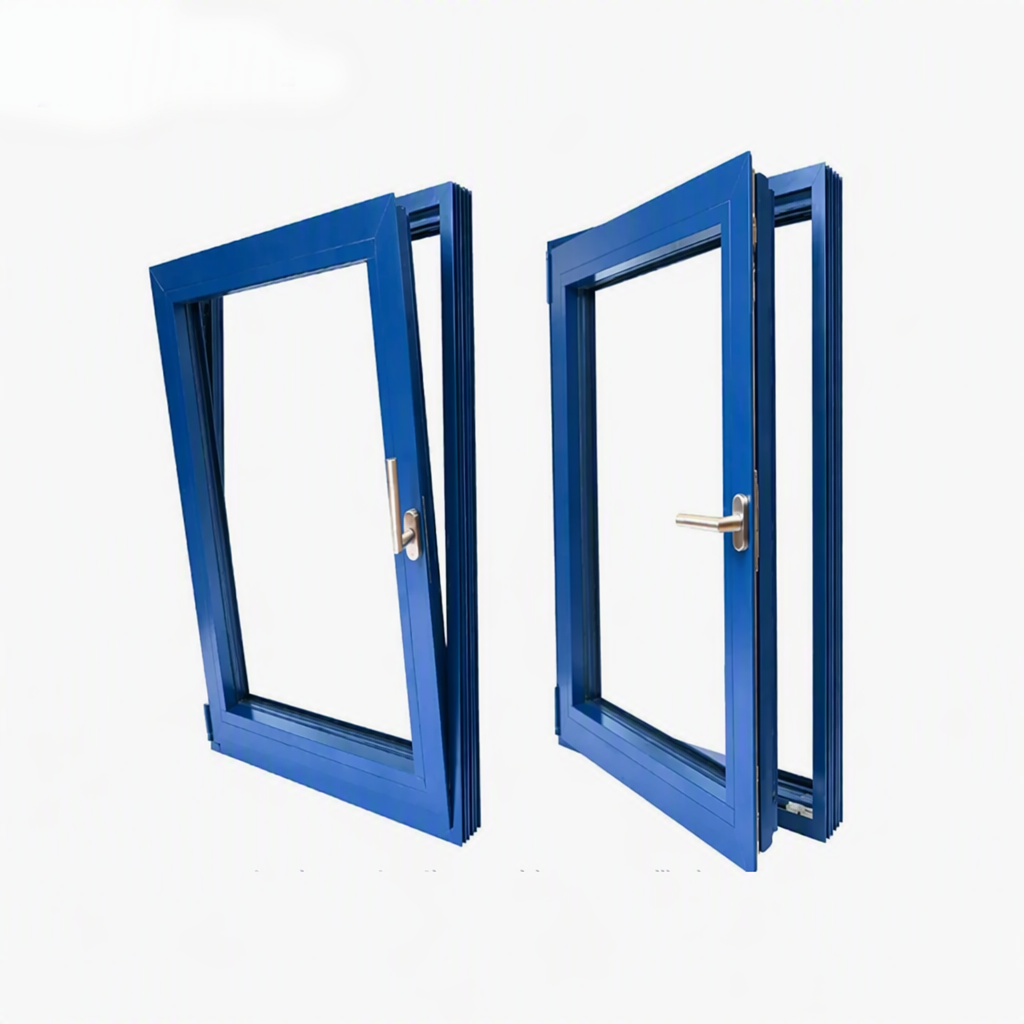
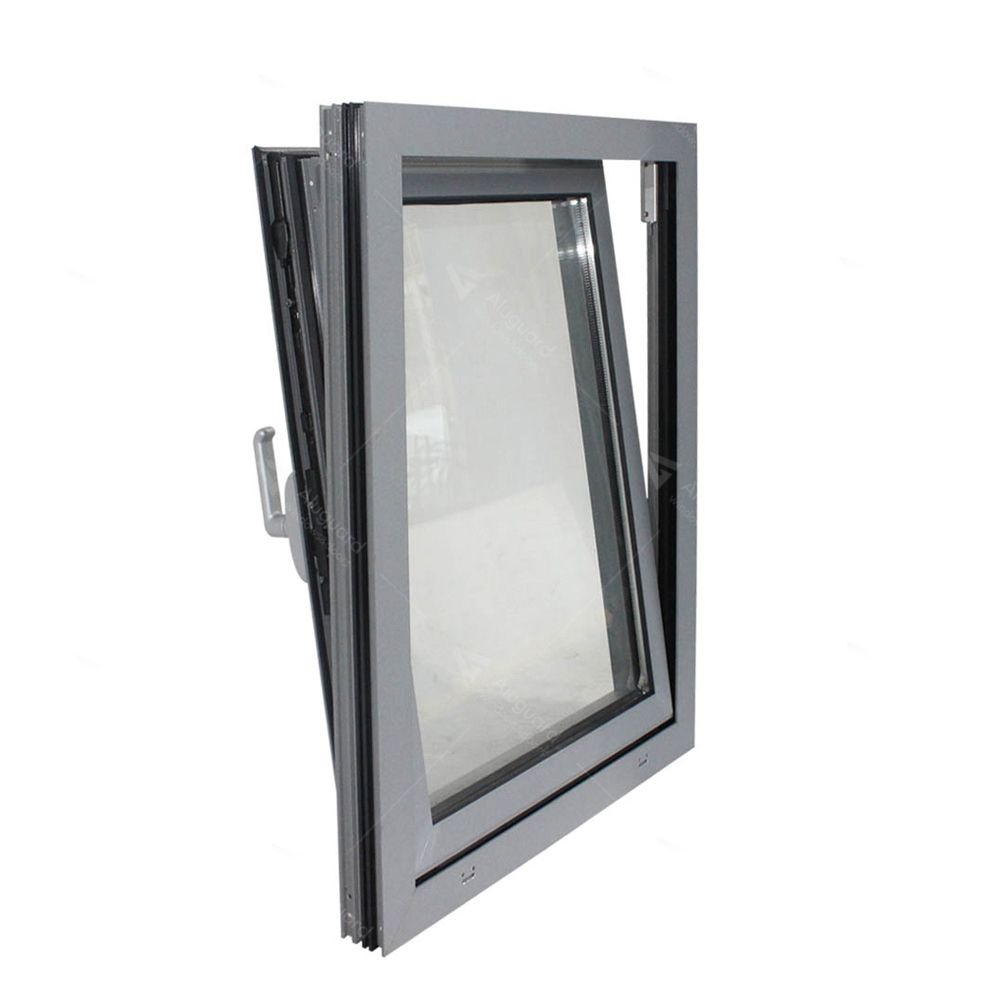
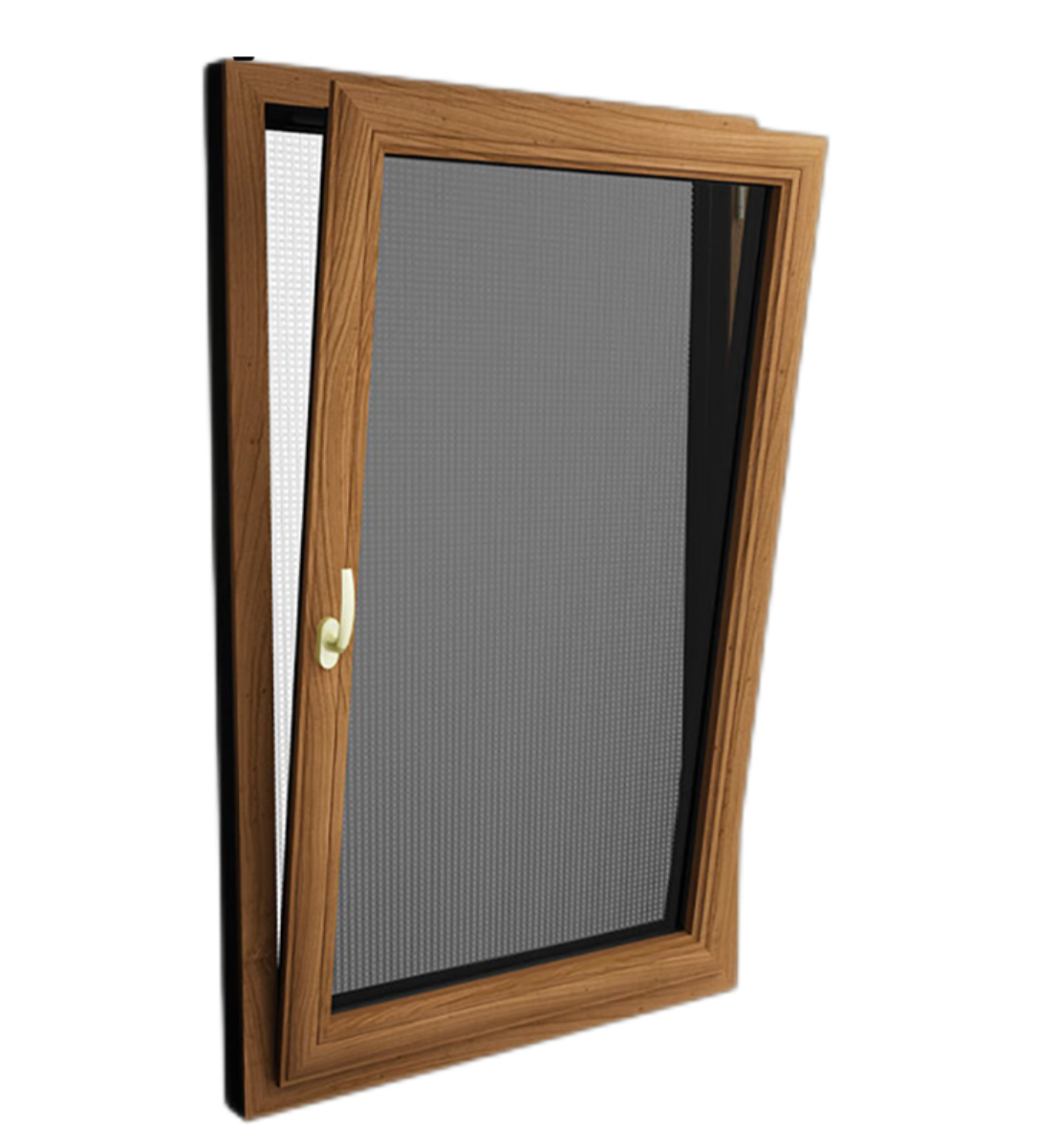
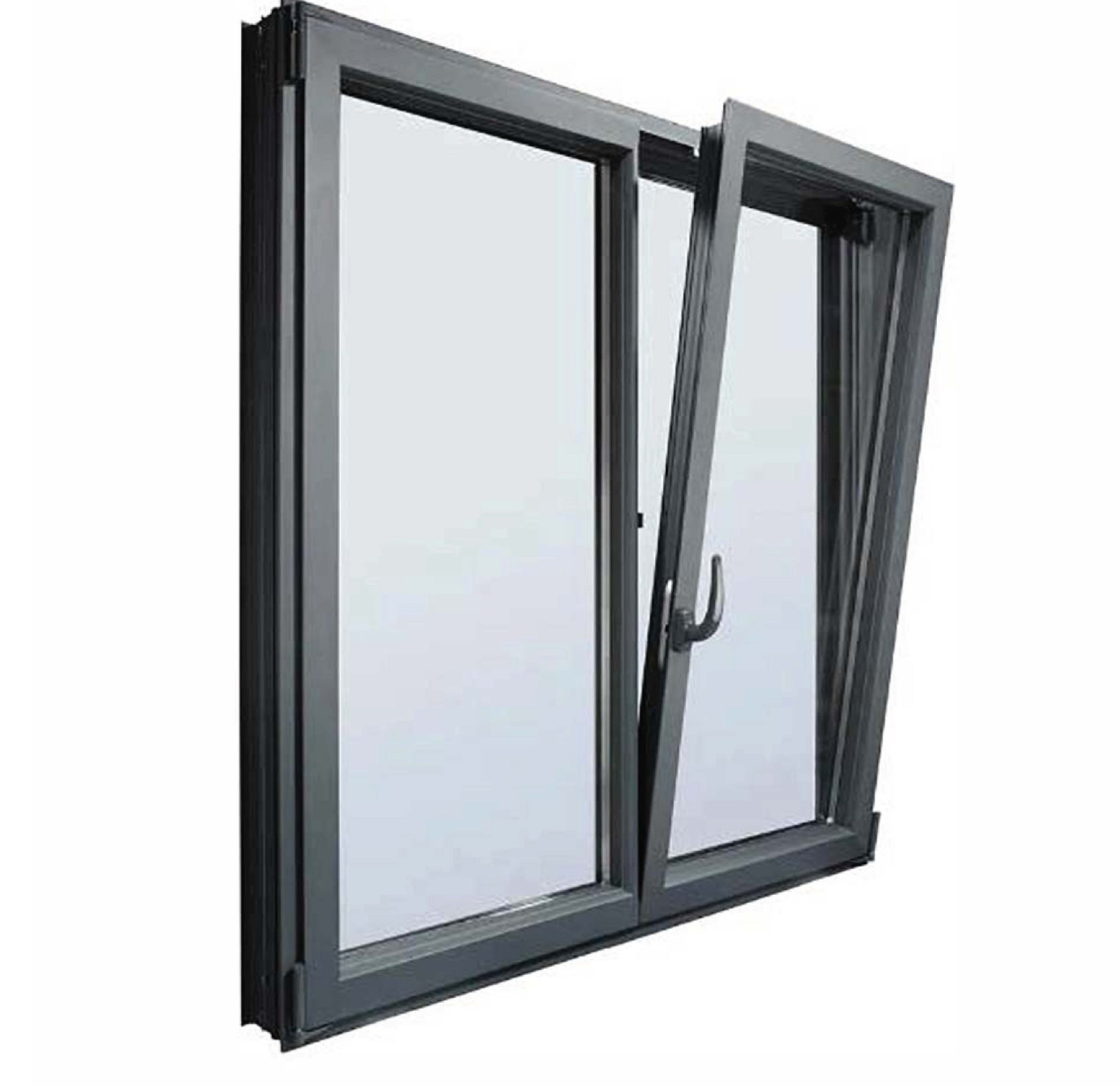
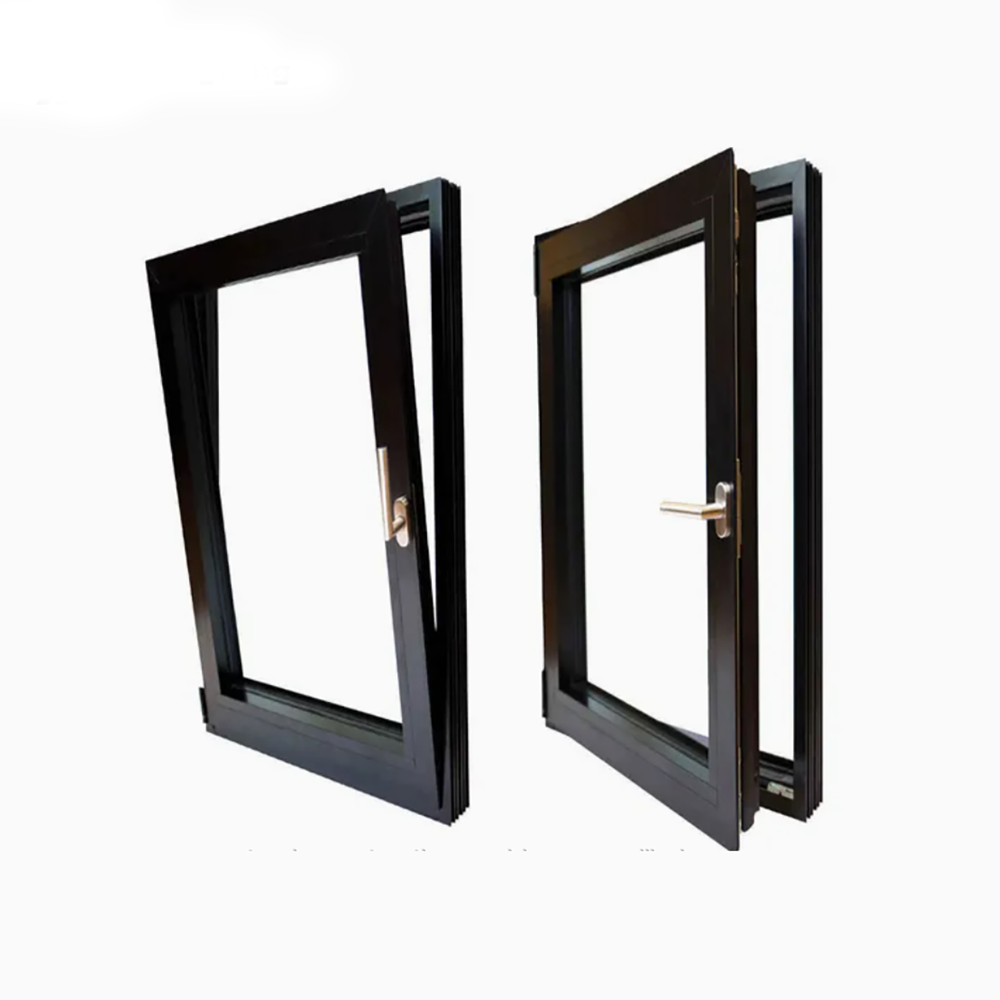
Designed for projects that require flexible ventilation, dependable operation, and easier maintenance, this window system combines two inward-opening functions in one streamlined design. With a single handle, users can switch between a secure tilt-in position for controlled airflow and a full inward swing for maximum opening access. This practical configuration suits modern residential buildings, apartments, hotels, schools, and commercial spaces where comfort, safety, and usability matter every day.
The GFRPU Tilt‑and‑Turn Window is produced from pultruded glass-fiber-reinforced-polyurethane composite profiles. This profile technology is valued in advanced fenestration systems for its structural stability, material consistency, and suitability for demanding building envelopes. In use, the window feels intuitive: one handle controls both functions, reducing complexity while improving convenience for occupants, maintenance teams, and property managers.
How the Two Opening Modes Work
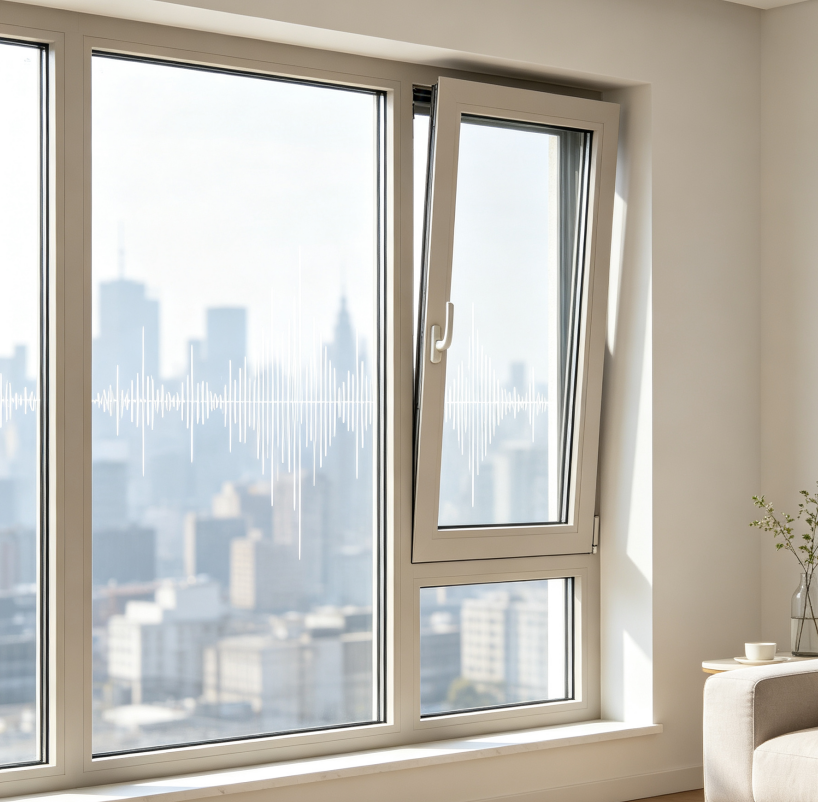
In tilt mode, the upper section of the sash moves inward while the lower edge remains secured. This creates a gentle ventilation gap that supports daily air exchange without exposing the room to the same level of opening as a fully casement-style operation. It is a useful solution for bedrooms, living areas, offices, and classrooms that benefit from a steady supply of fresh air.
This tilt-in position is especially valuable when ventilation is needed over longer periods. Rainwater is kept out more effectively than with a wide-open sash, and the anti-burglar function remains an important advantage when compared with conventional open-window ventilation. For end users, that means greater peace of mind during cooler evenings, transitional weather, or times when buildings need background ventilation without sacrificing a sense of security.
In turn-open mode, the sash swings fully inward. This delivers a much larger opening area, helping rooms air out quickly when stronger ventilation is required. The full inward opening also makes the exterior glass surface accessible from inside the building, which is a major operational benefit in upper-floor applications. For high-rise residences and urban developments, this reduces the challenge and risk associated with exterior glass cleaning.
Key Benefits in Real Building Use
- Two opening options managed by one handle for simpler daily use.
- Secure tilt-in ventilation for controlled airflow during extended use.
- Full inward opening for rapid ventilation and convenient access.
- Indoor cleaning of the outer glass surface, particularly useful in high-rise buildings.
- Composite profile construction suited to projects seeking durable, modern window solutions.
Why This Design Appeals to Architects and Developers
Architects and specifiers often look for window systems that improve occupant comfort without creating operational complications. This type of inward-opening design supports that goal by combining ventilation flexibility with ease of cleaning and day-to-day control. It works well in buildings where façade access is limited, where natural ventilation strategies are part of the design brief, or where residents expect a more refined user experience than a basic side-hung window can provide.
For developers and contractors, the value is equally clear. A well-designed tilt-and-turn format addresses several common concerns at once: ventilation, security-conscious airing, interior cleaning access, and straightforward operation. These are not abstract selling points; they directly affect resident satisfaction, maintenance routines, and the long-term practicality of the installed window package.
Suitable Applications
- High-rise apartments: safer cleaning access from indoors and adaptable ventilation.
- Private homes: comfortable airflow control for bedrooms, kitchens, and living spaces.
- Hotels and serviced residences: user-friendly operation for guests and maintenance staff.
- Schools and offices: practical fresh-air management without fully exposing the room.
- Urban buildings: a sensible option where secure ventilation is a priority.
Who Benefits Most
This product is especially relevant for property owners, façade consultants, window fabricators, and project teams looking for a more versatile inward-opening system. End users benefit from easier ventilation control and safer cleaning. Building managers appreciate the practical maintenance advantages. Designers value a format that aligns with contemporary performance expectations while remaining familiar and intuitive in everyday use.
The GFRPU Tilt‑and‑Turn Window is also a strong fit for projects where the window must do more than simply open and close. In many buildings, windows influence comfort, perceived safety, operational costs, and the overall quality of occupancy. A system that offers both secure background ventilation and full opening access helps meet those needs in a balanced, user-centered way.
A Practical Choice for Modern Building Envelopes
Choosing the right window system often comes down to how well it performs in daily life, not just how it appears on a drawing. This solution stands out because its benefits are immediately understandable to occupants and facility teams alike. The tilt function supports comfortable long-duration ventilation. The turn function provides broad access for fresh air and indoor cleaning. The single-handle operation keeps the experience simple and reliable.
For projects seeking a refined composite window option with practical advantages in ventilation, safety-minded use, and maintenance access, the GFRPU Tilt‑and‑Turn Window offers a well-considered answer grounded in real building needs.
FRP (Fiber-Reinforced Plastic) windows are made by using glass fibers and resin-based materials that are formed through pultrusion; no steel reinforcement is required. They can be designed as sliding windows, windows that open inward, push-open windows, and lift-and-slide doors. These represent a high-performance new type of window and door system suitable for buildings with ultra-low energy consumption, passive houses, areas with extreme cold conditions, and high-rise buildings.
Related Suggestion
FORM