FRPU
window
Pultruded FRP fiberglass window with polyurethane resin matrix. No steel liner, excellent thermal insulation, salt‑corrosion & weather resistance. Fit for passive house, coastal and high‑rise projects, customizable casement & sliding styles.。
‹
›
‹
›
Professional Dual-Action Window Solution for Energy-Efficient Buildings
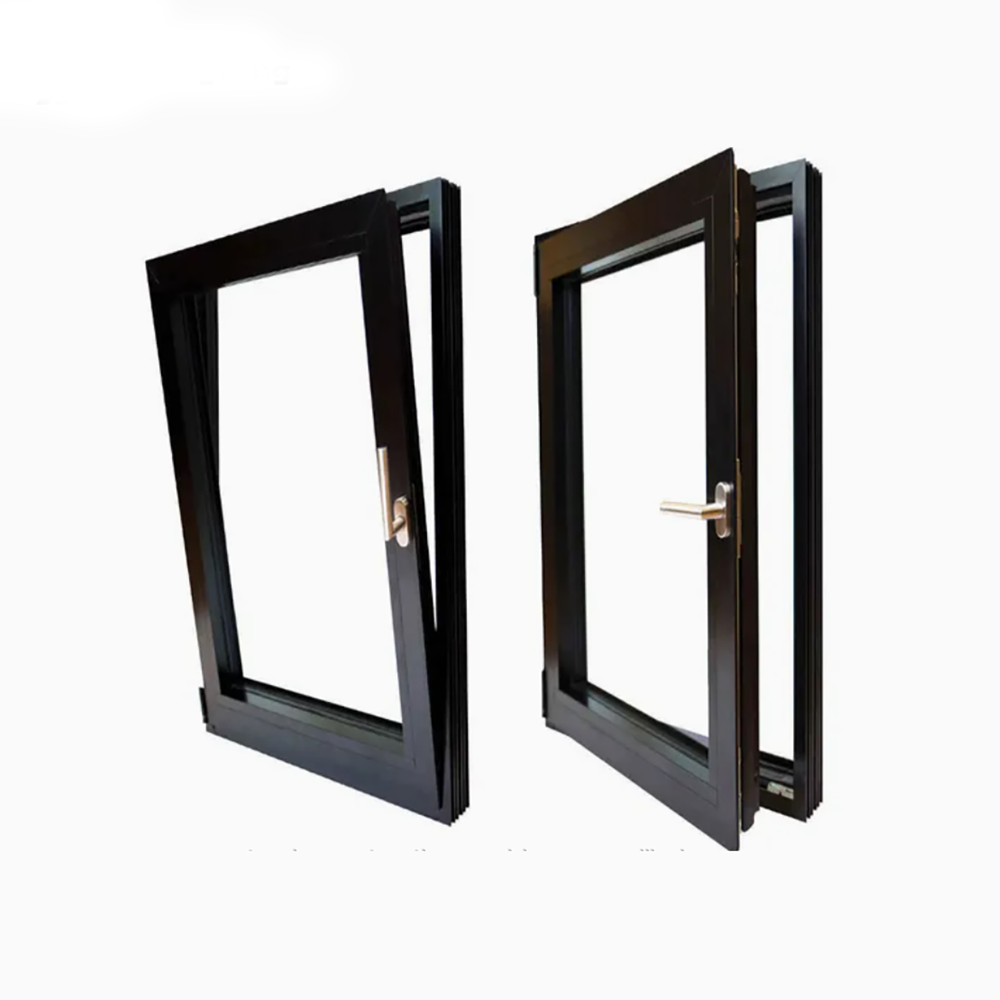
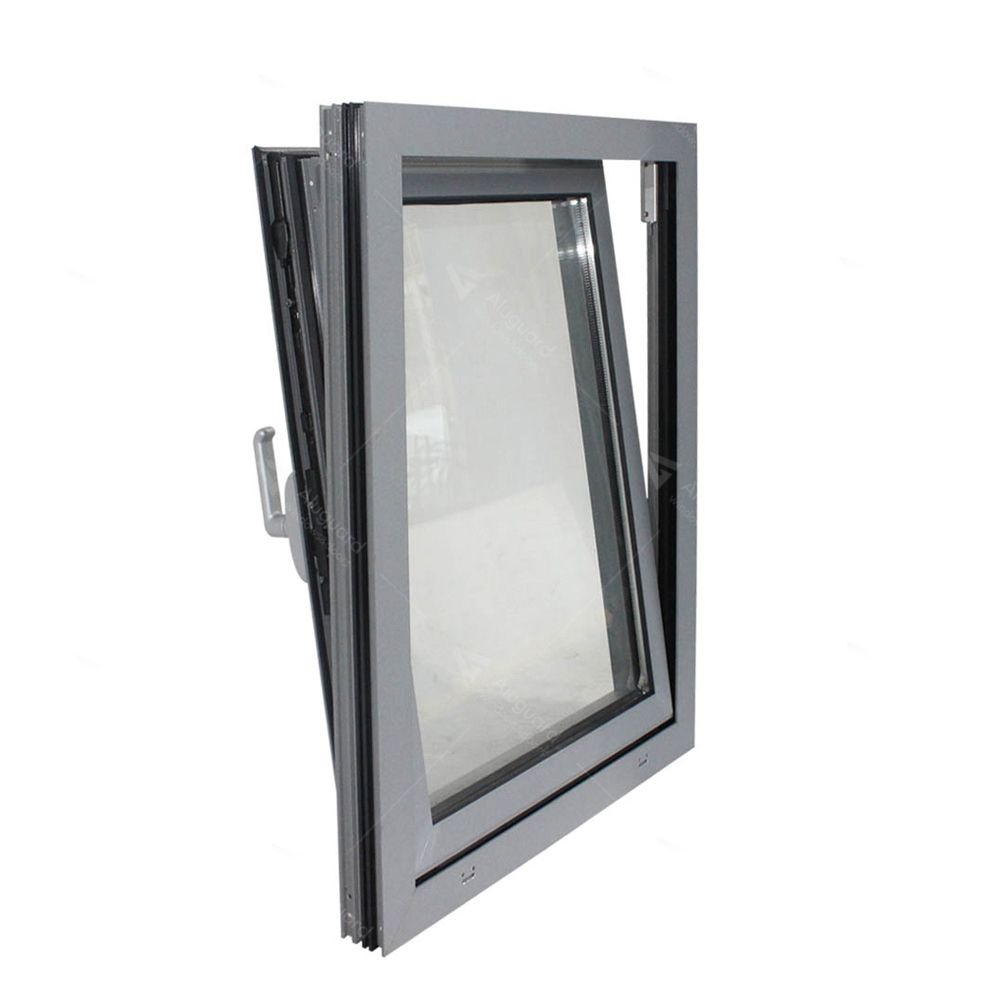
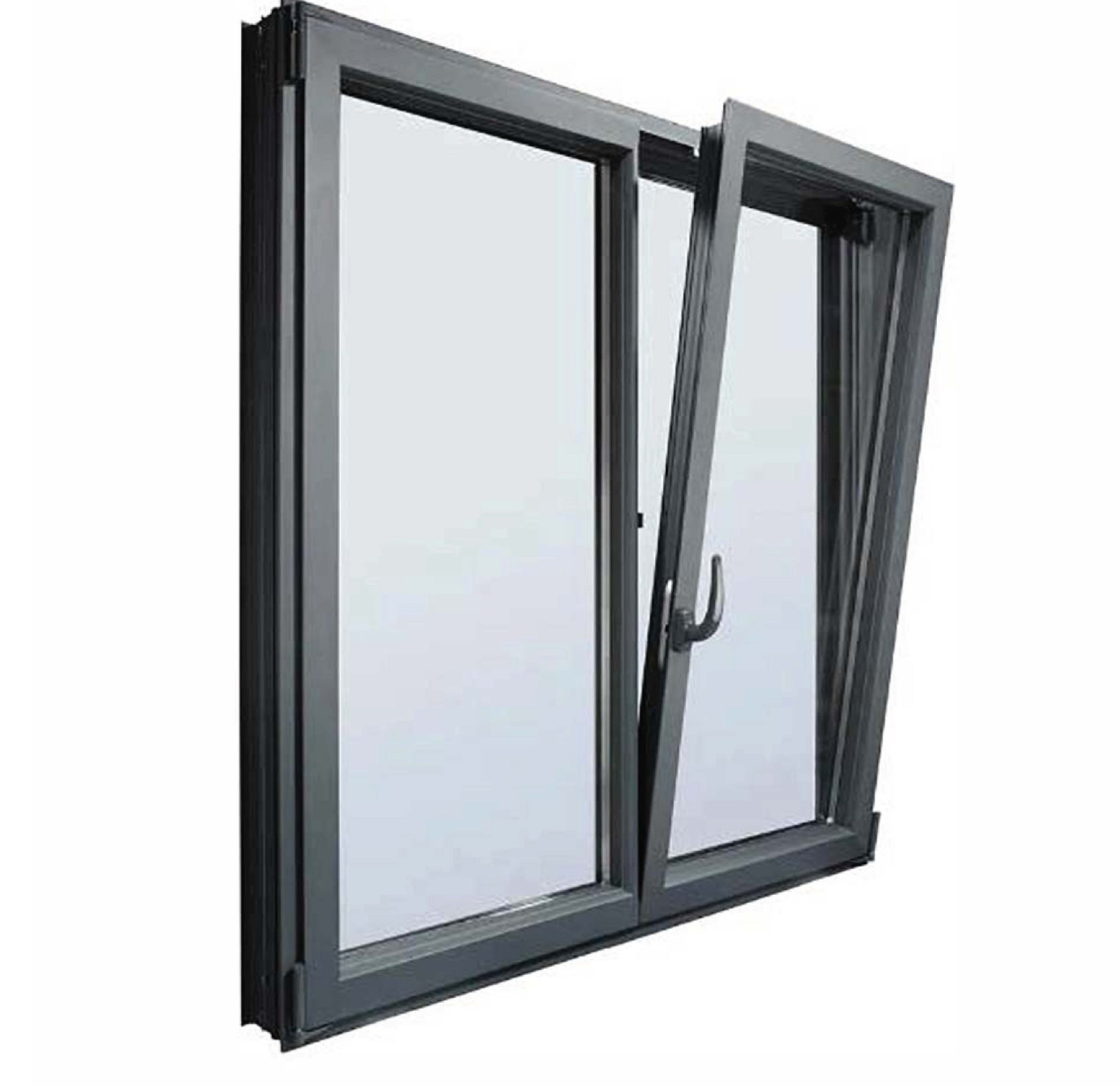
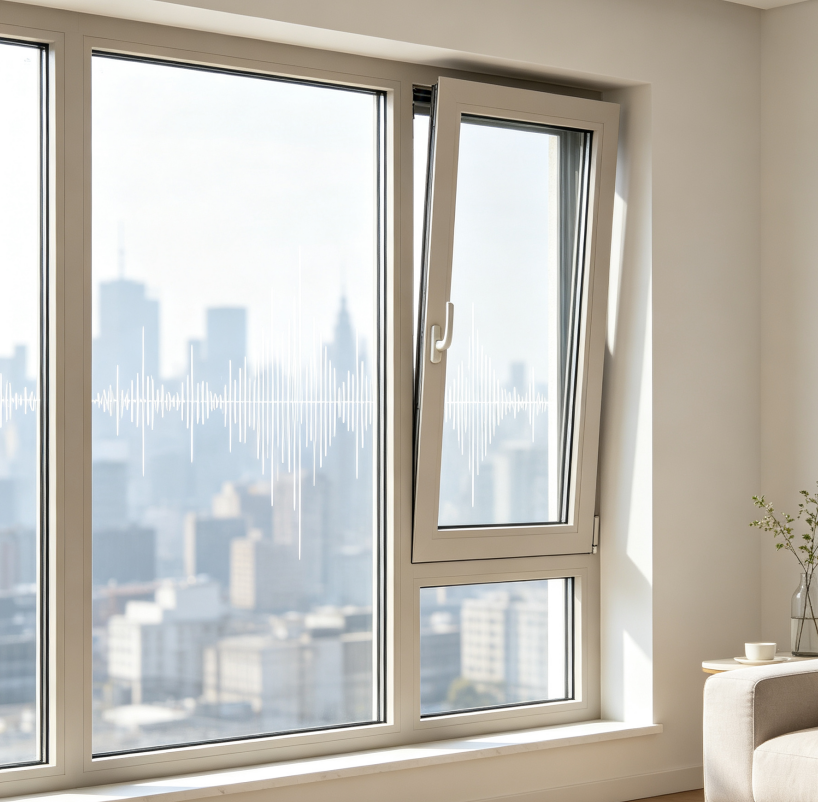
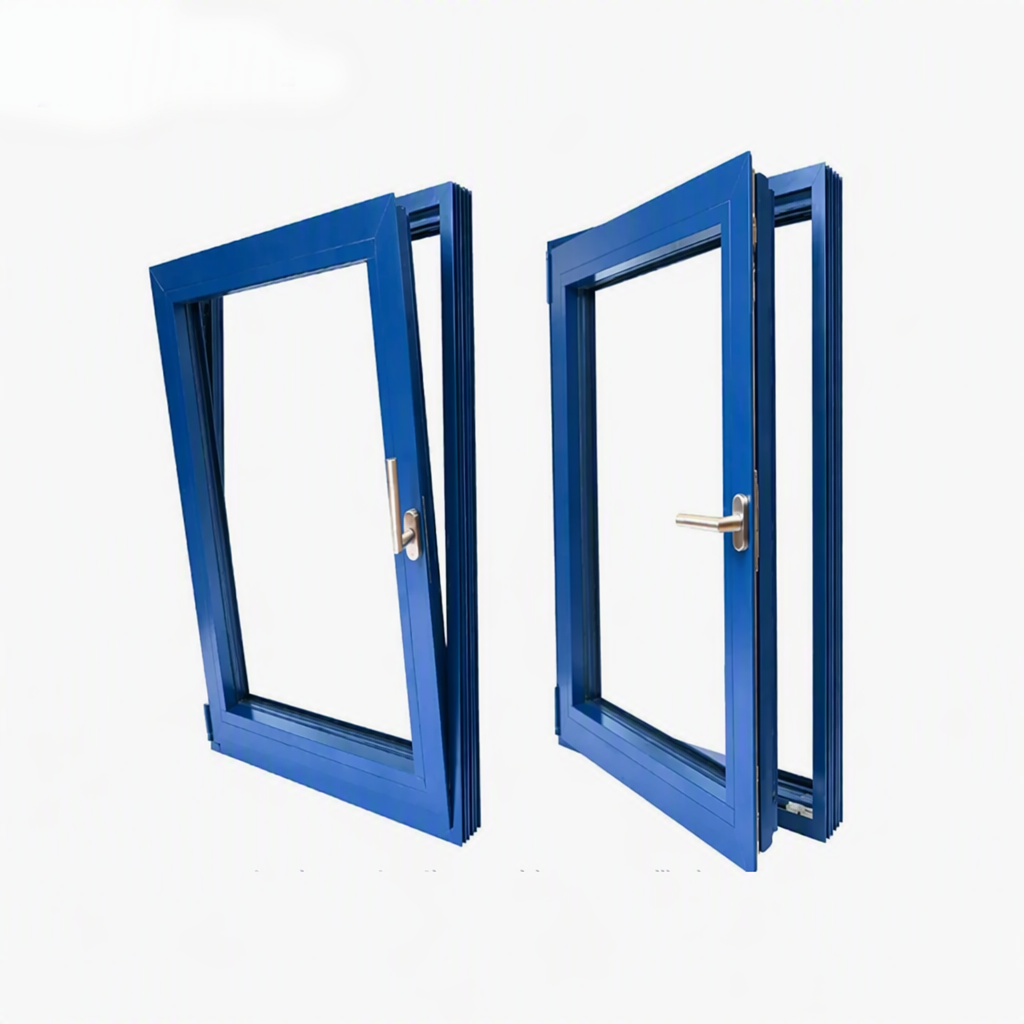
Designed for projects that require flexible ventilation, dependable insulation, and lasting material stability, this window system provides two practical opening options in one refined unit. The sash can tilt inward from the top to support controlled daily airflow, or open inward from the side when wider access, cleaning, or more intensive ventilation is needed. This combination makes the system a considered choice for homeowners, architects, contractors, and window distributors seeking a versatile solution for modern building envelopes.
The GFRPU Tilt-and-Turn Window is manufactured with pultruded fiberglass-reinforced polyurethane profiles. Unlike conventional metal-reinforced window structures, the profile system does not require steel reinforcement. This construction supports a lighter yet high-strength window frame while avoiding the metal thermal bridge commonly associated with traditional reinforced profiles. It is particularly well suited to projects where thermal performance and long-term environmental resistance are central selection criteria.
Flexible Opening for Everyday Comfort
A dual-action opening design provides meaningful value in daily use. The tilt position is appropriate when occupants want fresh air without fully opening the sash, such as during mild weather, in bedrooms, living spaces, hospitality rooms, or office environments. The side-opening position allows broader ventilation and convenient access to the exterior surface of the glass where inward opening is practical. This operating flexibility helps building users adapt the window to changing weather conditions, room use, and ventilation preferences.
- Top tilt opening for controlled inward ventilation.
- Side opening for wider airflow and practical cleaning access.
- Suitable for residential, hospitality, villa, and commercial applications.
- Designed as a complete window system rather than a profile-only solution.
FRPU Profile Advantages
The performance of a window begins with its frame material. Pultruded FRPU profiles offer ultra-low thermal conductivity without a metal thermal bridge, helping reduce unwanted heat transfer through the frame. This supports the design of energy-saving window assemblies for projects where indoor comfort and thermal insulation are important. The material also has a thermal-expansion coefficient similar to that of concrete walls, which helps minimize deformation caused by temperature changes between the window frame and surrounding building structure.
In demanding environments, material durability can be as important as insulation. The FRPU profile is resistant to corrosion, salt spray, and UV aging, making it a dependable alternative for locations exposed to coastal air, strong sunlight, humidity, or industrial conditions. Its light weight can also support more efficient handling during fabrication and installation, while its high strength contributes to a robust finished assembly. These characteristics make the system relevant to building projects that expect long service life under variable environmental exposure.
Glazing Configurations for Project Requirements
Window performance is influenced by the relationship between frame, glazing, sealing, and installation. To suit different project requirements, the system can be specified with insulated glass, Low-E glass, or laminated tempered glass. Insulated glass may be selected for thermal and acoustic considerations, while Low-E glass can support energy-conscious façade design. Laminated tempered glass can be considered where the project requires a more specialized glazing solution. Final glazing selection should be based on local building requirements, climate conditions, opening size, and the intended use of the building.
The GFRPU Tilt-and-Turn Window can be customized in dimensions, surface colors, profile moulding, and glazing solutions. This allows distributors, developers, and contractors to align the finished unit with architectural drawings, façade concepts, and regional market preferences. Customization is managed as part of a one-stop OEM and ODM service, supporting clients who require a consistent product approach across different building types or export markets.
Recommended Applications
This system is appropriate for projects where conventional window materials may face limitations related to thermal bridging, corrosion, or long-term weathering. Its combination of insulation potential and material durability makes it relevant for both new construction and renovation work. The inward-opening arrangement should be evaluated against room layout, safety requirements, façade design, and the planned installation position.
- Passive houses and energy-conscious homes: for envelope designs focused on reducing heat transfer.
- Coastal buildings: for environments where salt-spray resistance is a valuable material consideration.
- Villas and homestays: for projects seeking comfortable ventilation and a premium, durable window solution.
- Chemical plants and industrial facilities: for applications requiring corrosion-resistant profile performance.
- Commercial construction: for offices, hospitality developments, and mixed-use projects with customized requirements.
Manufacturing Experience and Quality Control
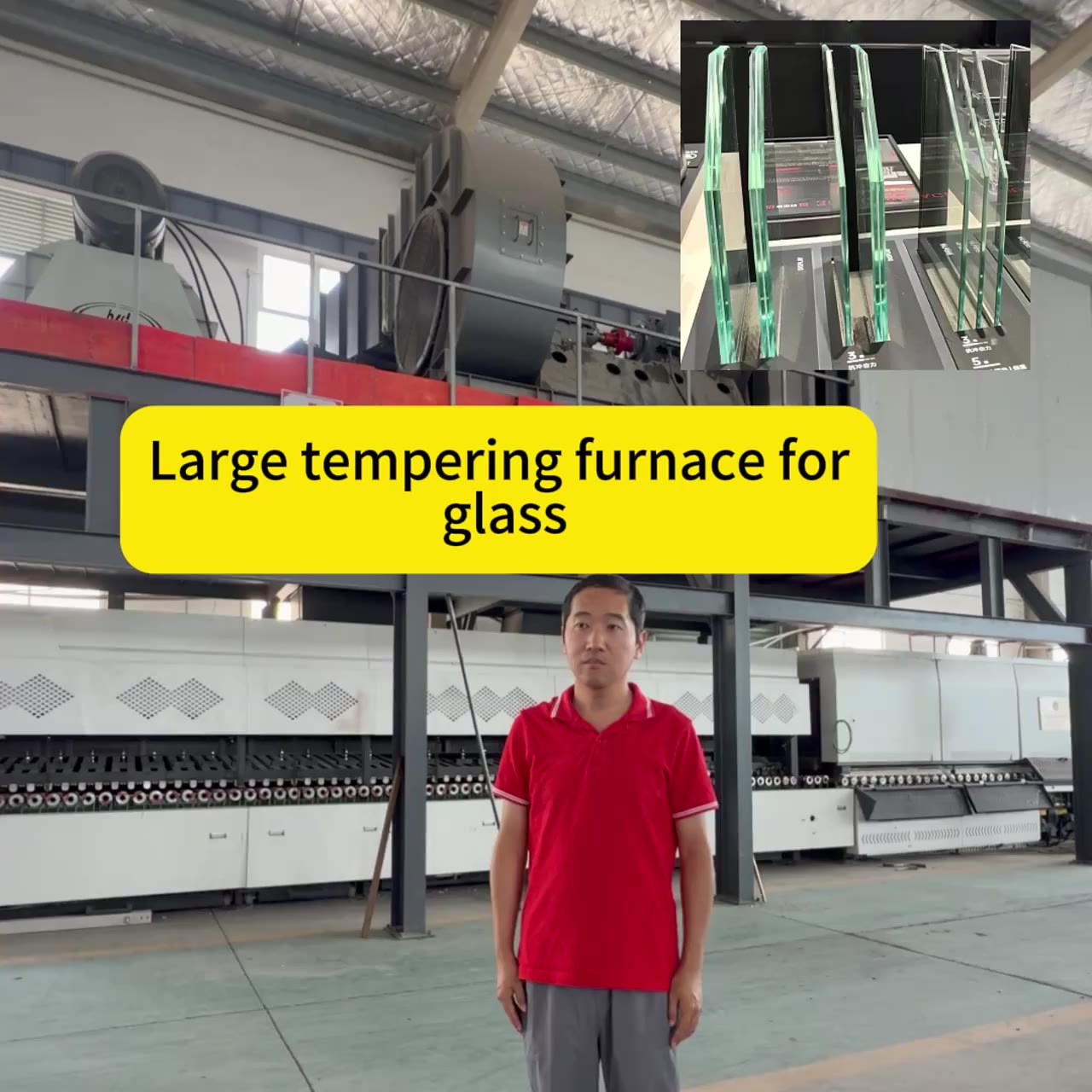
The system is produced by a manufacturer specializing in the research, production, and global export of pultruded fiberglass-reinforced polyurethane profiles and energy-saving windows and doors. Independent production of FRPU profiles provides closer control over the core material used in the finished assembly. Full-range quality control is implemented throughout production to support consistent profile quality, window fabrication, and delivery for international customers.
With export experience across North America, Southeast Asia, Europe, Oceania, and other global markets, the manufacturer understands that window requirements vary by climate, construction method, glazing preference, and local specification. Project discussions can therefore focus on practical details, including opening direction, dimensions, color options, glazing selection, and profile customization. This approach helps distributors and construction partners develop window solutions that are more closely aligned with their end-market needs.
A Considered Choice for Long-Term Building Performance
For buyers looking beyond short-term appearance, the GFRPU Tilt-and-Turn Window offers a balanced combination of functional ventilation, low-thermal-conductivity FRPU framing, corrosion resistance, and customization capability. It is an appropriate option for partners seeking low-carbon, energy-efficient window systems built for demanding architectural environments. By selecting the glazing and configuration according to the project, users can create a window solution that supports comfort, durability, and reliable building-envelope performance over time.
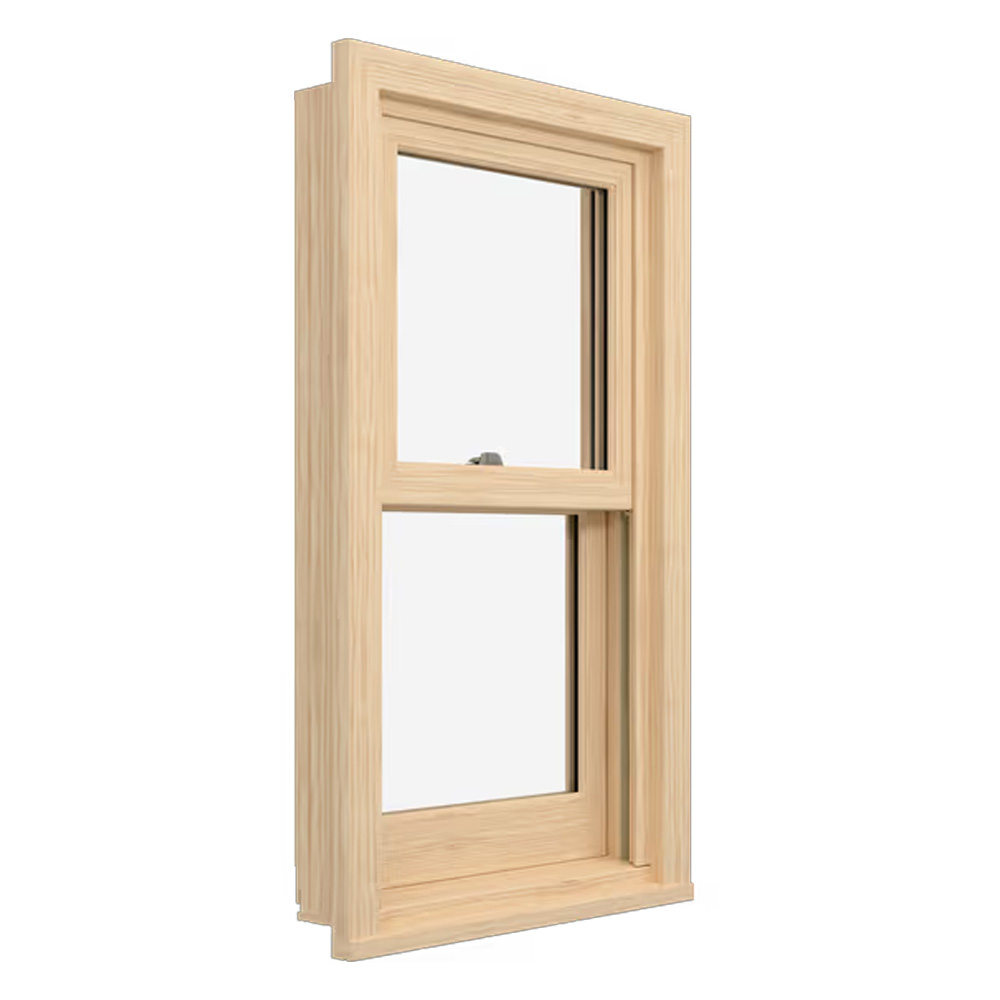
FRP (Fiber-Reinforced Plastic) windows are made by using glass fibers and resin-based materials that are formed through pultrusion; no steel reinforcement is required. They can be designed as sliding windows, windows that open inward, push-open windows, and lift-and-slide doors. These represent a high-performance new type of window and door system suitable for buildings with ultra-low energy consumption, passive houses, areas with extreme cold conditions, and high-rise buildings.
Related Suggestion
FORM