FRPU
window
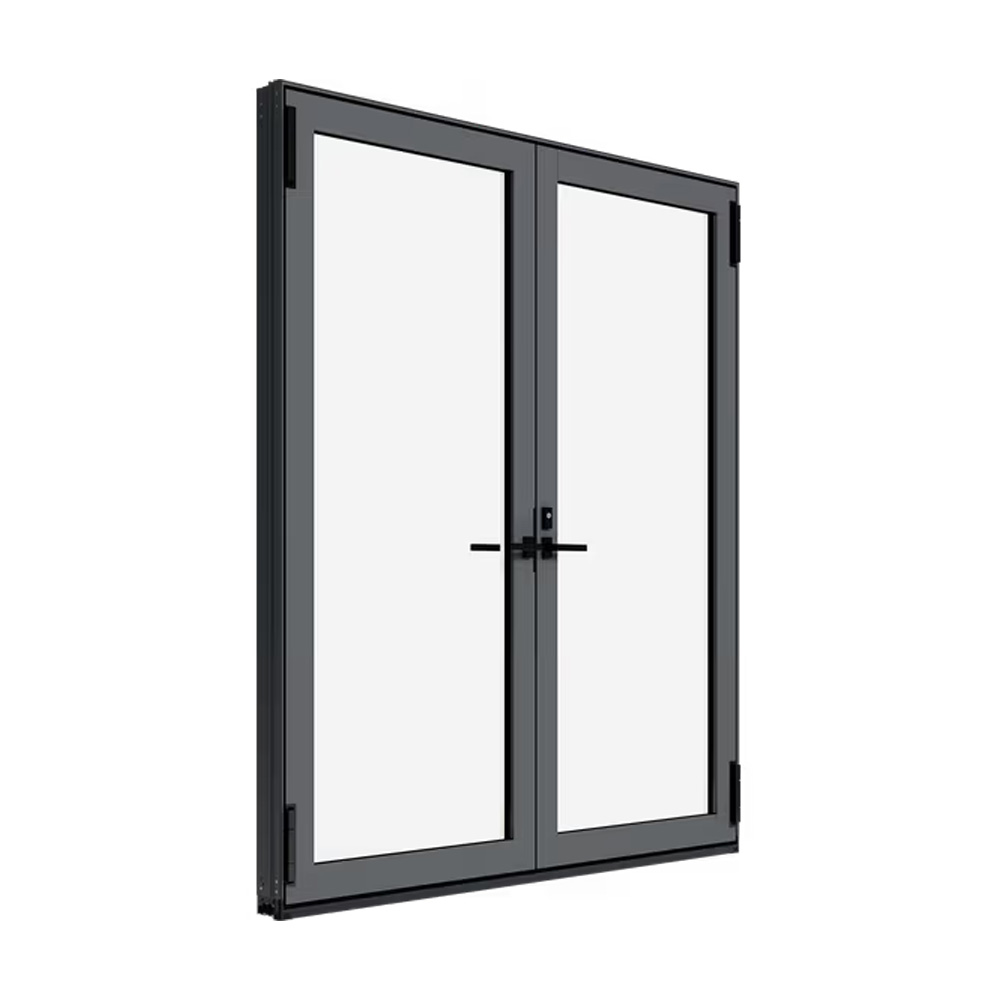
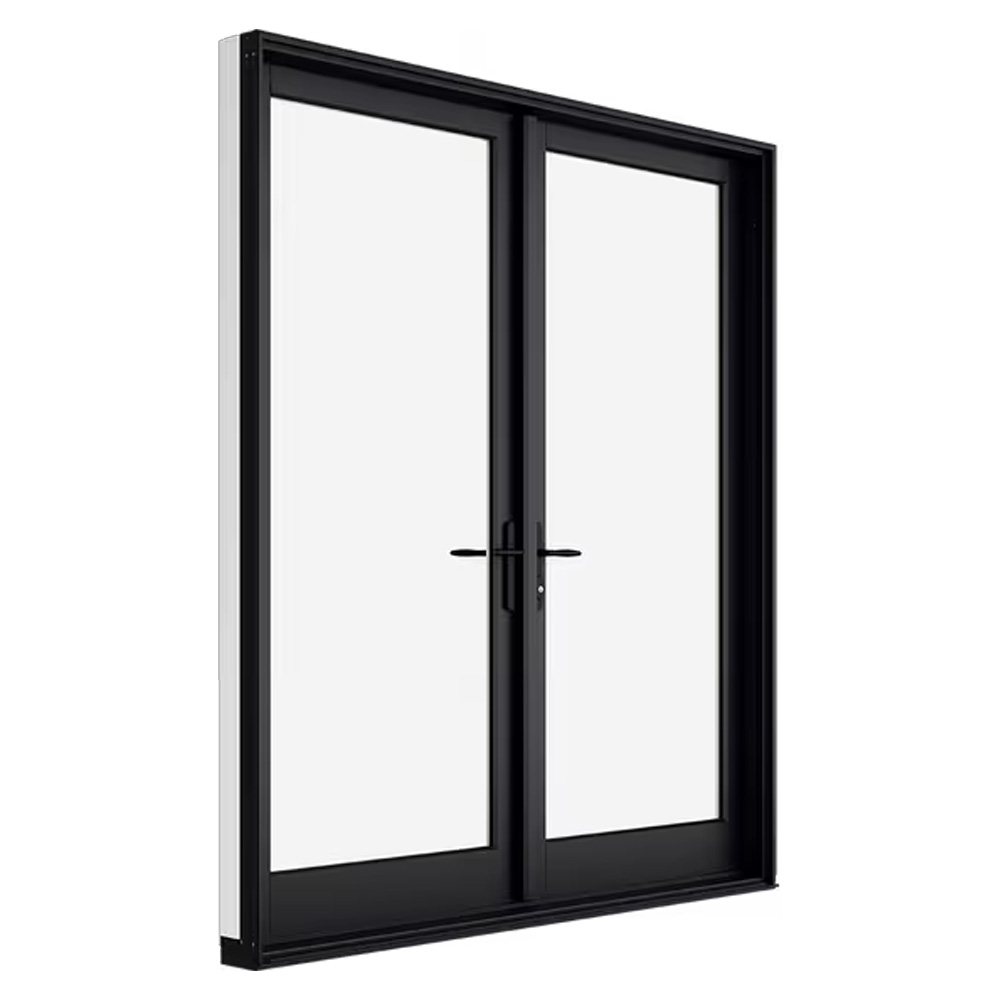
Pultruded FRP fiberglass window with polyurethane resin matrix. No steel liner, excellent thermal insulation, salt‑corrosion & weather resistance. Fit for passive house, coastal and high‑rise projects, customizable casement & sliding styles.。
‹
›
‹
›
Product Details
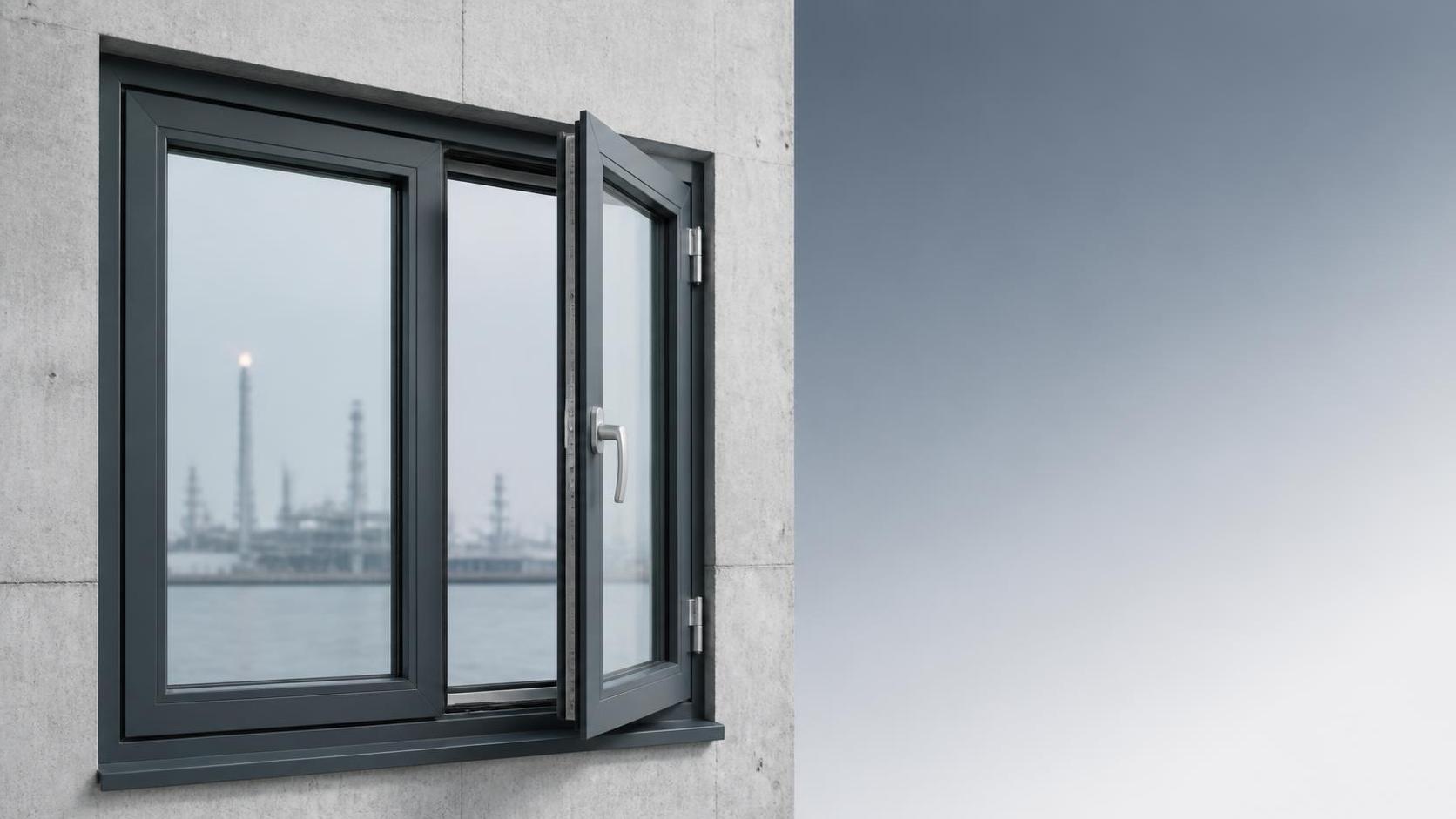
Designed for demanding residential and coastal building envelopes, this outward-opening casement window combines pultruded fiberglass-reinforced polyurethane construction with practical opening performance and long-term weather resistance. It is developed for villa owners, architects, contractors and window distributors seeking a high-performance alternative to conventional metal-reinforced window systems.
The window uses steel-free GFRPU profiles manufactured through composite pultrusion technology. Unlike conventional framed systems that rely on internal steel reinforcement, the profile structure is engineered to provide strength without introducing a metal thermal bridge. This construction supports a cleaner thermal design while reducing the risk of corrosion associated with steel components in humid, salt-laden or chemically challenging environments.
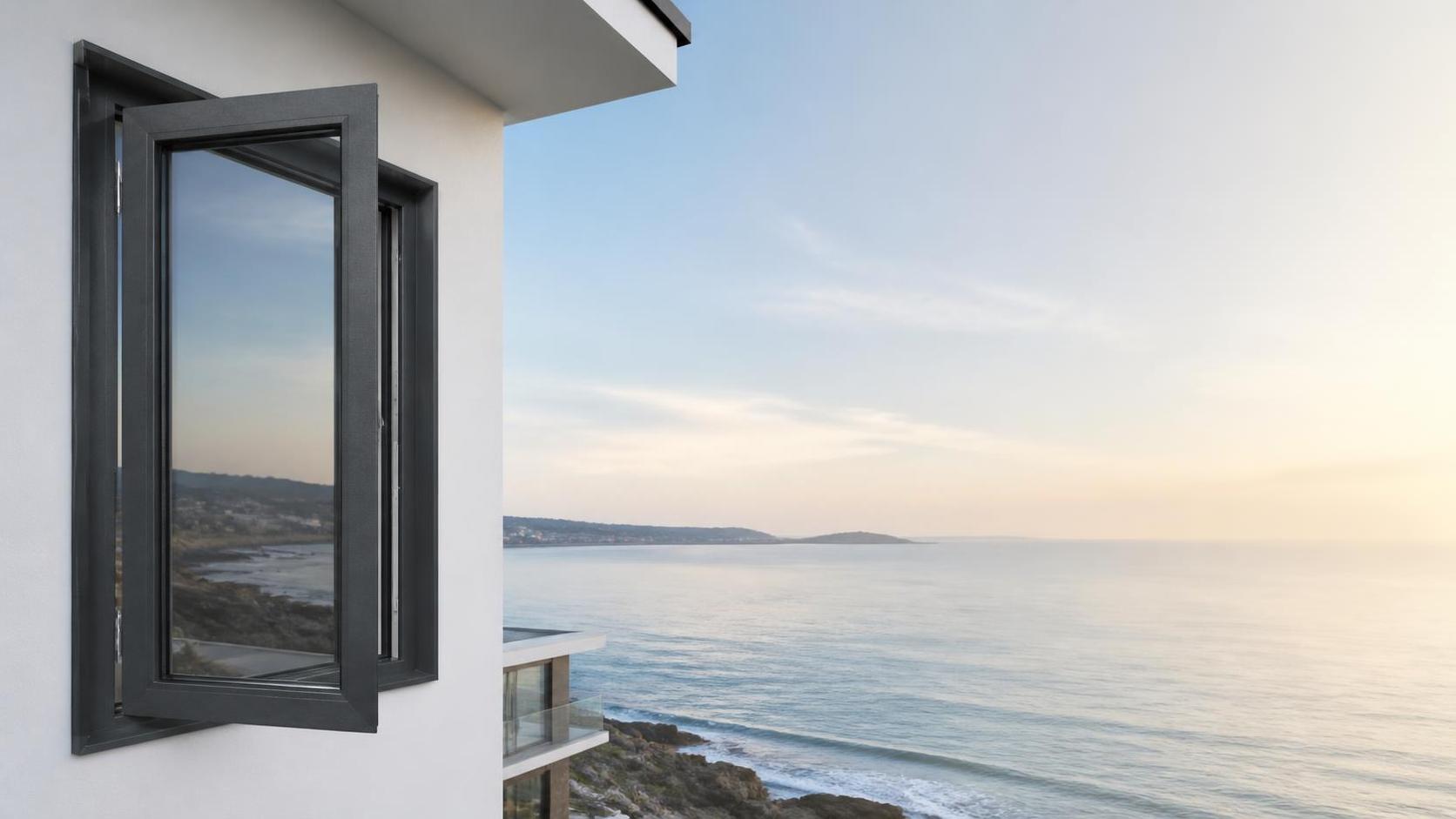
Outward-Opening Design for Practical Ventilation
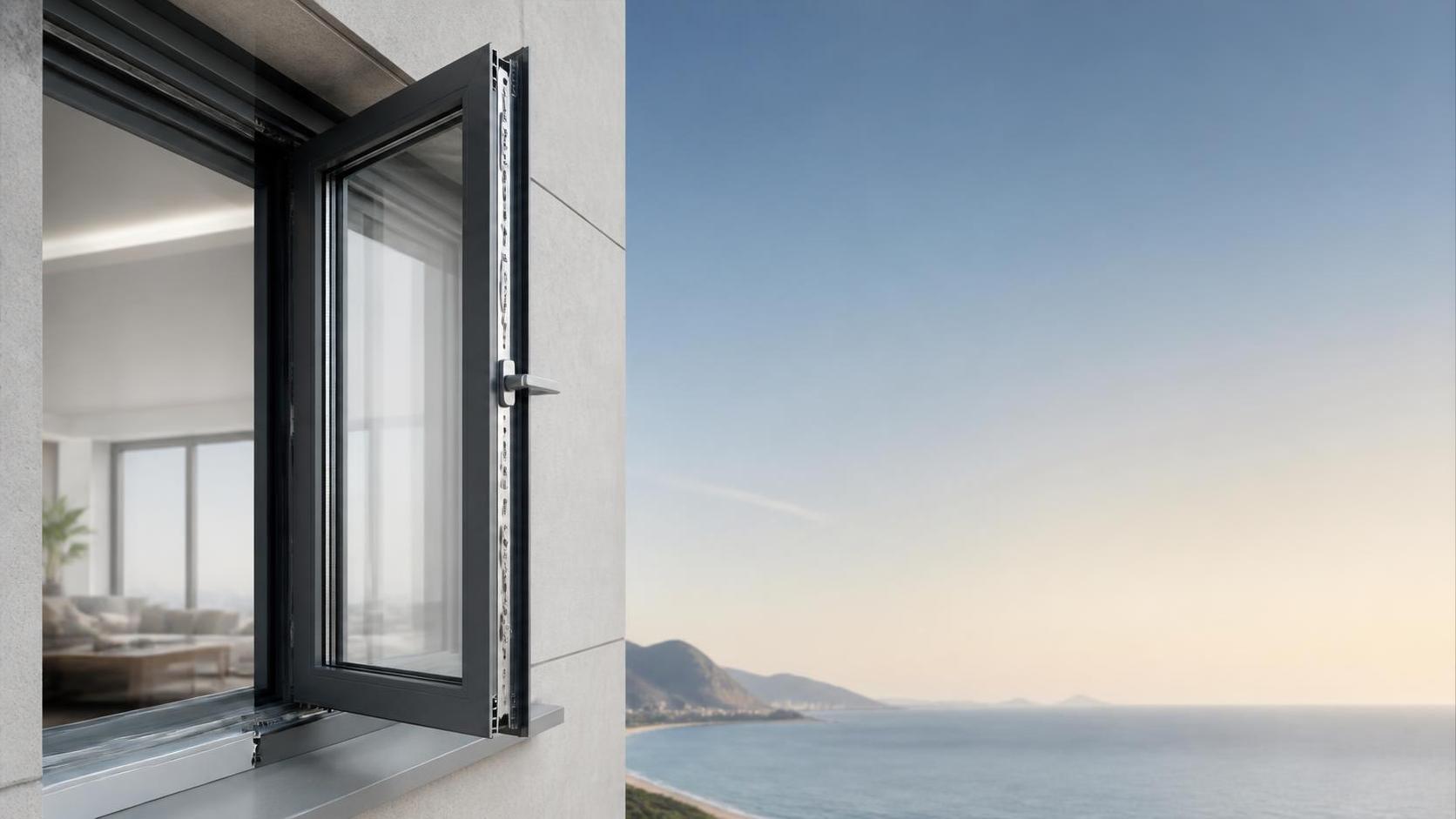
The side-hinged sash opens outward, creating a generous ventilation opening without occupying interior space. This makes the system especially suitable for bedrooms, living rooms, stairwells, kitchens and other rooms where airflow and usable indoor space both matter. When positioned according to the building’s wind direction and façade layout, an outward-opening casement configuration can help encourage natural air circulation throughout the residence.
For projects requiring a reliable composite window solution, the FRUP casement Window offers a balanced combination of ventilation capability, secure closure and energy-conscious profile design. Its outward-opening arrangement is also convenient where internal furnishings, curtains or limited room depth make inward-opening sashes less desirable.
Thermal Insulation Without a Metal Thermal Bridge
Thermal performance begins with the frame material. GFRPU has ultra-low thermal conductivity compared with metal window materials, and the steel-free profile design avoids the continuous metal path that can transfer heat through a conventional reinforced frame. This helps the window system support a more stable indoor environment and contributes to the energy-saving goals of modern residential construction.
The profile also has a thermal-expansion characteristic similar to concrete walls. In practical building applications, this material compatibility can help reduce deformation concerns caused by seasonal temperature changes. For villas, passive-house-oriented projects and buildings with large exterior window areas, selecting frames that work harmoniously with the surrounding wall structure is an important part of long-term envelope planning.
Reliable Sealing Against Air and Water Intrusion
A high-performance window is not defined by frame material alone. This system is equipped with multi-point locking hardware and EPDM sealing strips to help achieve dependable air-tightness and water-tightness when the sash is closed. Multi-point locking distributes closing pressure around the sash perimeter, while EPDM seals are selected for their weather-resistant sealing function.
These details are particularly important for coastal homes and exposed façades, where wind-driven rain, changing humidity and frequent weather cycles can test the integrity of ordinary windows. Proper specification, installation and adjustment remain essential, but the system provides a robust foundation for projects that require carefully managed protection from the elements.
Salt-Spray and Corrosion Resistance for Coastal Construction
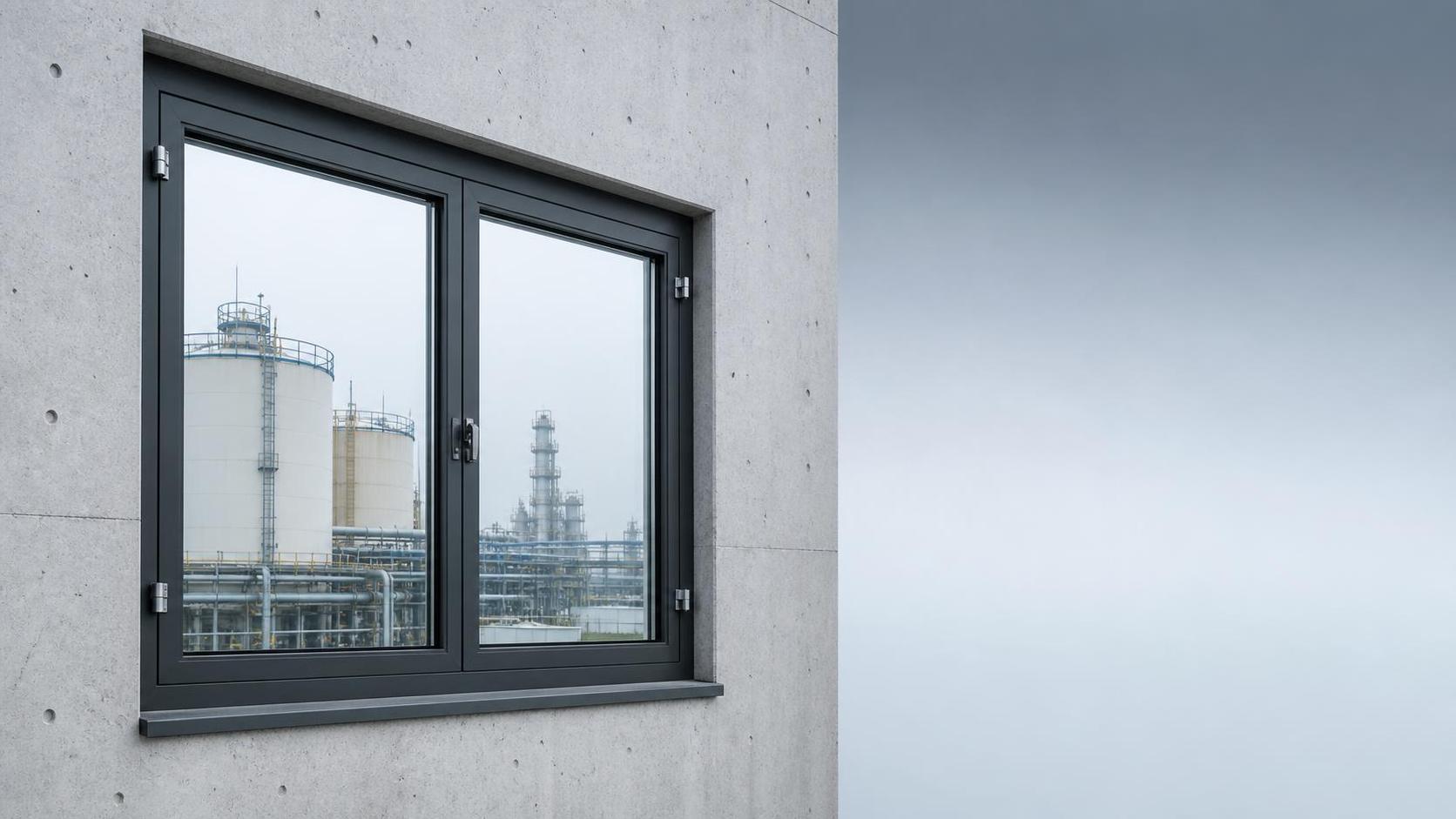
Coastal architecture presents a distinct material challenge. Salt particles in the air can accelerate corrosion on unsuitable window components, while strong sunlight, moisture and temperature variations place additional stress on exterior frames. The GFRPU composite profile is salt-spray resistant, corrosion resistant and UV-aging resistant, making it a suitable choice for seaside villas, island residences, waterfront hospitality properties and other buildings located in aggressive outdoor environments.
Its lightweight yet high-strength composite construction also supports easier handling during fabrication and installation. Rather than choosing a standard window frame and accepting regular maintenance concerns in a coastal environment, project teams can specify a system designed around the material demands of the location.
Key Product Advantages
- Steel-free pultruded fiberglass-reinforced polyurethane profiles.
- Outward-opening, side-hinged sash for wide and effective ventilation.
- No metal thermal bridge within the profile structure.
- Multi-point locking hardware for a secure, evenly compressed closure.
- EPDM seals supporting air-tightness and water-tightness.
- Salt-spray, corrosion and UV-aging resistance for exposed environments.
- Lightweight, high-strength frame material suited to long-term building use.
- Custom dimensions, surface colors and glass configurations available.
Glazing and Customization Options
Each project has different requirements for light transmission, privacy, safety, acoustics and insulation. This window can be configured with insulated glass, Low-E glass or laminated tempered glass according to the intended application and local project specification. These glazing choices allow designers and buyers to coordinate frame performance with the environmental and functional needs of the finished building.
Custom window sizes and colors are available to support architectural consistency across new-build and renovation projects. Whether the objective is a restrained contemporary façade, a warm villa aesthetic or a coordinated commercial residential development, the frame finish and glazing solution can be selected to complement the wider design scheme. OEM and ODM support is also available for clients developing market-specific window programs.
Suitable Applications
This system is intended for projects where energy efficiency, corrosion resistance and dependable opening function are priorities. It is particularly relevant to building professionals who need a window solution that performs beyond ordinary indoor or mild-climate applications.
- Coastal villas, beach houses and waterfront residential developments.
- Passive houses and energy-saving homes focused on improved envelope design.
- High-end homestays, resorts and hospitality properties in humid regions.
- Residential buildings near chemical plants or corrosion-prone industrial areas.
- Low-rise commercial and mixed-use projects requiring customized composite windows.
- International distribution programs seeking durable, low-carbon window systems.
Manufacturing Expertise and Project Support
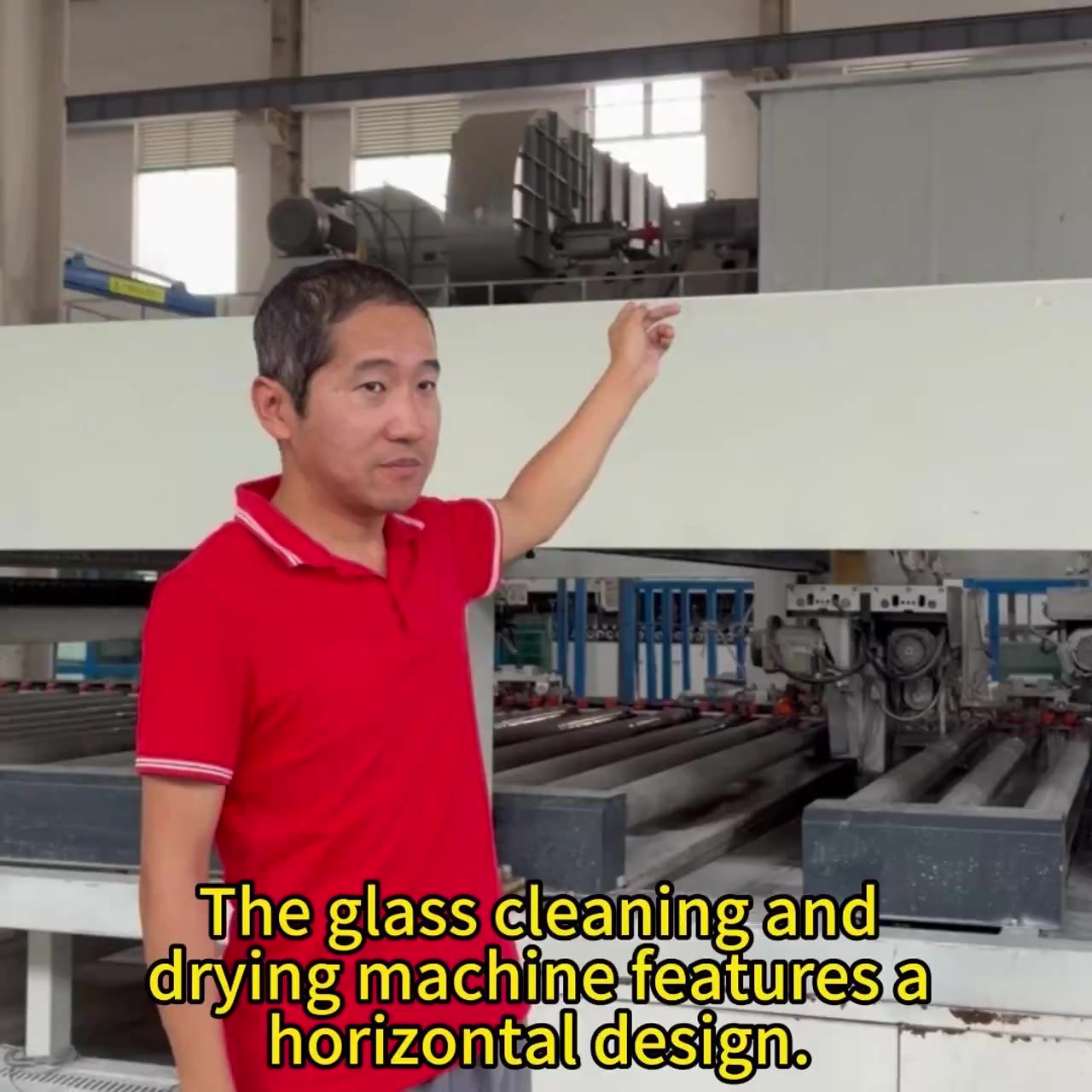
Our manufacturing experience covers the research, production and global export of pultruded FRPU/GFRPU profiles and energy-saving windows and doors. We independently produce composite window and door profiles, enabling closer control over profile quality, system development and customization requirements. Full-range quality control is implemented throughout production to support consistent finished-window delivery.
In addition to this casement configuration, our product portfolio includes sliding, bi-fold, tilt-and-turn, top-hung, hopper, fixed and louver window systems. This broader capability helps contractors, distributors and developers source coordinated solutions for different areas of the same project. Products are supplied to markets across North America, Southeast Asia, Europe, Oceania and other international regions.
A Considered Choice for Demanding Buildings
The FRUP casement Window is built for buyers who need more than a standard opening window. Its composite profile, thermal-break-free structure, outward-opening ventilation, multi-point locking and weather-resistant sealing make it a considered choice for buildings exposed to salt air, humidity, sunlight and changing temperatures. With tailored sizing, color and glazing options, it provides the flexibility required for professional residential and coastal construction projects.
FRP (Fiber-Reinforced Plastic) windows are made by using glass fibers and resin-based materials that are formed through pultrusion; no steel reinforcement is required. They can be designed as sliding windows, windows that open inward, push-open windows, and lift-and-slide doors. These represent a high-performance new type of window and door system suitable for buildings with ultra-low energy consumption, passive houses, areas with extreme cold conditions, and high-rise buildings.
Related Suggestion
 Coastal‑Use GFRPU Fiberglass Casement Window, Corrosion‑Resistant Outward Swing Window for Humid Sea‑Side Residential HousesView More
 GFRPU Outward‑Opening Casement Window, Salt‑Spray Corrosion‑Resistant Fiberglass Composite Window for Coastal Villa Residential BuildingView More
 GFRPU windowView More
 GFRPU Casement windowView More
FORM