FRPU
window
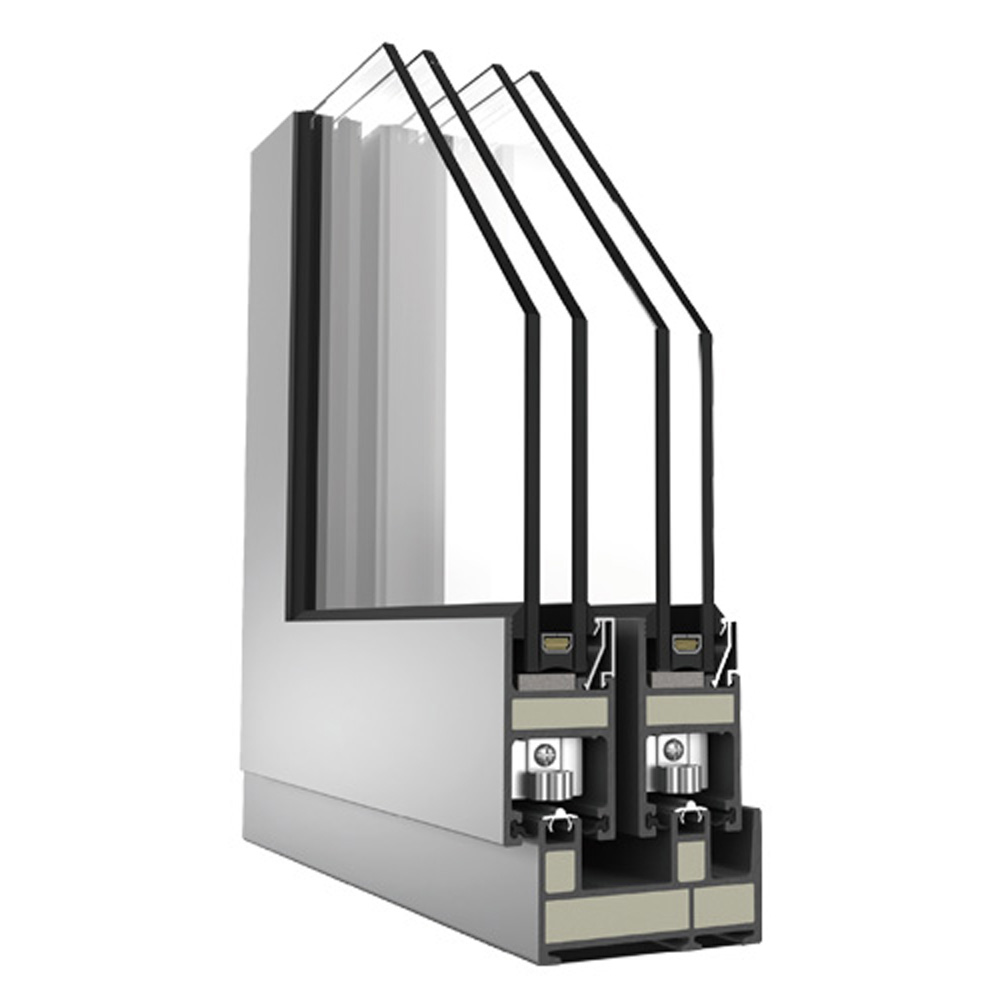
Pultruded FRP fiberglass window with polyurethane resin matrix. No steel liner, excellent thermal insulation, salt‑corrosion & weather resistance. Fit for passive house, coastal and high‑rise projects, customizable casement & sliding styles.。
‹
›
‹
›
Product Configuration
Outward-Opening Performance for Demanding Building Envelopes
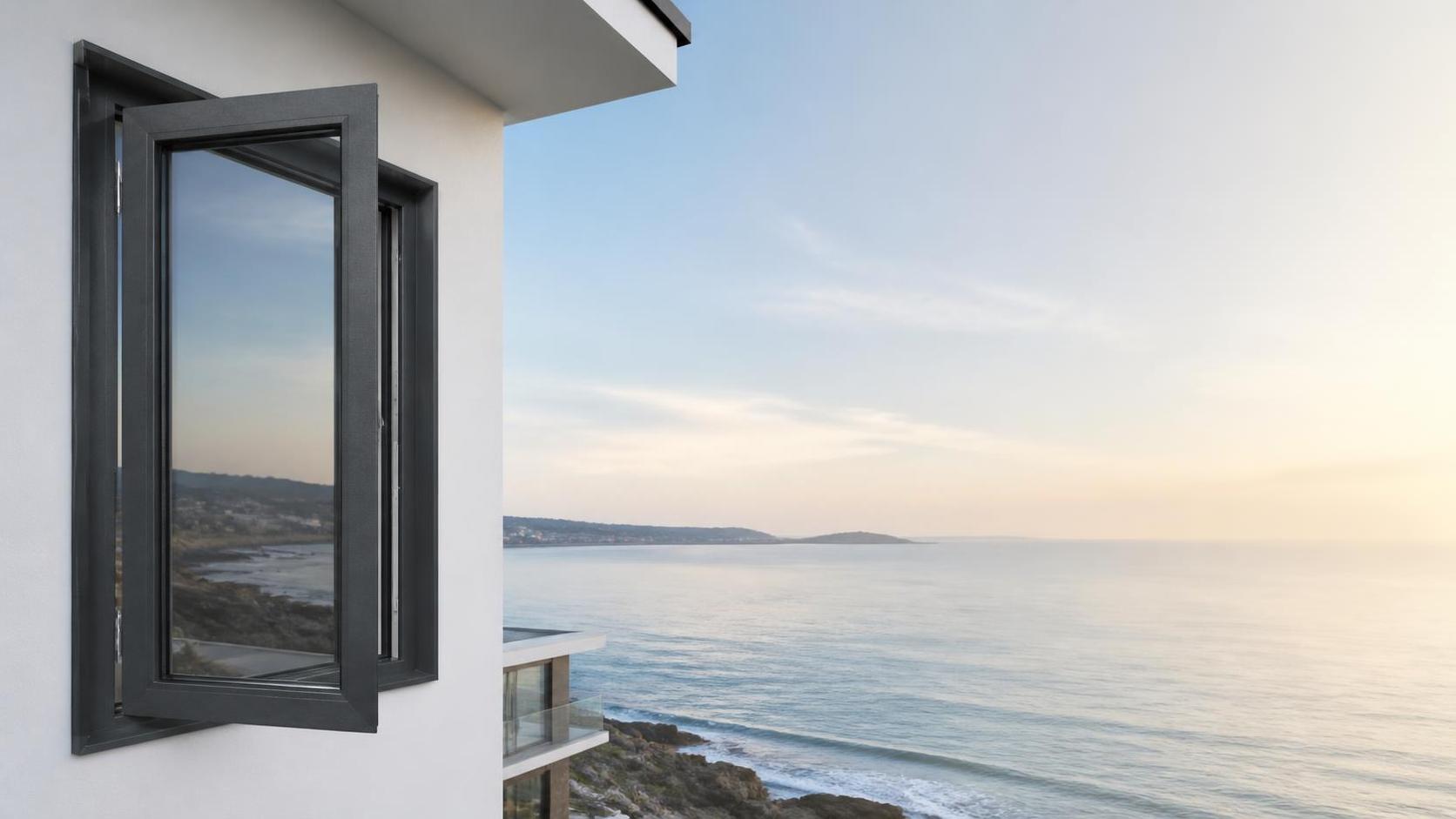
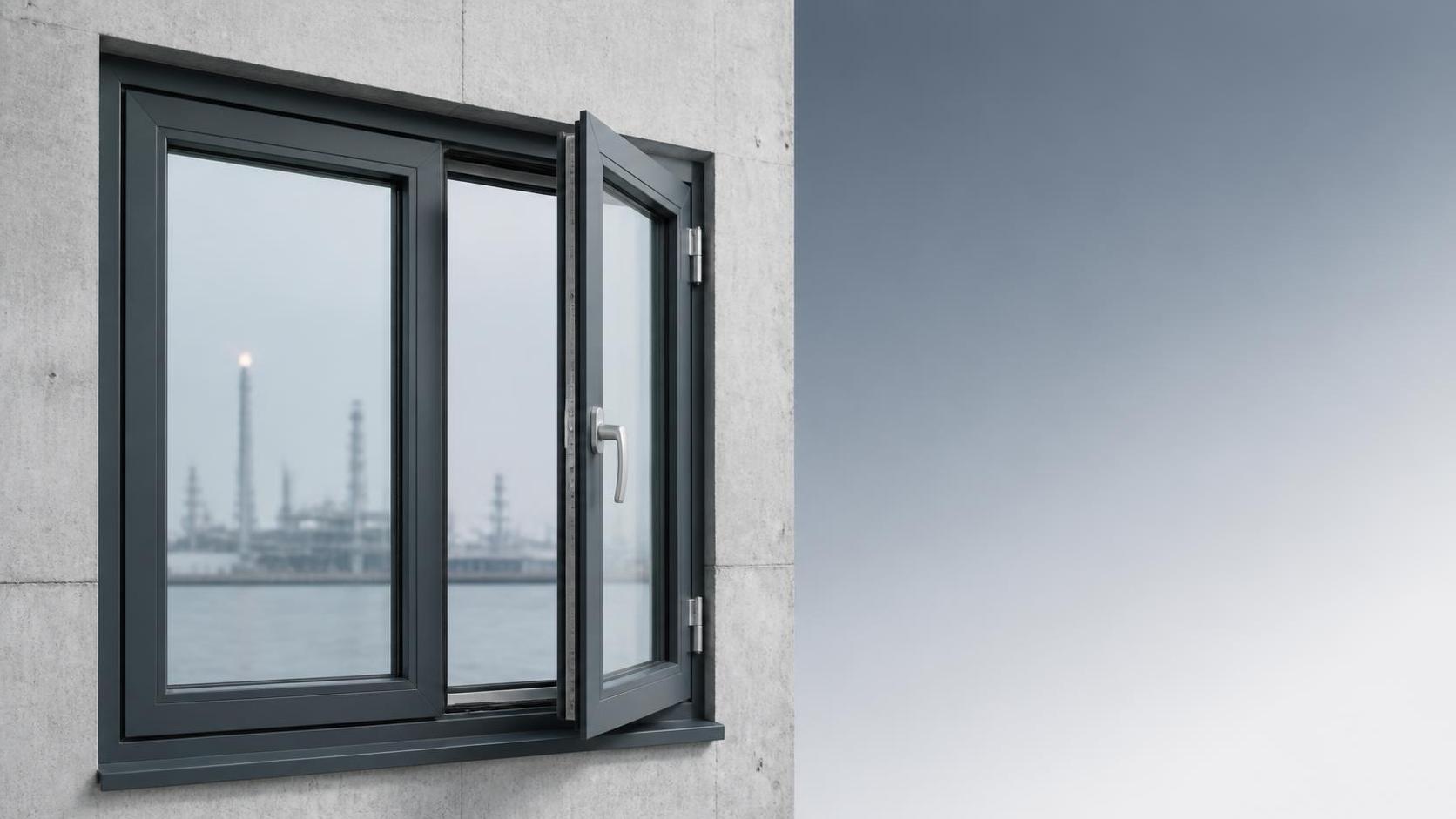
This outward-opening window system is engineered for projects that require practical ventilation, stable thermal performance and long-term resistance to challenging exterior conditions. Its sash is hinged at the side and opens outward, creating a broad, unobstructed ventilation path while preserving useful interior space. This opening arrangement is particularly suitable where furniture layouts, narrow rooms or interior circulation make inward-opening sashes less convenient.
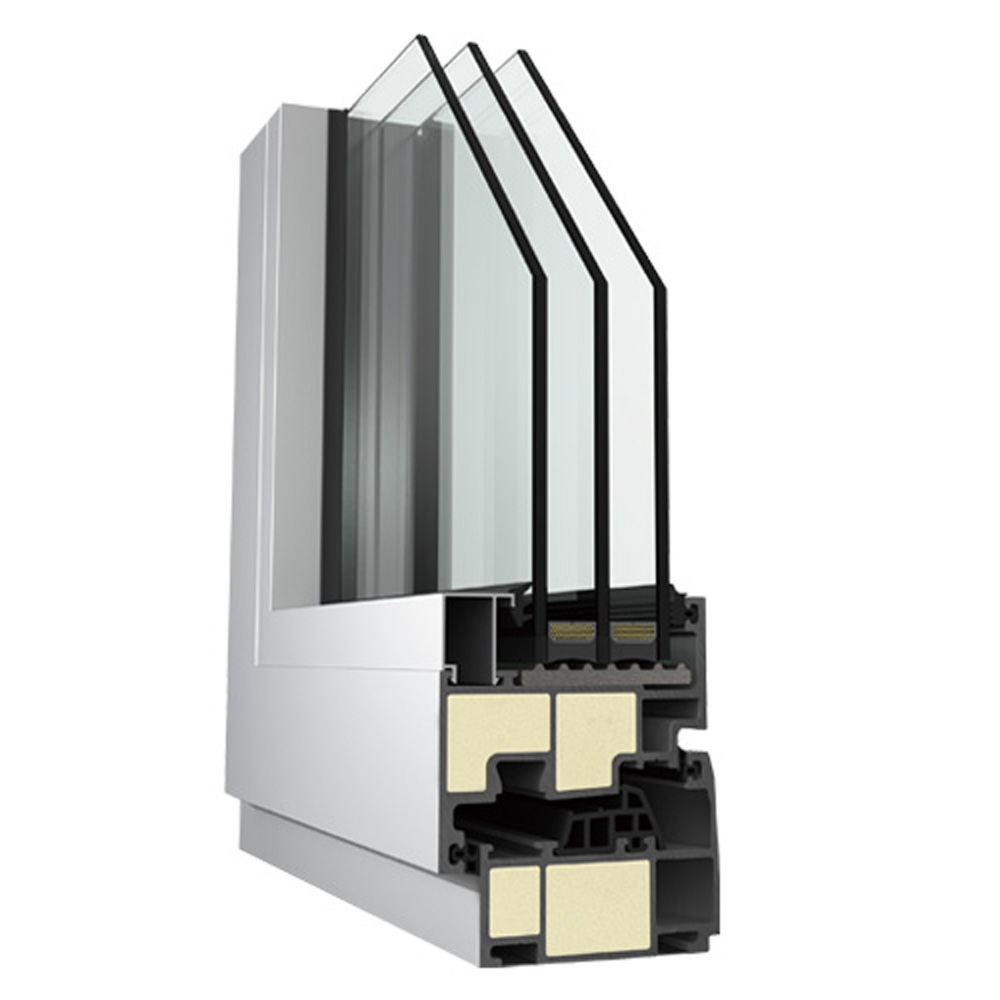
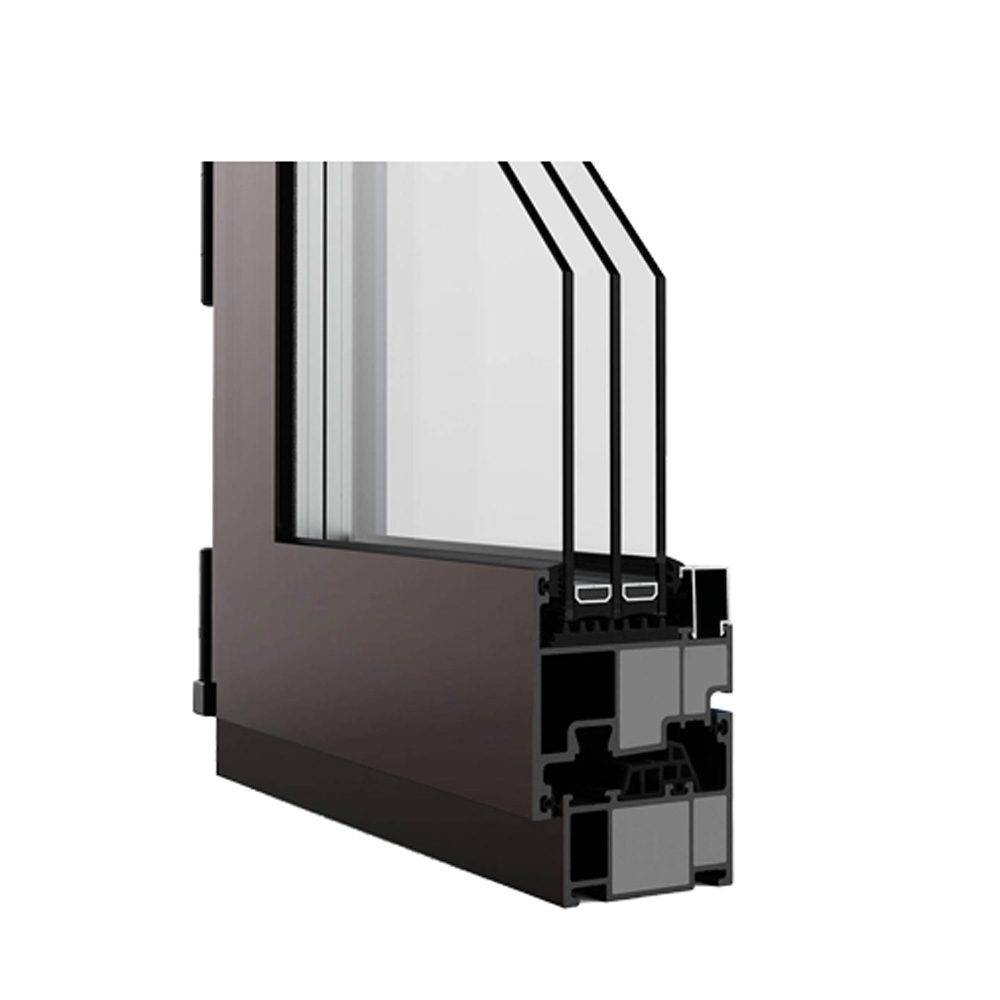
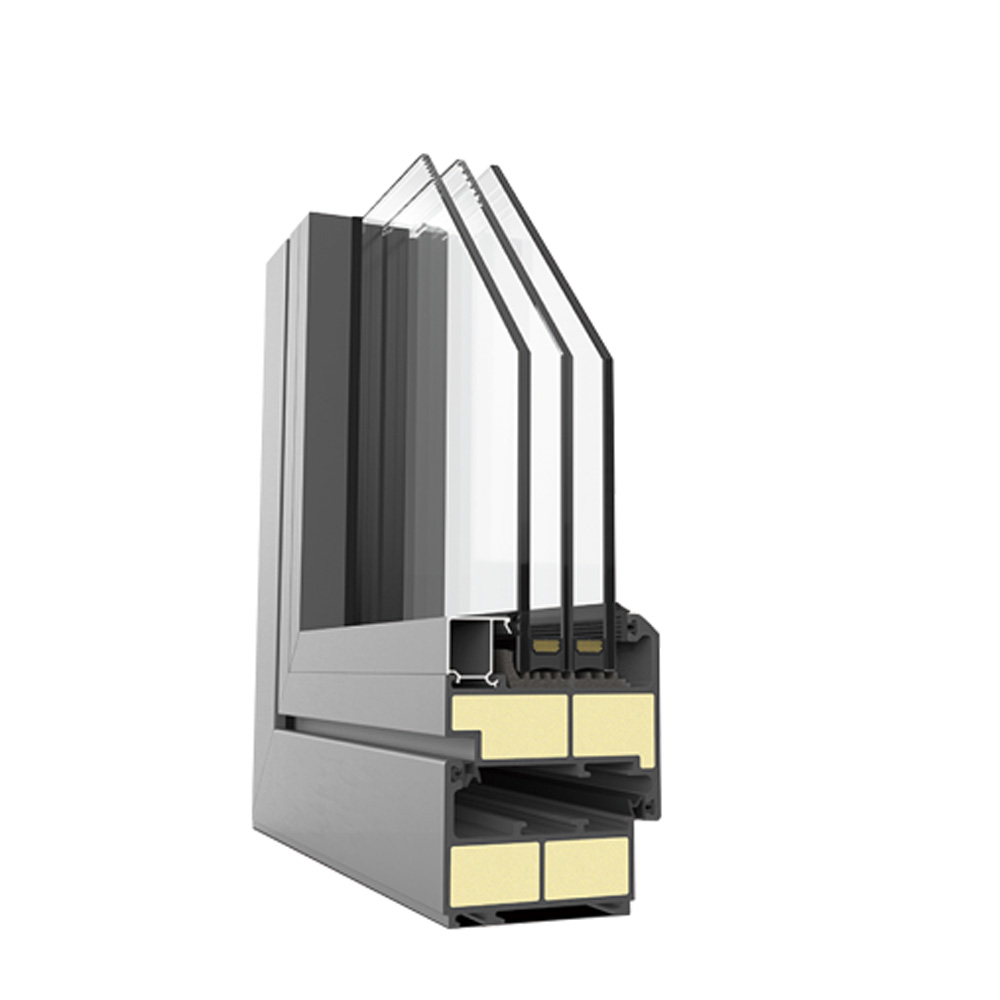
At the core of the system is a pultruded fiberglass-reinforced polyurethane profile. Unlike conventional metal-reinforced window constructions, the profile does not require steel reinforcement. This material approach helps eliminate the metal thermal bridge commonly associated with reinforced frame systems. For developers, fabricators and project specifiers, the result is a window solution designed around insulation continuity rather than a compromise between structural reinforcement and thermal control.
Built Around Pultruded FRPU Profile Technology
Pultrusion enables consistent production of composite profiles with the strength and dimensional stability needed for window and door applications. Fiberglass reinforcement contributes high strength at a comparatively low weight, while polyurethane supports a low thermal conductivity profile structure. The material also has a thermal-expansion coefficient similar to that of concrete walls, helping to reduce differential movement between the window assembly and surrounding wall construction as temperatures change.
For a FRUP casement Window specification, this material combination offers clear value where a project must balance energy-conscious design with exposure to moisture, salt air, ultraviolet radiation or corrosive environments. The composite profiles are inherently suited to applications where conventional metal frames may require additional attention to thermal bridging or corrosion protection.
Secure Closure and Layered Weather Protection
A well-performing operable window depends not only on its frame material, but also on how the sash closes against the frame. This system uses multi-point locking hardware to engage the sash at multiple locations. When the handle is operated, the locking points draw the sash into position to support a more even compression of the seals around the perimeter.
Multi-layer sealing gaskets provide an additional line of defense against air and water infiltration. Together, the locking and sealing arrangement is designed to support strong air-tightness and water-tightness in daily use. This is especially relevant for exterior elevations exposed to wind-driven rain, seasonal storms or changing weather conditions. Proper fabrication, glazing selection and installation remain essential to achieving the intended performance of the complete window assembly.
- Outward-opening sash provides a generous opening area for natural ventilation.
- Multi-point locking supports secure, consistent sash closure.
- Layered gaskets help maintain a protected seal around the frame perimeter.
- Composite profiles avoid the need for steel reinforcement within the window structure.
- Low-conductivity material construction supports energy-efficient envelope design.
Thermal Comfort Without a Metal Thermal Bridge
Thermal performance is a central consideration for modern homes, hospitality projects and commercial developments. The FRPU profile structure is designed without a metal thermal bridge, helping limit conductive heat transfer through the frame. This can support a more stable indoor environment and complements glazing options such as insulated glass and Low-E glass. The final thermal outcome will depend on the selected glass build-up, window size, installation details and the overall building envelope design.
For passive-house-oriented projects and other energy-saving construction programs, a FRUP casement Window can be considered as part of a coordinated façade strategy. It allows specifiers to select a window material that aligns with low-carbon, high-insulation building objectives while maintaining the familiar function and appearance of a side-hinged opening system.
Resistance for Coastal, Chemical and High-Exposure Locations
Coastal buildings and industrial environments place sustained demands on exterior joinery. Salt spray, humidity, UV exposure and corrosive airborne contaminants can shorten the service life of unsuitable materials. Fiberglass-reinforced polyurethane profiles offer strong corrosion resistance, salt-spray resistance and UV-aging resistance, making them a practical choice for locations where durability must be considered from the earliest design stage.
The system is well suited to villas near the sea, resort and homestay properties, chemical plant facilities, commercial façades and residential projects in climates with frequent rain or strong sunlight. Its light weight can also benefit handling during fabrication and installation, while its high-strength composite construction supports dependable everyday operation.
Recommended Project Applications
- Private villas seeking broad ventilation, refined appearance and improved insulation.
- Coastal residences and hospitality buildings exposed to salt-laden air and humidity.
- Commercial developments requiring durable, energy-saving operable window systems.
- Passive-house and low-energy projects focused on reducing thermal bridging.
- Chemical plants and industrial buildings where corrosion-resistant exterior materials are important.
- Renovation projects replacing conventional frames with advanced composite alternatives.
Flexible Design and Project Support
Every project has different façade proportions, visual requirements and glazing needs. Custom profile moulding, window dimensions, surface colors and glass configurations can be coordinated to suit project-specific requirements. Available glazing choices include insulated glass for general thermal improvement, Low-E glass for enhanced solar and thermal control, and laminated tempered glass where safety or security considerations are required.
As a manufacturer with experience in composite pultrusion and complete window-system production, we provide OEM and ODM support for international distributors, contractors and construction partners. Full-range quality control is applied throughout production, from profile manufacturing through finished window assembly. This integrated approach gives buyers a clearer route from profile concept to completed window supply.
A Practical Choice for Long-Service Window Design
For buyers evaluating a FRUP casement Window for residential or commercial use, the primary advantages are straightforward: a wide outward-opening ventilation area, a low-conductivity composite frame, reliable multi-point closure, layered weather seals and resistance to harsh environmental exposure. These qualities address the practical concerns of occupants, architects, installers and property owners alike.
By combining pultruded FRPU profiles with tailored dimensions, finishes and glazing, this system offers a durable alternative for projects that value energy efficiency, corrosion resistance and long-term exterior performance. It is a considered solution for building teams seeking window systems that can respond to both present-day comfort expectations and the realities of demanding climates.
FRP (Fiber-Reinforced Plastic) windows are made by using glass fibers and resin-based materials that are formed through pultrusion; no steel reinforcement is required. They can be designed as sliding windows, windows that open inward, push-open windows, and lift-and-slide doors. These represent a high-performance new type of window and door system suitable for buildings with ultra-low energy consumption, passive houses, areas with extreme cold conditions, and high-rise buildings.
Related Suggestion
 Coastal‑Use GFRPU Fiberglass Casement Window, Corrosion‑Resistant Outward Swing Window for Humid Sea‑Side Residential HousesView More
 GFRPU Outward‑Opening Casement Window, Salt‑Spray Corrosion‑Resistant Fiberglass Composite Window for Coastal Villa Residential BuildingView More
 GFRPU windowView More
 GFRPU Casement windowView More
FORM