FRPU
window
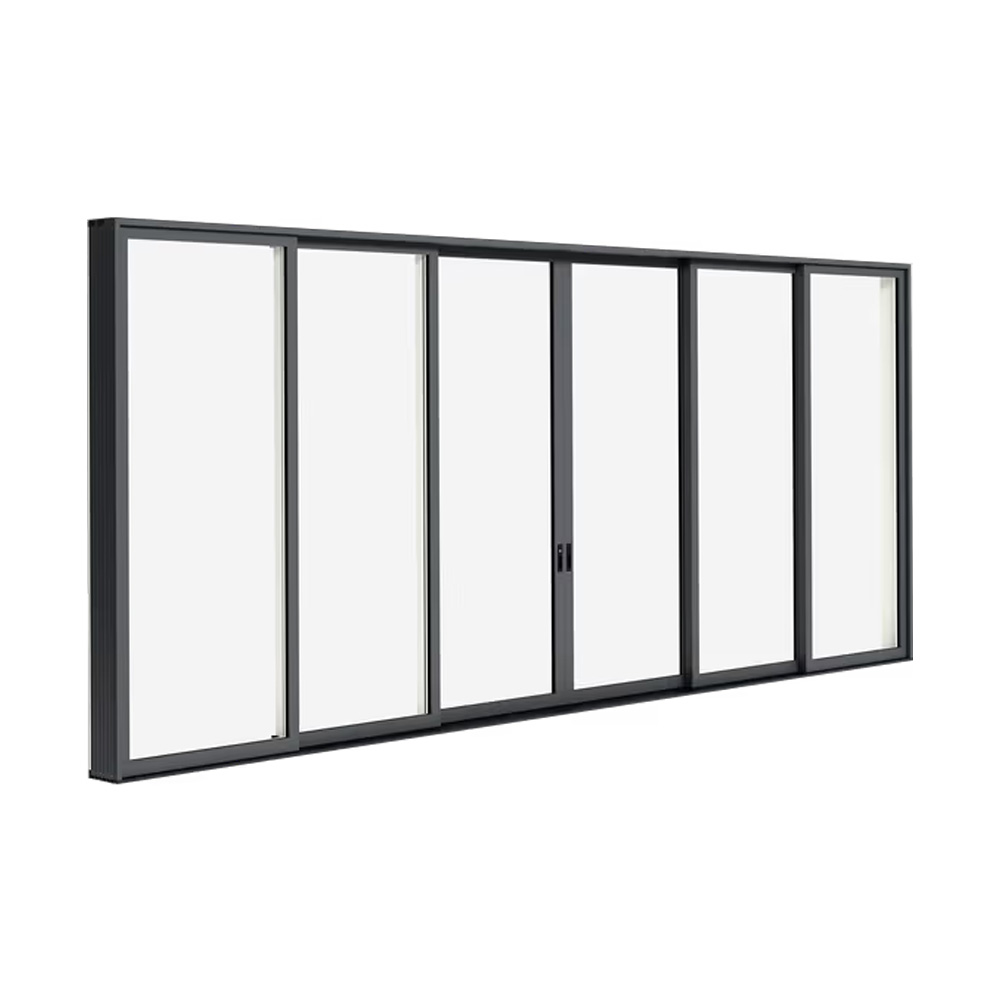
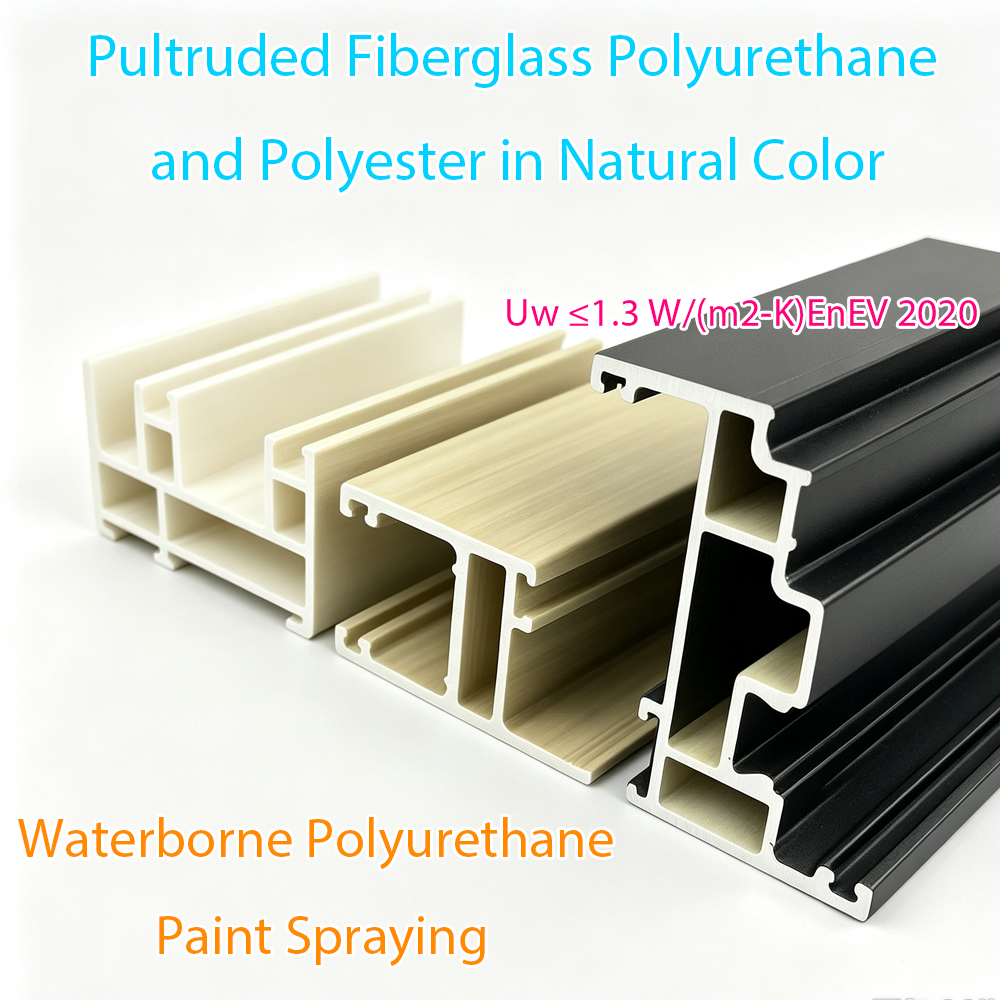
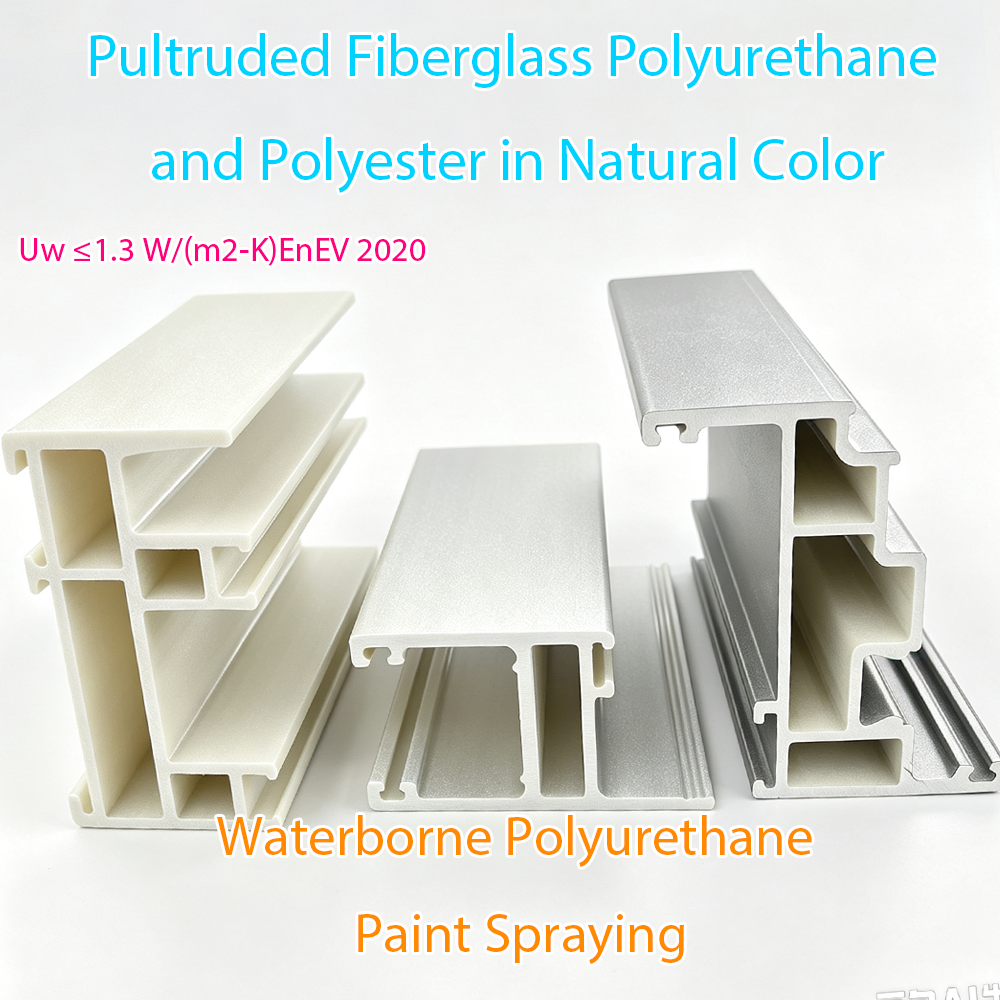
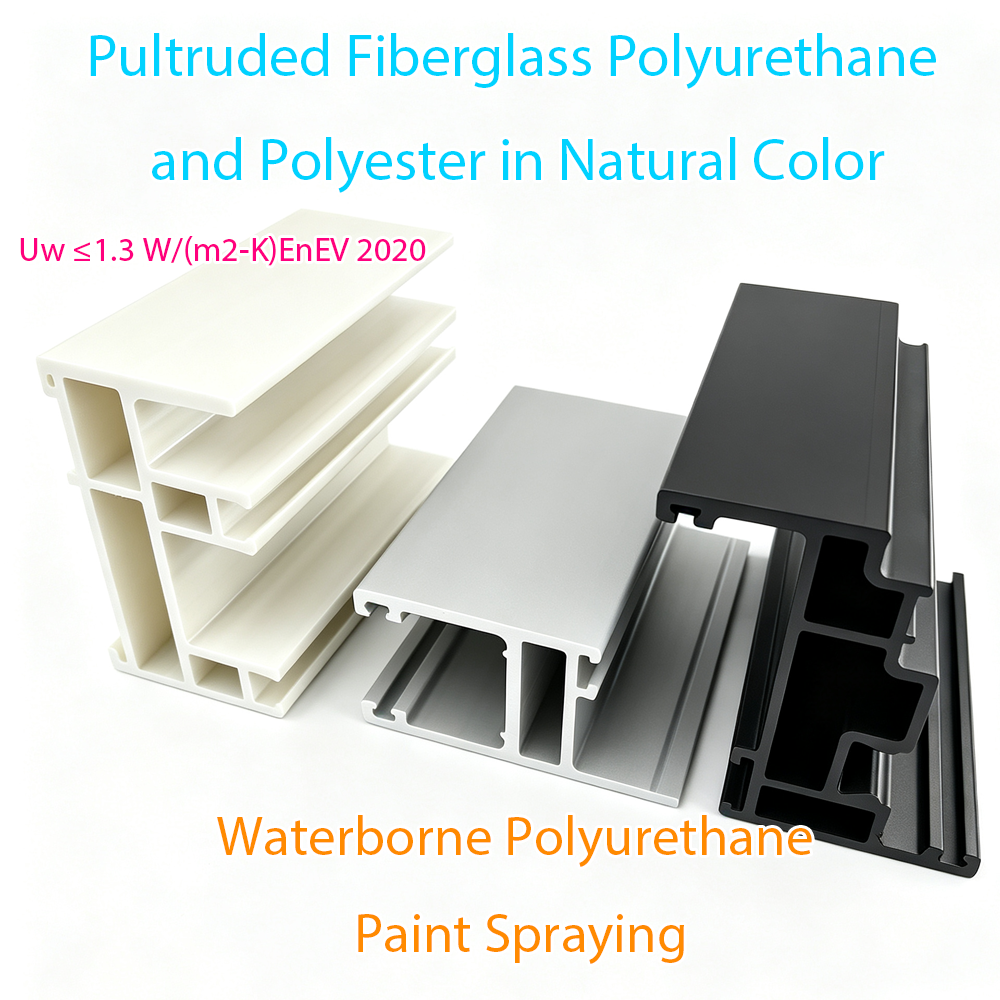
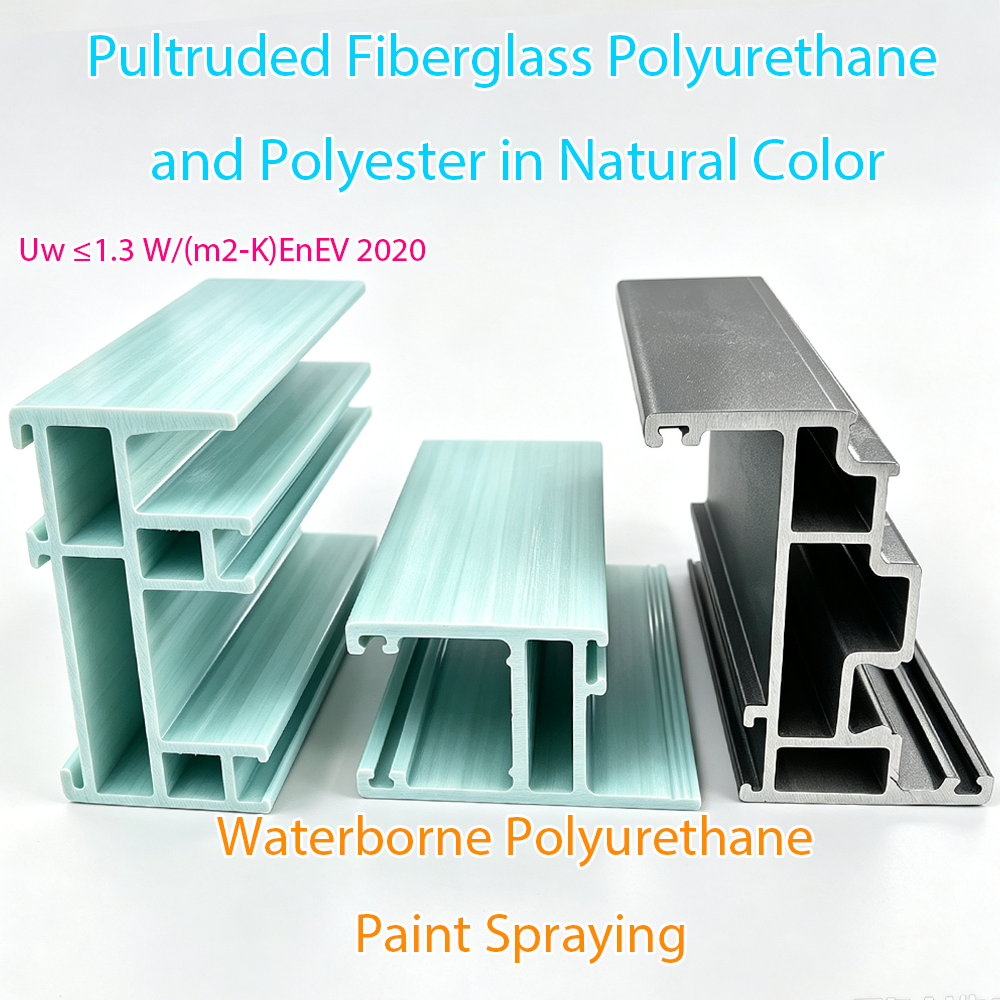
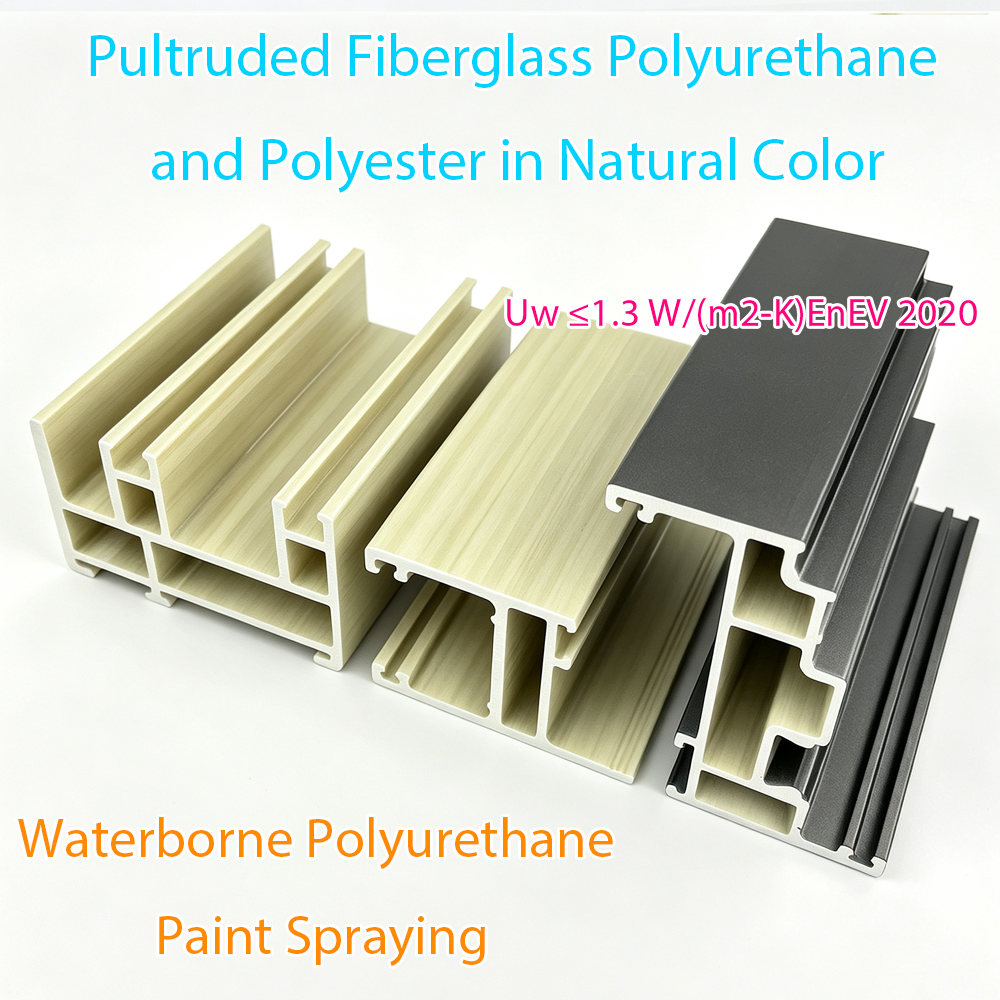
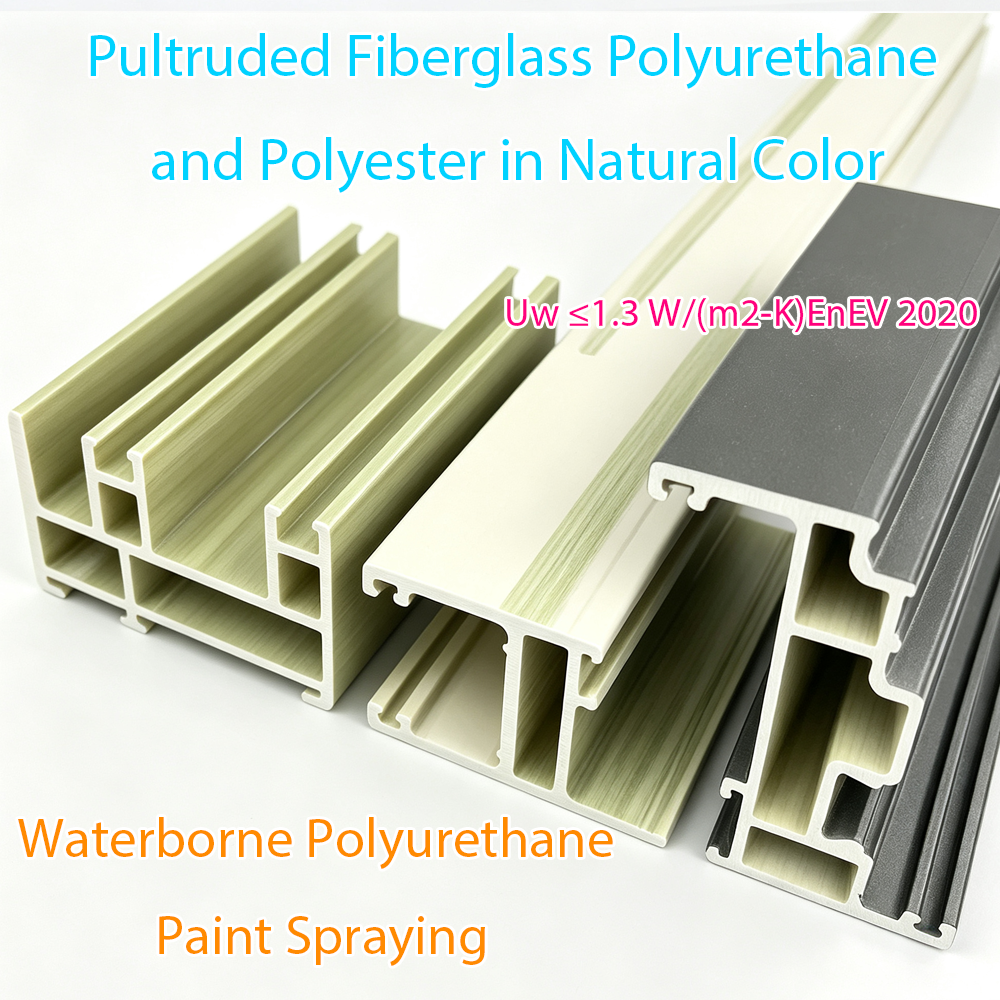
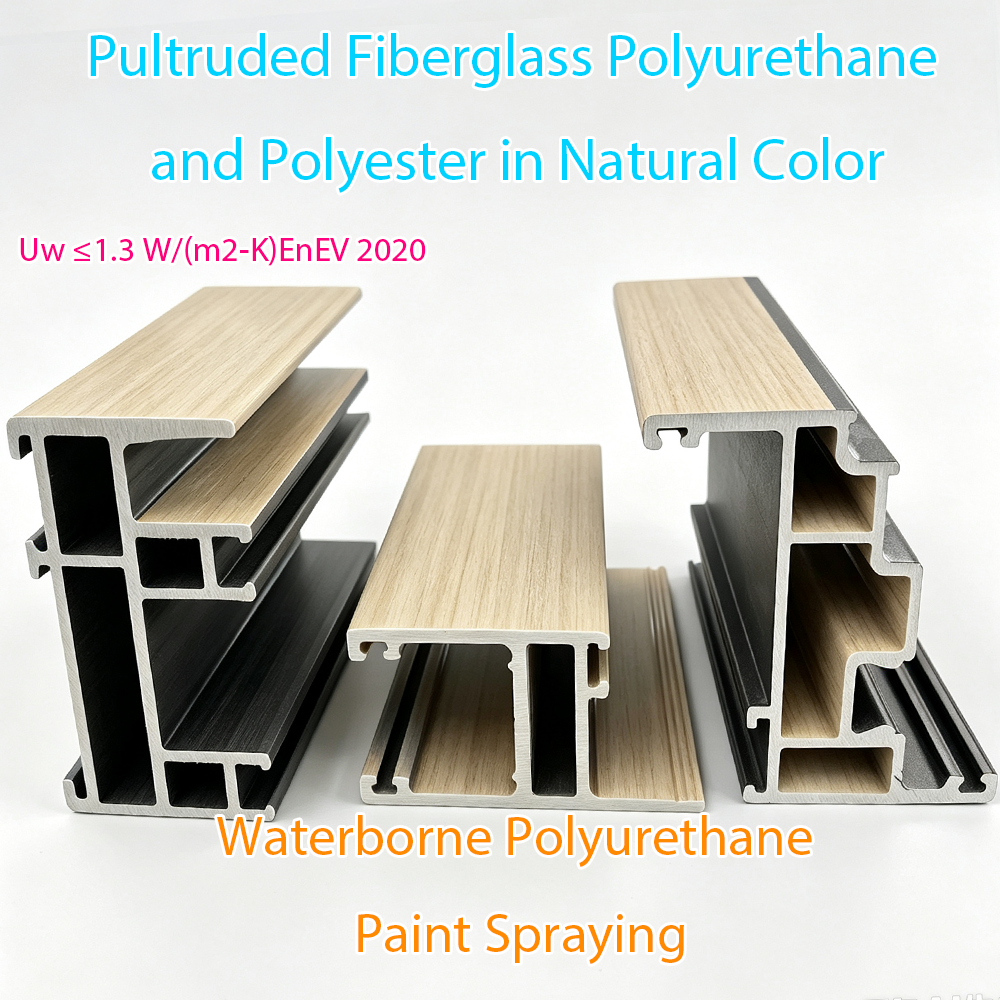
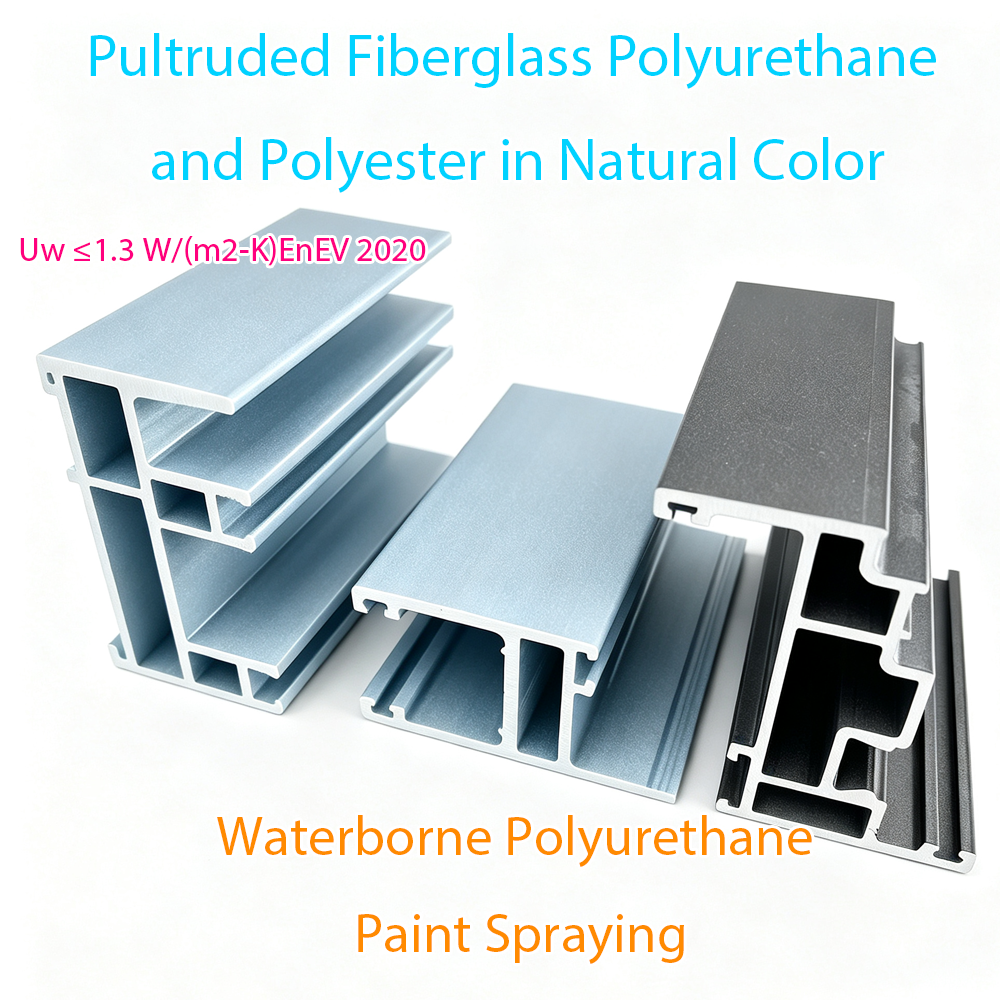
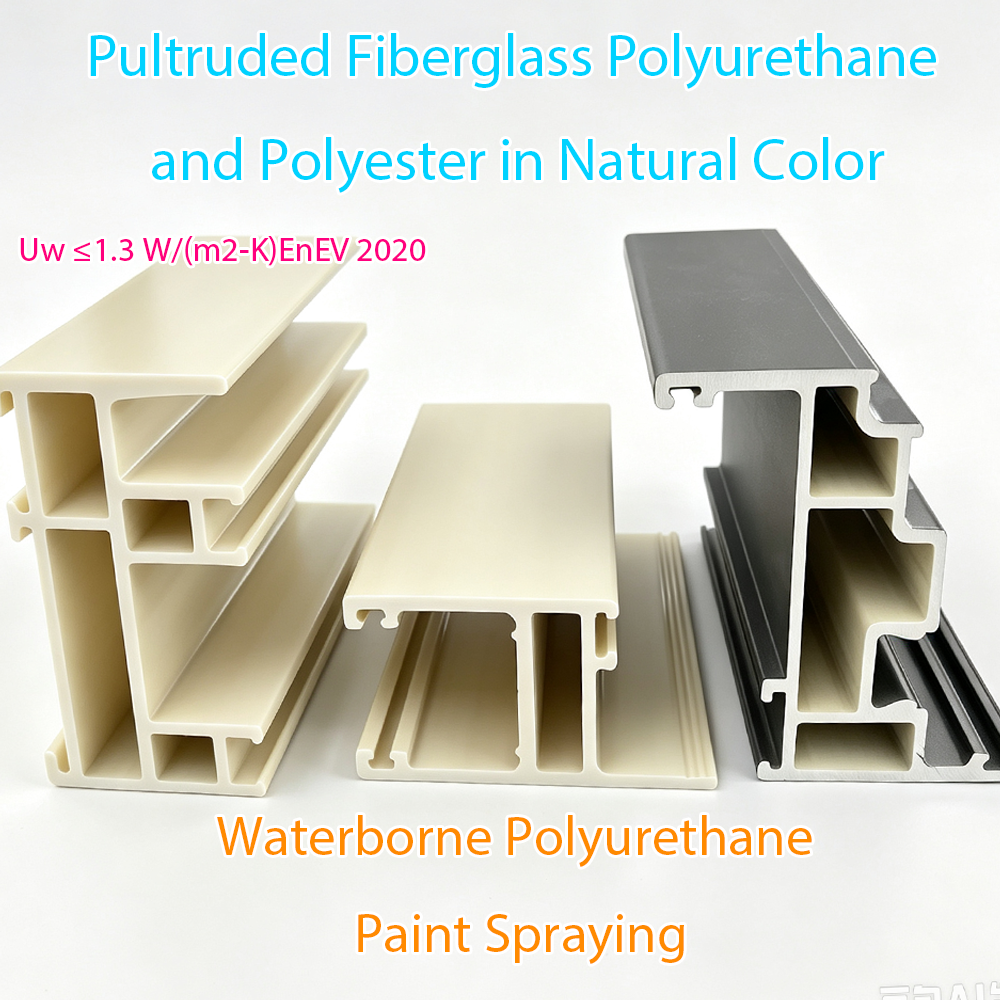
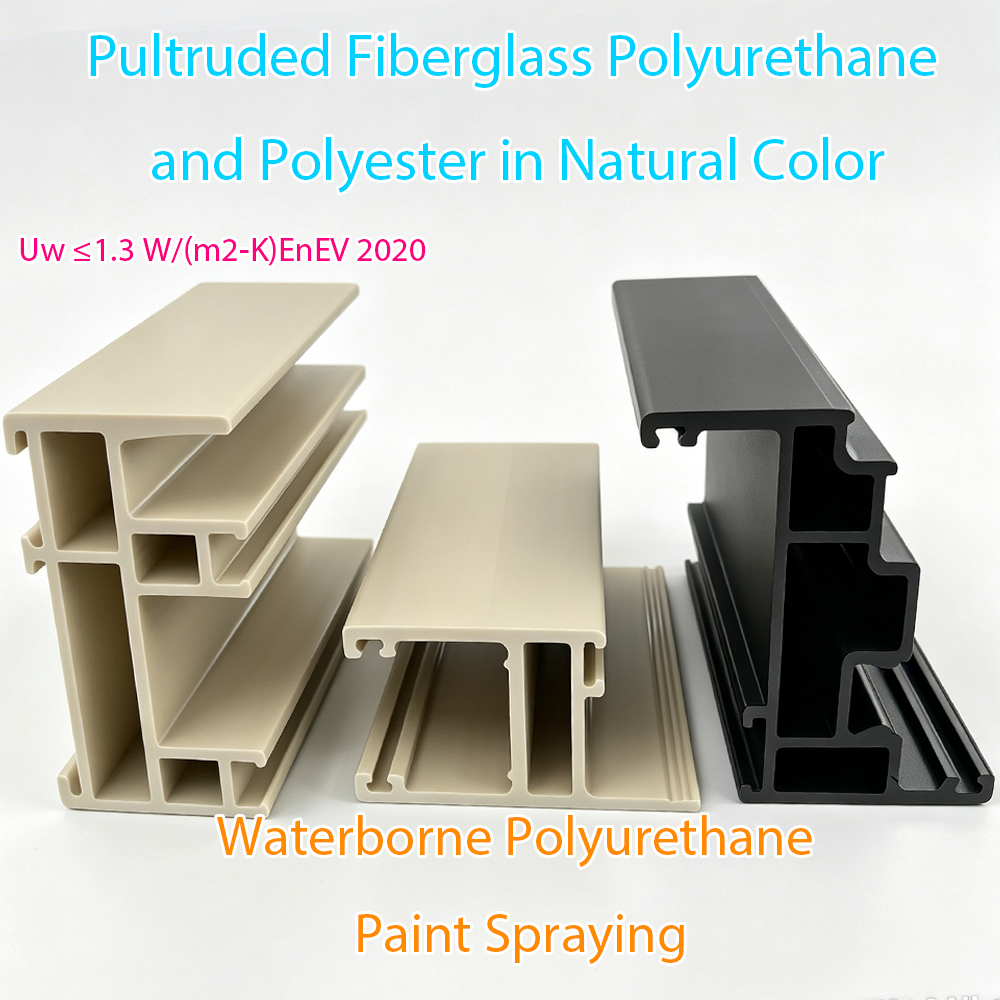
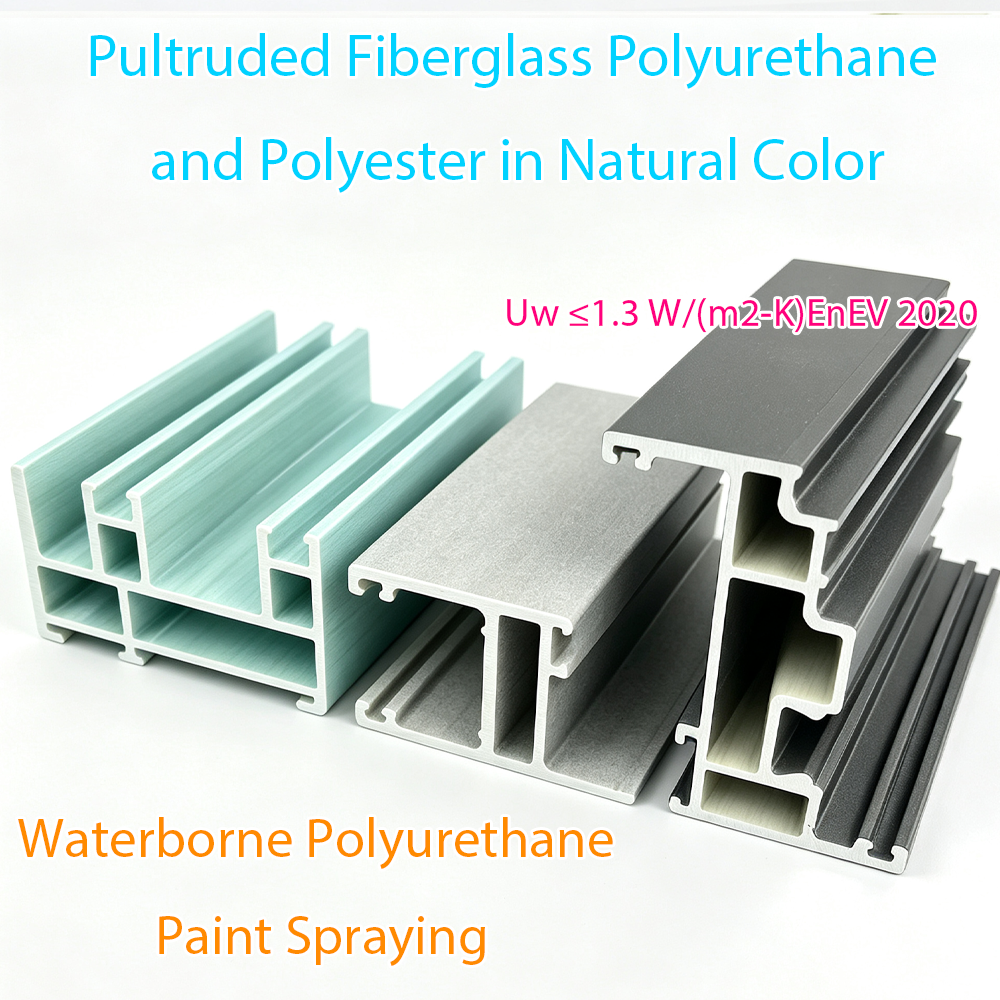
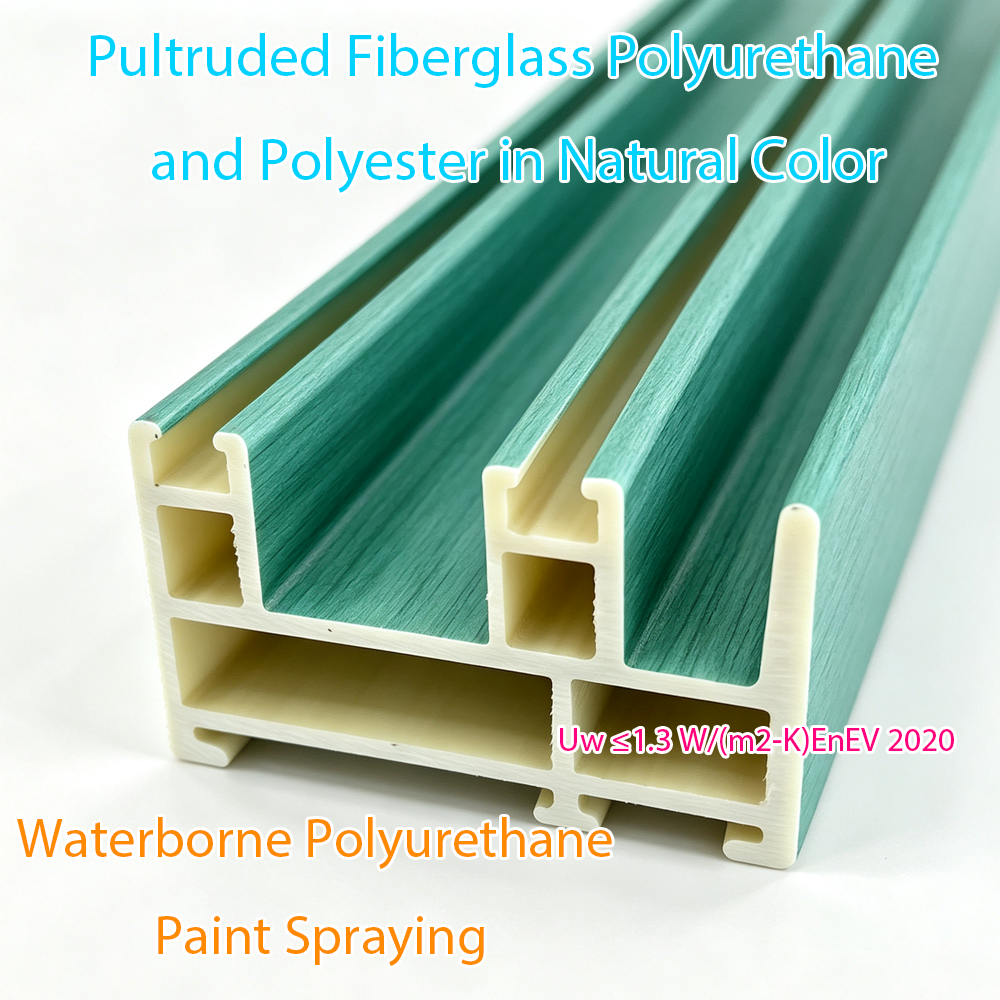
Pultruded FRP fiberglass window with polyurethane resin matrix. No steel liner, excellent thermal insulation, salt‑corrosion & weather resistance. Fit for passive house, coastal and high‑rise projects, customizable casement & sliding styles.。
‹
›
‹
›
Product Overview
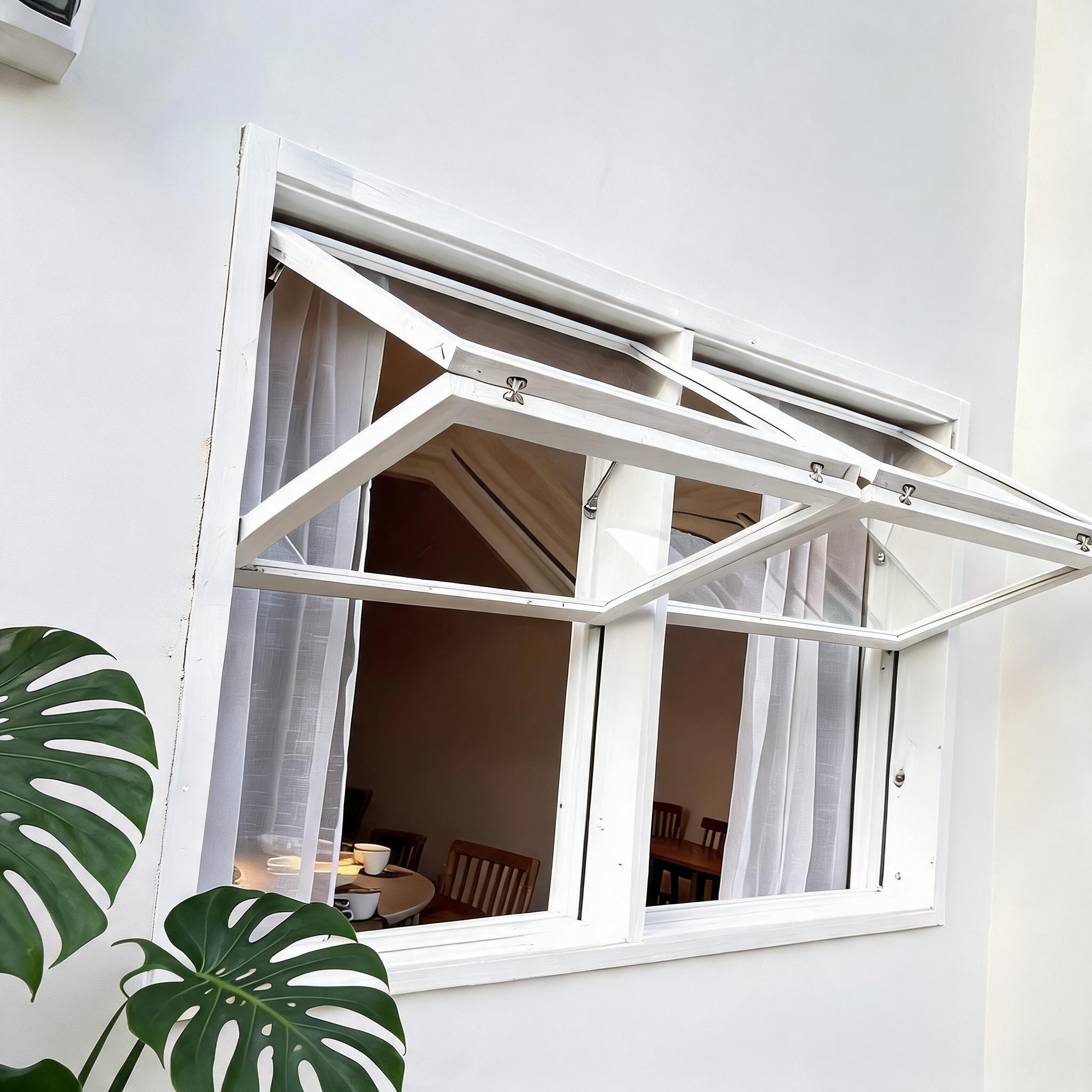
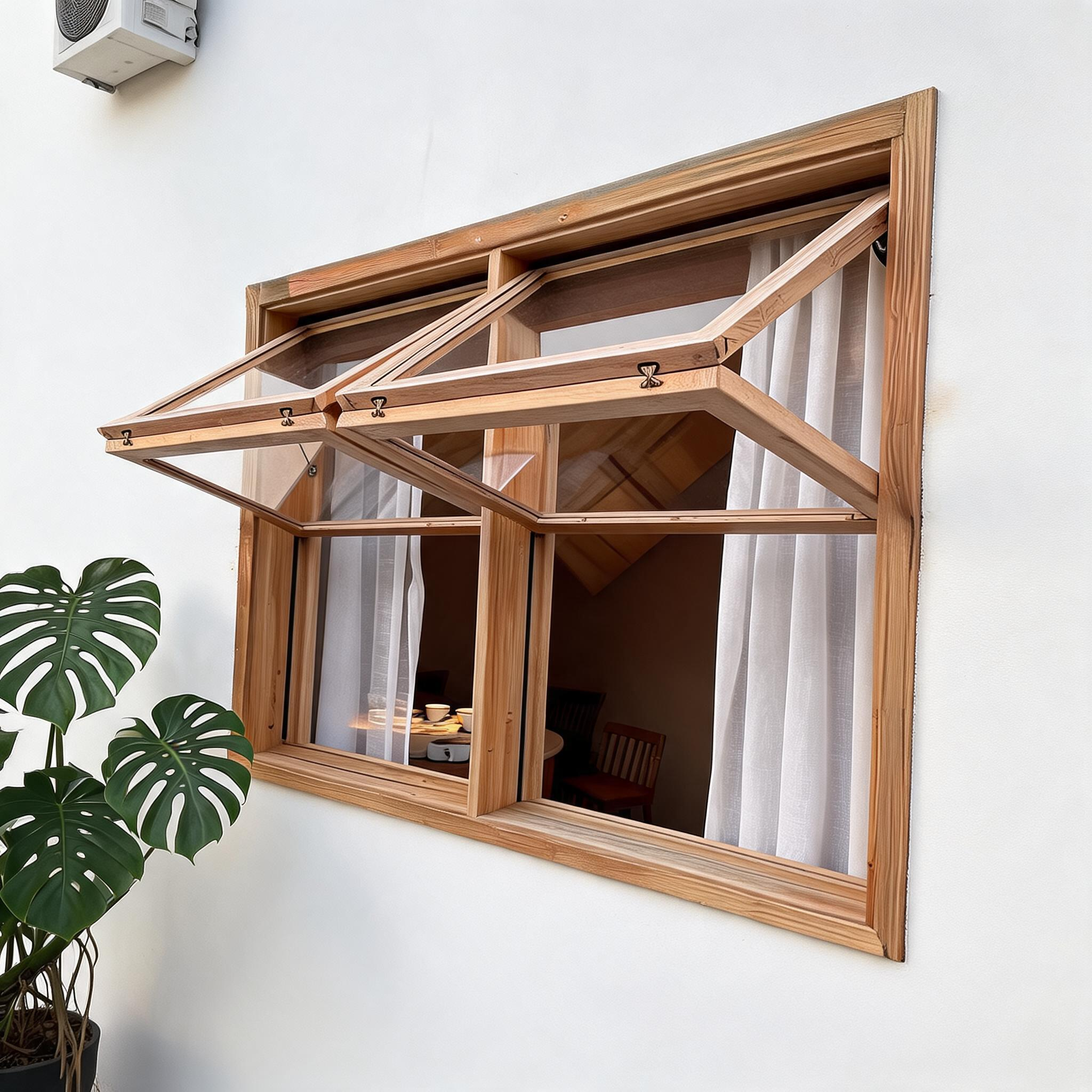
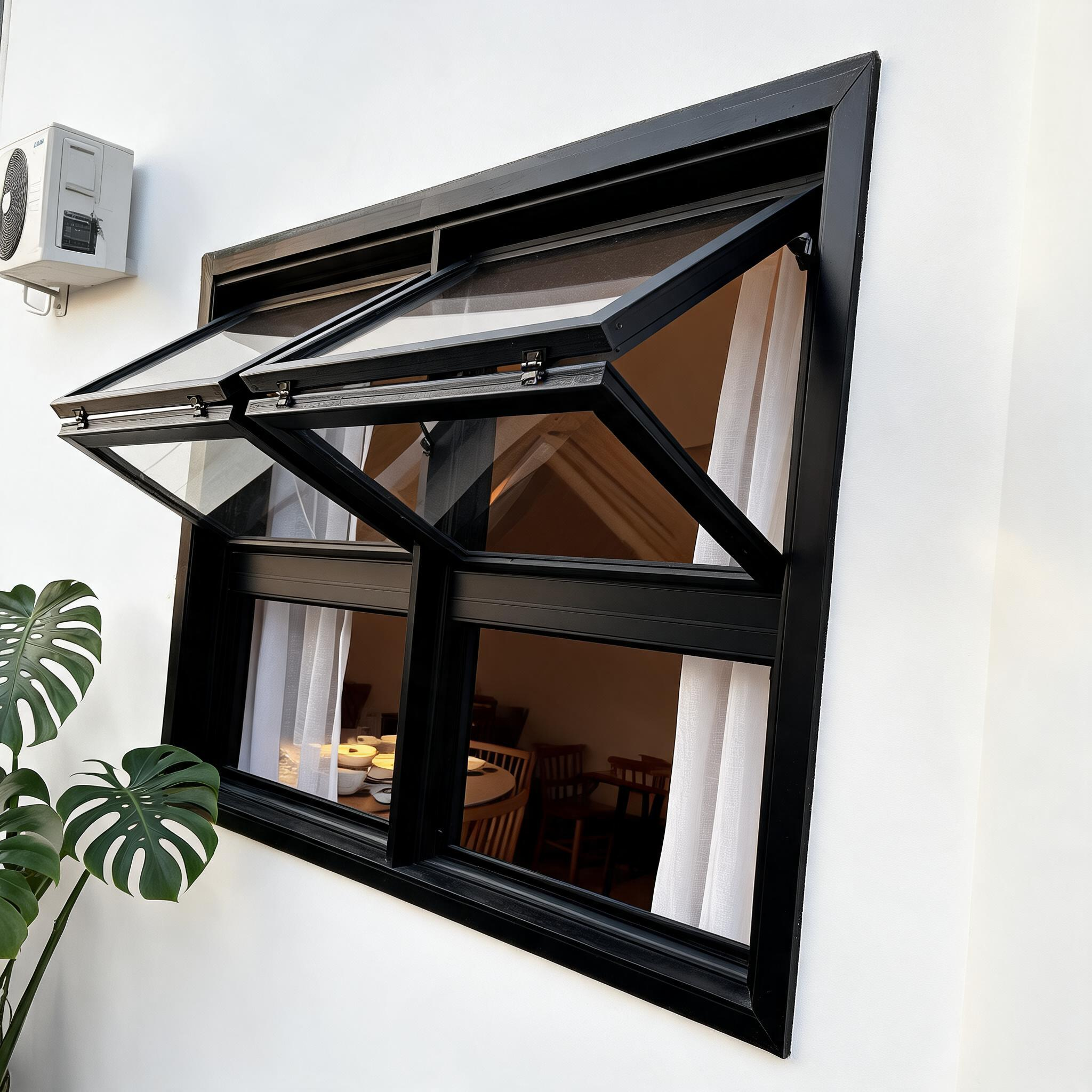
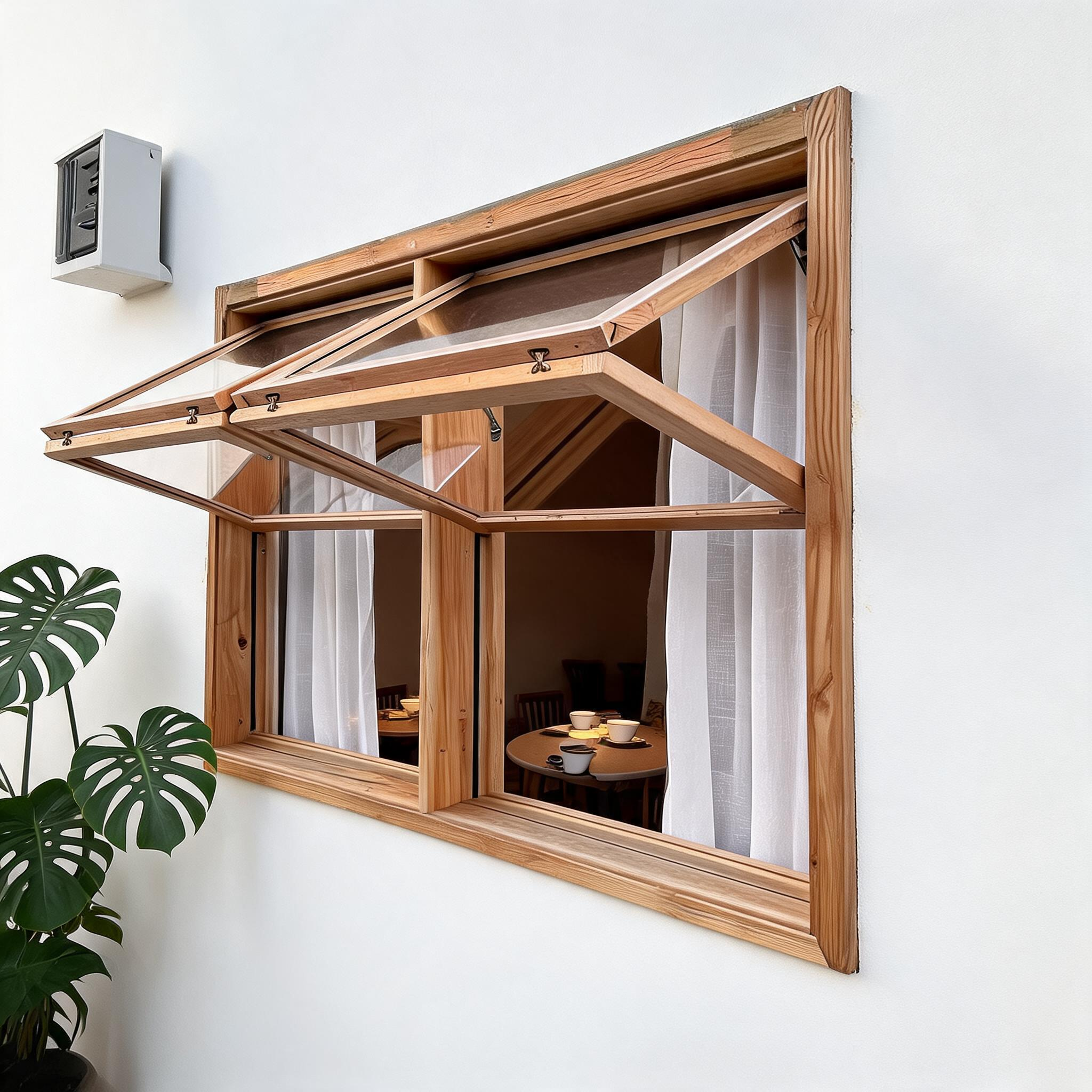
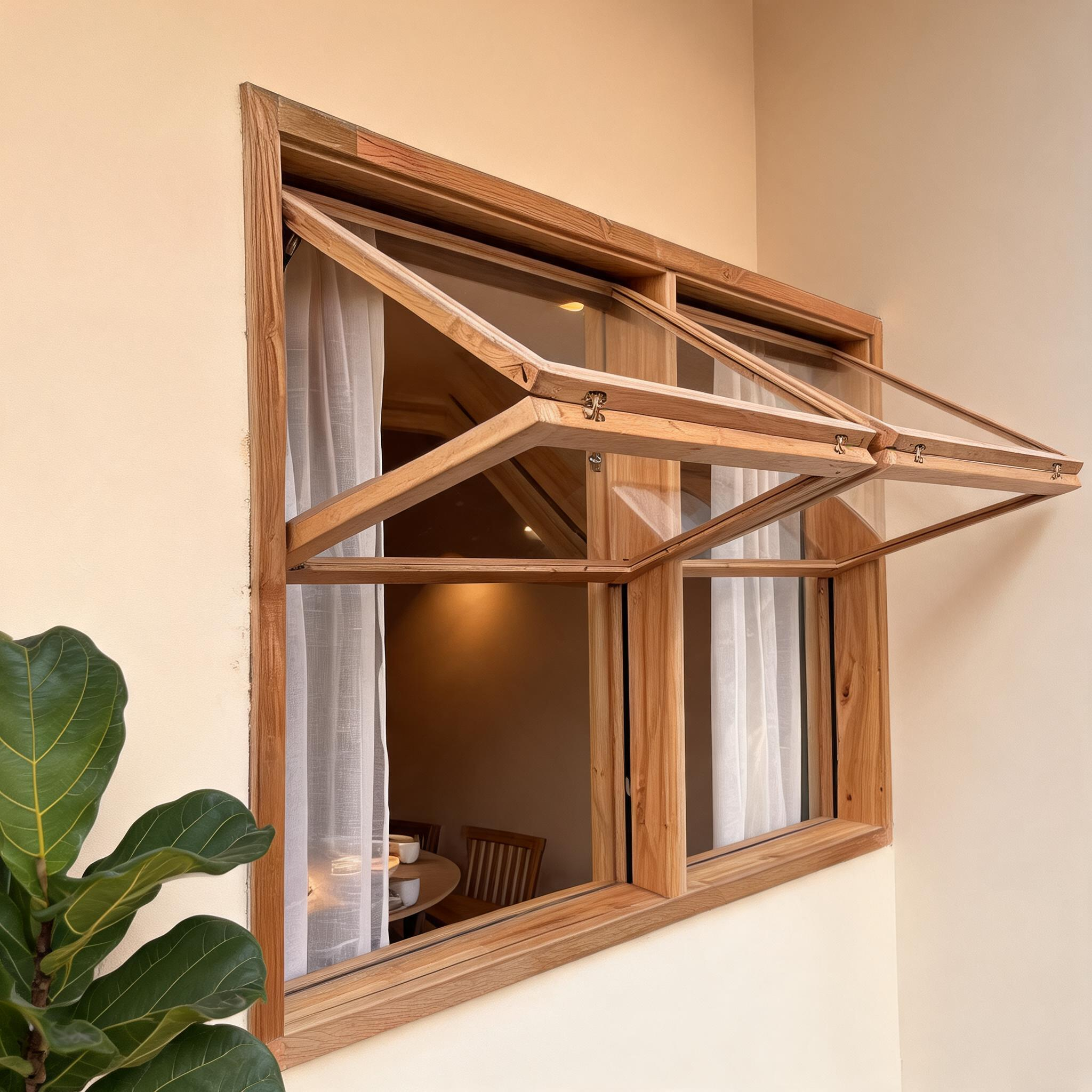
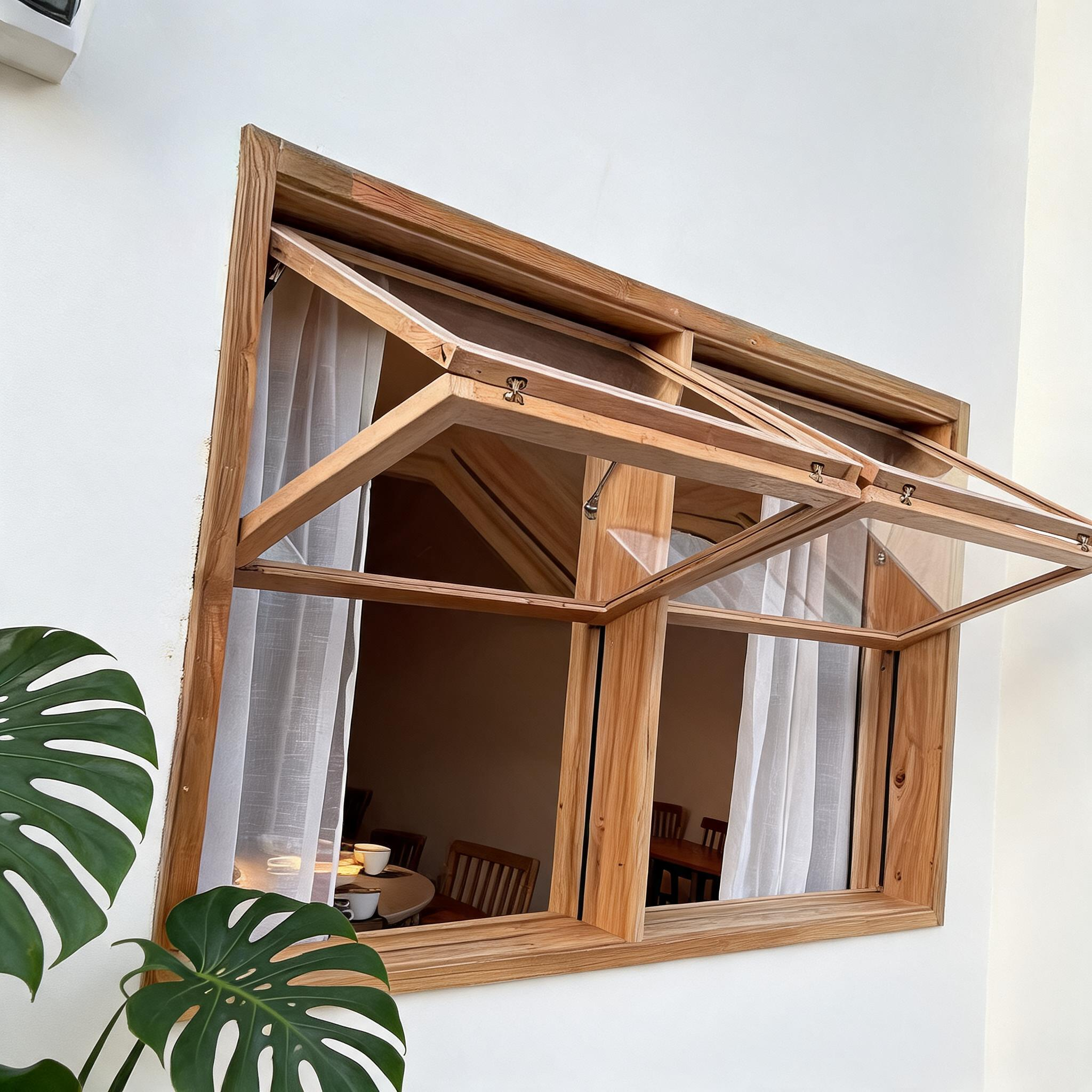
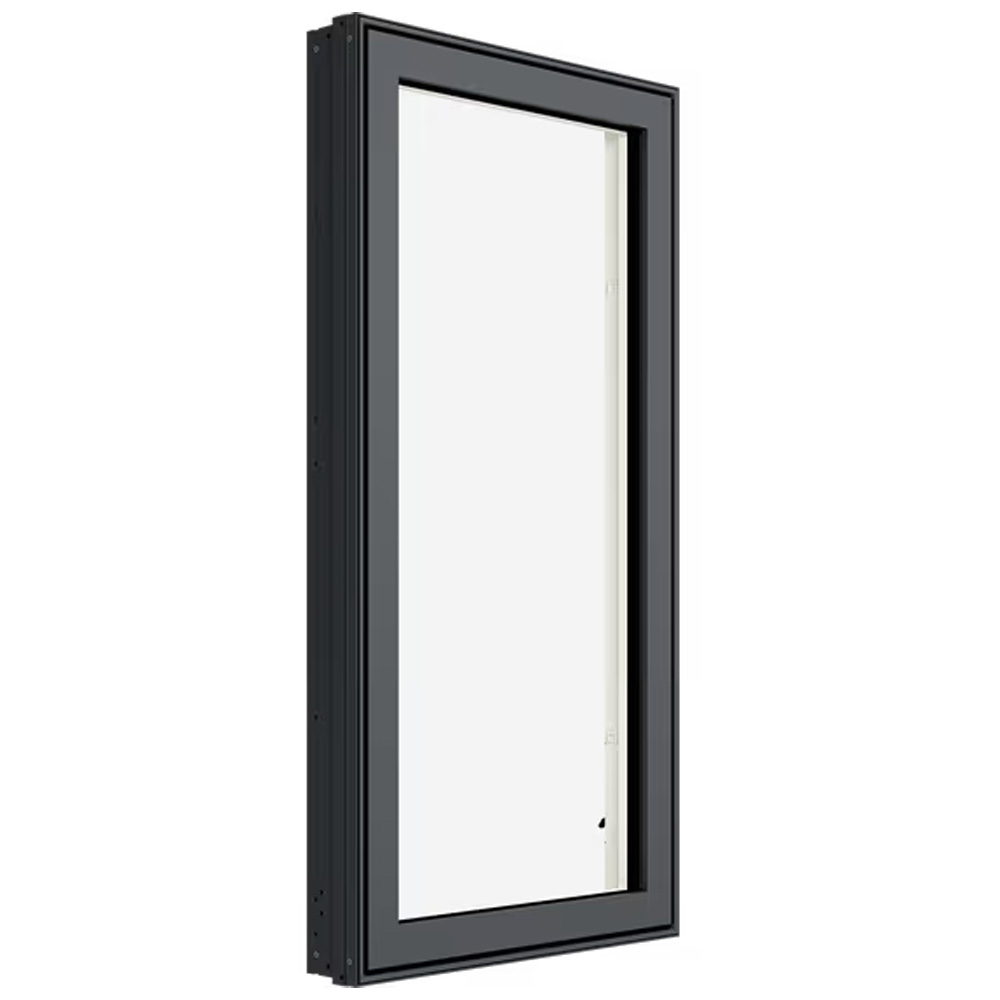
Designed for projects that demand thermal efficiency, structural stability, and dependable weather protection, this outward-opening casement system uses pultruded FRP glass-fiber composite profiles to deliver long-term performance in challenging environments. The sash opens outward on side hinges, creating a generous ventilation area and helping indoor spaces feel fresher, brighter, and more comfortable. With multi-point locking hardware, the window achieves tight closure for improved air-tightness and water-tightness, making it a practical choice for energy-conscious buildings and locations exposed to wind, rain, or salt-laden air.
For architects, builders, and homeowners looking for a smarter alternative to conventional metal-framed systems, the FRUP casement Window offers a balanced combination of insulation, strength, and durability. Its composite frame does not create a metal thermal bridge, which helps reduce unwanted heat transfer through the profile. In real-world building use, that means better indoor temperature control, improved comfort near the window, and support for lower heating and cooling loads.
Why FRP Composite Profiles Make a Difference
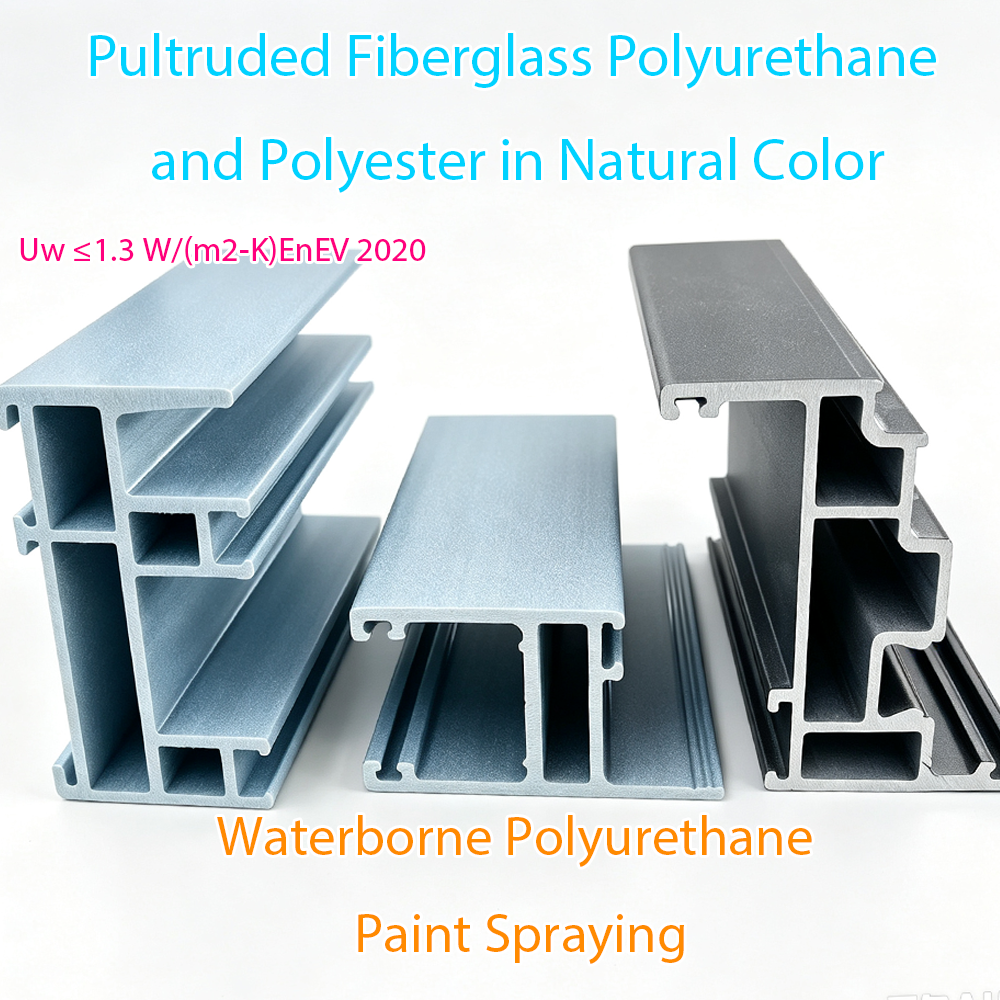
The core advantage of this window lies in its pultruded FRP profile structure. FRP, or fiberglass-reinforced polymer, combines light weight with high mechanical strength. Compared with traditional materials, it offers very low thermal conductivity and strong resistance to environmental stress. Because the profile has no metal thermal bridge, it helps preserve the insulation value of the overall window assembly, especially when paired with insulated or Low-E glazing.
Another important benefit is dimensional stability. The coefficient of thermal expansion of FRP is close to that of building concrete, which allows the frame to better adapt to surrounding building structures under seasonal temperature changes. This matters in daily use: profiles are less likely to deform significantly, and sealing gaskets are less likely to be stretched or torn over time. The result is more consistent sealing performance and a longer service life for the window system.
Performance Benefits for Modern Buildings
- Large outward-opening sash design promotes effective natural ventilation.
- Multi-point locking improves closure pressure for enhanced air and water sealing.
- Low thermal conductivity supports high-performance building envelopes.
- No metal thermal bridge helps minimize heat loss and condensation risk.
- Lightweight yet high-strength profiles provide dependable wind-pressure resistance.
- Excellent resistance to salt spray, corrosion, and UV aging suits demanding climates.
- Compatible with insulated glass, Low-E glass, and laminated tempered glass.
Built for Coastal, Humid, and Corrosive Conditions
Many window systems perform well in mild climates but deteriorate more quickly in coastal or high-humidity regions. This is where FRP material shows clear value. Its resistance to salt spray and corrosion makes it especially suitable for seaside homes, waterfront villas, island developments, and buildings exposed to moist or chemically aggressive air. UV-aging resistance also helps the profiles maintain performance under prolonged sunlight exposure, which is essential for exterior applications in hot and bright climates.
In windy areas, profile strength is just as important as weather sealing. Thanks to the high strength-to-weight ratio of fiberglass composite, this system offers strong wind-pressure resistance without the burden of excessive frame weight. That can support easier handling during fabrication and installation while still meeting the practical demands of exposed building locations.
Glass Compatibility and Design Flexibility
This window system can be configured with several common high-performance glazing options to meet different project goals. Insulated glass can help improve thermal control. Low-E glass can further reduce solar heat transfer and support energy-saving targets. Laminated tempered glass can be selected where improved safety, acoustic performance, or impact resistance is desired. This flexibility allows the window to fit both premium residential and advanced low-energy building applications.
Because of these material and glazing advantages, the FRUP casement Window is widely suited to residential villas, passive houses, and other buildings where comfort, efficiency, and environmental durability are priorities. It serves well in projects that require more than a standard opening window, particularly where long-term sealing reliability and insulation performance directly affect occupant satisfaction.
Ideal Applications
- Private villas and upscale residential developments
- Passive houses and energy-efficient homes
- Coastal residences and seaside hospitality buildings
- Projects in humid, rainy, or corrosive environments
- Buildings seeking improved comfort and reduced thermal bridging
Who Benefits Most
This window is a strong fit for developers aiming to improve building envelope quality, designers specifying materials for difficult climates, and homeowners who want quieter, more comfortable interiors with less concern about long-term frame distortion or weather-related wear. It is also well aligned with projects that value durable materials and practical energy performance rather than short-term cost alone.
A Practical Choice for Long-Term Value
Choosing the right window is about more than appearance. It affects ventilation, comfort, insulation, maintenance expectations, and how a building stands up to its environment year after year. By combining pultruded fiberglass composite profiles, outward-opening ventilation, multi-point locking, and broad glass compatibility, this system offers a dependable solution for projects that expect lasting performance. For buyers seeking a window that is thermally efficient, structurally reliable, and well suited to harsh or coastal conditions, the FRUP casement Window represents a focused, high-value option.
FRP (Fiber-Reinforced Plastic) windows are made by using glass fibers and resin-based materials that are formed through pultrusion; no steel reinforcement is required. They can be designed as sliding windows, windows that open inward, push-open windows, and lift-and-slide doors. These represent a high-performance new type of window and door system suitable for buildings with ultra-low energy consumption, passive houses, areas with extreme cold conditions, and high-rise buildings.
Related Suggestion
FORM