FRPU
window
Pultruded FRP fiberglass window with polyurethane resin matrix. No steel liner, excellent thermal insulation, salt‑corrosion & weather resistance. Fit for passive house, coastal and high‑rise projects, customizable casement & sliding styles.。
Can I Request a Sample of a Fiberglass Polyurethane Window Profile?
Can I get sample of fiberglass polyurethane window profile before placing a bulk order? For distributors, contractors, fabricators, and project developers, the answer should normally be yes. A sample is not merely a sales item or a color swatch. It is a practical way to assess whether a fiberglass-reinforced polyurethane profile can meet the thermal, structural, glazing, fabrication, and installation expectations of a specific window project.
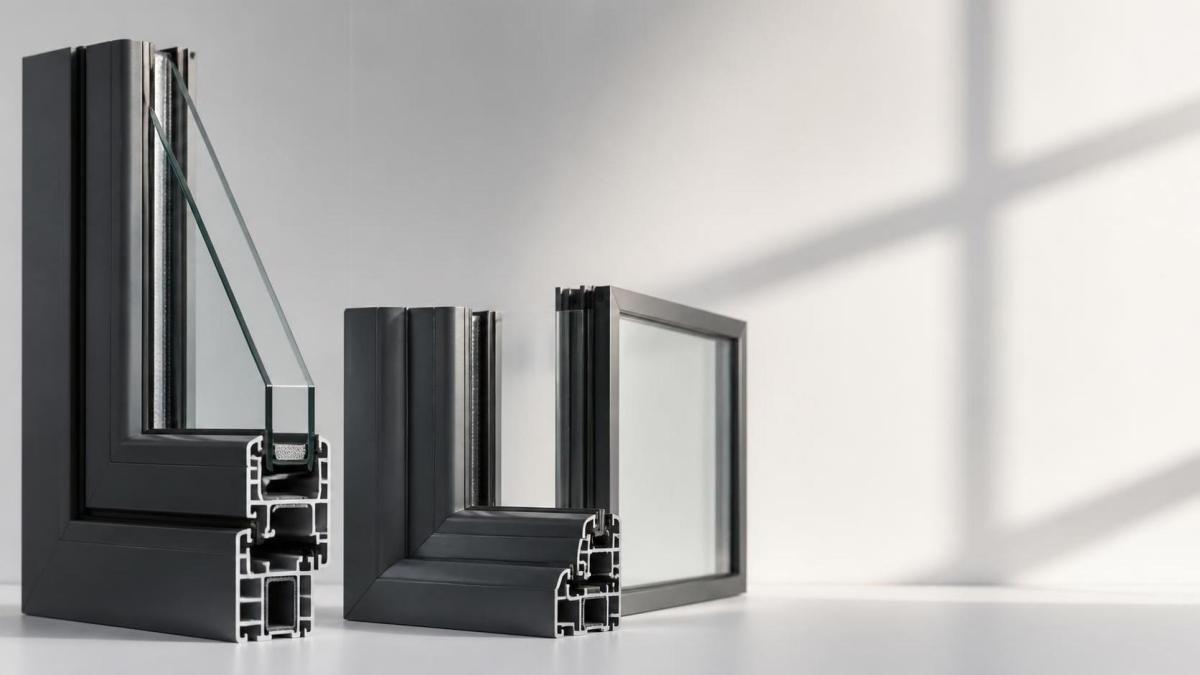
That said, “sample” can mean very different things. A short cut section may be enough to inspect the pultruded profile, wall thickness, internal geometry, and surface finish. A corner assembly can reveal how profiles join and whether the visual alignment is suitable. For a more demanding project, a small operable sash or a complete window sample may be necessary to evaluate hardware integration, glazing beads, drainage design, opening performance, and overall system appearance.
The right request depends on what decision you need to make. If you are comparing material options, a profile section is often the starting point. If you are preparing a passive-house-oriented residence, a coastal hotel, a chemical facility, or a commercial façade package, the sample discussion should go further than appearance. It should connect the profile to the whole window system and the conditions it will face after installation.
Why a Profile Sample Matters Before Bulk Procurement
Fiberglass polyurethane window profiles are different from conventional aluminum frames, steel-reinforced PVC profiles, and solid timber systems. In a pultruded FRPU or GFRPU profile, continuous glass fibers provide strength while the polyurethane matrix forms the structural body. The result can combine low thermal conductivity with useful rigidity, relatively low weight, and resistance to moisture-related corrosion.
Those characteristics sound attractive on paper, but procurement teams still need to verify what is actually being supplied. A real sample lets the buyer inspect whether the profile geometry supports the intended insulated glass unit, whether reinforcement is truly unnecessary for the proposed window size, and whether the frame can be fabricated consistently with available machinery and hardware.
It also prevents a common purchasing mistake: evaluating a window profile as an isolated strip of material. The thermal and operational performance of a finished window depends on the profile, glazing, seals, drainage paths, corner treatment, hardware, installation gap, wall connection, and workmanship. A profile may be suitable in principle yet require a different glazing configuration or sash design to suit a particular climate and building envelope.
For this reason, a capable manufacturer should be willing to discuss the intended application before dispatching a sample. A distributor building a local window range may need standard profile sections and fabrication guidance. A contractor may need a representative window corner for consultant review. A developer may need a finished sample window that can be examined alongside wall materials, exterior finishes, and proposed glass.
What to Ask for When Requesting a Sample
A useful sample request starts with enough project information to avoid receiving the wrong profile. The supplier does not need every construction drawing at the beginning, but several details make the evaluation much more meaningful:
- Window type: casement, sliding, tilt-and-turn, fixed, top-hung, hopper, bi-fold, louver, or another configuration.
- Approximate opening dimensions and whether the window will carry large or heavy glazing.
- Project environment, especially coastal exposure, high humidity, chemical vapors, strong sun, or large seasonal temperature changes.
- Preferred glass build-up, such as insulated glass, Low-E glass, or laminated tempered glass.
- Required finish, including surface color, texture, and whether the interior and exterior faces need different treatments.
- Whether the buyer will fabricate locally, purchase finished windows, or require OEM or ODM support.
It is also worth asking whether the sample comes from a standard production profile or a newly developed custom mould. Standard samples are generally more straightforward because the extrusion or pultrusion tooling already exists. A custom profile may involve a longer development path, because the mould, geometry, fiber arrangement, wall thickness, and mating accessories must all be considered together.
For a serious product line or a large project, ask for the profile cross-section drawing and identify the specific piece being sampled: outer frame, sash, mullion, transom, glazing bead, adaptor, reinforcement-related component, or accessory connection profile. Ambiguous sample requests often lead to a package that looks acceptable but cannot answer the actual technical question.
How to Evaluate the Sample Beyond Its Surface Appearance
The first inspection is visual, and it matters. Look for consistency in the profile surface, straightness, clean edges, and the quality of any coating or color treatment. Examine cut ends as well. They can help reveal whether the internal fiber distribution and profile structure appear uniform. A polished sample alone is not proof of long-term performance, but uneven surfaces, poorly formed corners, or inconsistent dimensions deserve further questions.
Then consider the profile as part of a system. Check the glass pocket and bead arrangement against the proposed glazing thickness. Confirm where gaskets sit, how water is expected to drain, and whether the profile geometry leaves sufficient room for the intended hardware. For opening windows, it is sensible to ask how hinges, locking points, handles, and fasteners are integrated. The profile may have high inherent strength, but hardware connection details still determine how loads are transferred during daily use.
Thermal performance is another reason buyers explore FRPU frames. Unlike a metal frame, a fiberglass polyurethane profile does not create the same direct metal thermal bridge through the section. Its low thermal conductivity can support an energy-efficient window design, particularly when combined with suitable insulating glass and careful installation. However, do not infer a finished window thermal value solely from a hand-held profile. The complete construction, glass specification, spacer choice, seals, and installation details all affect the final result.
Thermal movement should be examined in context as well. FRPU profiles can have a thermal expansion behavior closer to concrete walls than many metal framing systems. This can be useful where exterior temperatures fluctuate and long frame members interface with masonry or concrete construction. The actual connection strategy, fixing spacing, sealant selection, and allowance for building movement still need to be designed for the project rather than assumed from material type alone.
A Short Profile Is Not Always Enough
A cut sample can answer material questions, but it cannot demonstrate a working window. If the project includes operable units, ask whether a corner mock-up, sash-frame assembly, or representative finished unit is available. This is especially useful for tilt-and-turn, casement, sliding, and bi-fold systems, where hardware placement and operational tolerances are central to user experience.
For example, a sliding window buyer may need to inspect track geometry, roller compatibility, drainage design, and how the meeting stiles seal. A casement or top-hung window buyer may care more about hinge fixing positions, sash stiffness, gasket compression, and the alignment of the locking system. A fixed window may appear simpler, but large glazed panels can introduce questions about glass support, frame deflection, and site handling.
When evaluating finished samples, avoid treating them as final project approval unless their size, glazing, hardware, and finish match the intended order. A small display window may show workmanship and design logic, but it cannot automatically represent a much larger unit with heavier glass. The supplier should be able to distinguish between a demonstration sample and a project-specific prototype.
Questions That Reveal Supplier Readiness
The sample process is also a way to assess the supplier. Good communication is not just about quick replies; it is about whether the manufacturer asks relevant technical questions and can explain the limits of the proposed solution. Be cautious if a supplier promises that one profile will suit every climate, every glass thickness, and every opening size without reviewing the application.
Useful questions include:
- Is this sample produced from the same pultrusion process and material system intended for commercial supply?
- Which window systems can this profile support, and what hardware or accessories are designed to work with it?
- Can the supplier provide profile drawings, recommended glazing options, and fabrication guidance?
- What customization is practical for color, dimensions, mould design, or profile combinations?
- What information is needed before confirming suitability for local requirements or project specifications?
Manufacturers with in-house pultrusion capability are generally in a better position to discuss these points in detail. They can connect profile design with production realities instead of treating the frame as a purchased component. For FRPU window systems, this matters because mold development, fiber reinforcement arrangement, profile geometry, surface treatment, and finished-window assembly are closely linked.
Where FRPU Samples Are Particularly Worth Testing
A fiberglass polyurethane window profile is often considered where conventional metal frames create concerns about heat transfer or corrosion. Coastal developments may prioritize salt-spray resistance and stable appearance over time. Chemical plants and humid industrial areas may need window materials that avoid the corrosion issues associated with exposed metals. Villas, homestays, and energy-conscious residential projects may focus on insulation, low-maintenance finishes, and the visual flexibility of custom colors.
In these settings, a sample should be evaluated against the actual building condition rather than a generic product comparison. A sea-facing window, for instance, may require attention to glazing choice, seal quality, drainage, hardware material, and wall interface in addition to the frame profile. A low-energy home may need a coordinated discussion of frame, glass, airtightness, and installation. The profile is important, but it is not the entire envelope strategy.
For international buyers, there is another practical reason to sample early: fabrication habits and market expectations vary. A distributor in North America, Europe, Southeast Asia, or Oceania may use different glazing practices, hardware brands, wall systems, and preferred opening styles. Sending drawings, hardware preferences, and glass details with the sample request can reduce later revisions and help clarify whether an OEM or ODM approach is more appropriate.
Turning a Sample Into a Better Procurement Decision
The most effective sample review has a clear outcome. After inspection, the buyer should be able to decide whether to proceed with a standard profile, request a larger system sample, modify glazing or finish choices, develop a custom section, or stop the evaluation because the system does not suit the project.
For a manufacturer specializing in pultruded fiberglass-reinforced polyurethane profiles and finished energy-saving windows and doors, sampling can include more than one profile length. Depending on the requirement, it may involve casement, sliding, bi-fold, tilt-and-turn, top-hung, hopper, fixed, louver, or related system components. It may also involve a discussion of insulated glass, Low-E glass, laminated tempered glass, surface color, and the practical limits of custom window dimensions.
Requesting a sample is therefore a sensible first step, not a minor formality. Ask for a sample that reflects the decision you need to make, review it as part of a complete window assembly, and confirm technical details before committing to bulk production. That approach gives both buyer and manufacturer a clearer basis for selecting a durable, energy-efficient FRPU window solution.