FRPU
window
Pultruded FRP fiberglass window with polyurethane resin matrix. No steel liner, excellent thermal insulation, salt‑corrosion & weather resistance. Fit for passive house, coastal and high‑rise projects, customizable casement & sliding styles.。
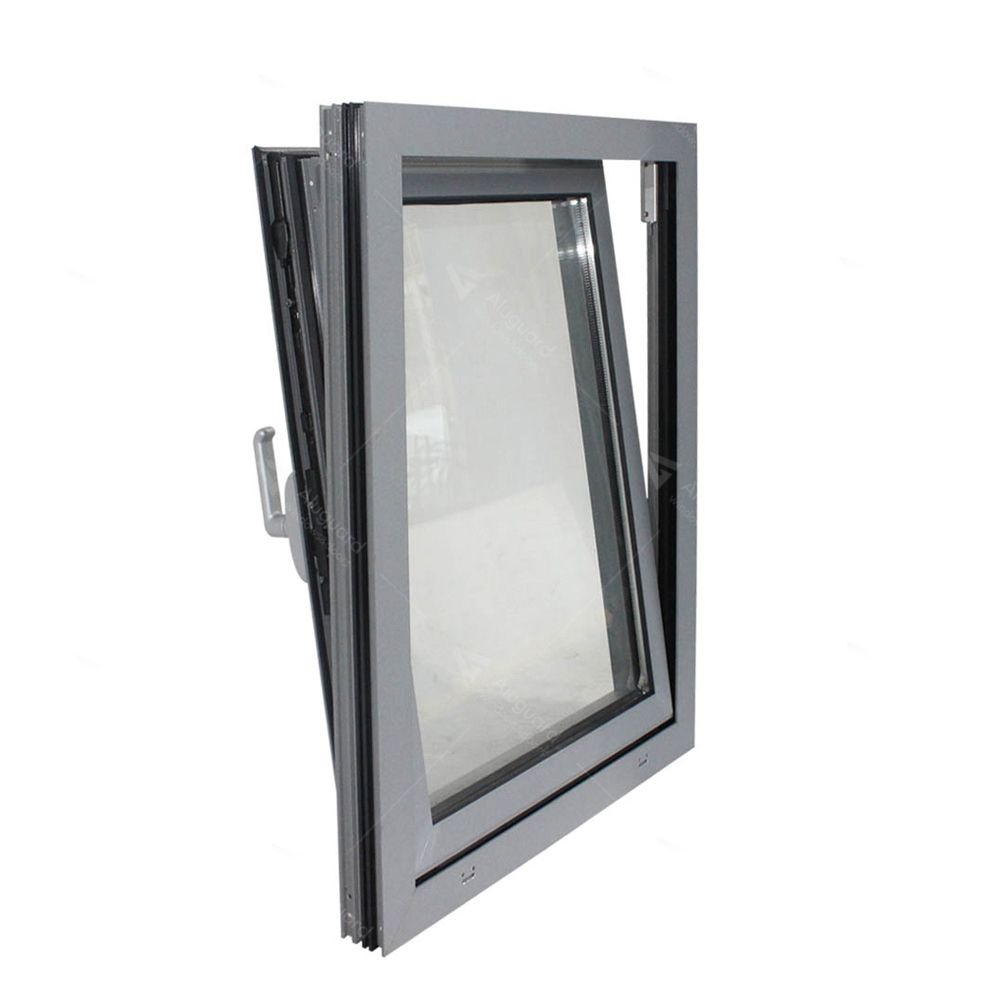
FRP window GRP window)
Fiberglass window
Fiberglass reinforced polymer window
Pultruded fiberglass window
What Are FRPU Window, PU Window, FRP Door, Casement Window, And Bowl Window Systems?
The phrase frpu window pu window frp door casement window bowl window covers several related but materially different building-envelope products. An FRPU window generally uses pultruded fiberglass-reinforced polyurethane profiles, while a PU window may refer broadly to a polyurethane-based profile, insulated component, or system whose reinforcement method must be confirmed. An FRP door uses fiber-reinforced polymer skins, frames, or structural components to provide a durable alternative to conventional wood or metal door assemblies.
A casement window is defined by its operating method: the sash is side-hinged and opens inward or outward. It can be built with FRPU, aluminum, timber, vinyl, or other framing materials. A bowl window is not a universally standardized technical term. In project discussions, it may describe a curved, projecting, recessed, or specially shaped window configuration. Buyers should request elevation drawings, section details, opening direction, glass specification, and drainage requirements before treating it as a fixed product category.
For professional procurement, material terminology and system terminology should be separated. FRPU and FRP describe composite material families; casement, sliding, hopper, awning, tilt-and-turn, and fixed describe window functions; glazing, hardware, seals, and installation define the finished system performance. This distinction prevents a supplier quotation from comparing only frame material while omitting the components that influence air leakage, water penetration, security, thermal transfer, and service life.
How Composite Profiles Work In Window And Door Systems
FRPU profiles are commonly produced through pultrusion, a continuous manufacturing process in which reinforcing glass fibers are drawn through a resin system and heated die. The resulting profile is engineered for shape stability and structural continuity. In a fiberglass-reinforced polyurethane window profile, glass reinforcement carries much of the load while the polyurethane matrix binds fibers, supports geometry, and contributes to resistance against moisture and chemical exposure.
The thermal behavior of the frame matters because metal reinforcement can form a conductive route between indoor and outdoor conditions. AnHui Te Chuang develops pultruded FRPU/GFRPU profiles requiring no steel reinforcement, enabling a zero-metal thermal-bridge structural approach. Actual window thermal performance still depends on complete assembly design, including profile chambers, glass spacer selection, insulated glazing, seals, sash compression, wall interface, and installation quality.
In an FRP door, composite elements may be used for the door leaf, facing, frame, reinforcement, or threshold-related components. The relevant technical questions are different from those for an operable window: impact exposure, hinge support, core construction, lock preparation, door swing, fire-related project requirements, finish durability, and moisture management. A correct specification identifies each component rather than assuming all FRP doors have the same construction.
Main Product Types And Suitable Configurations
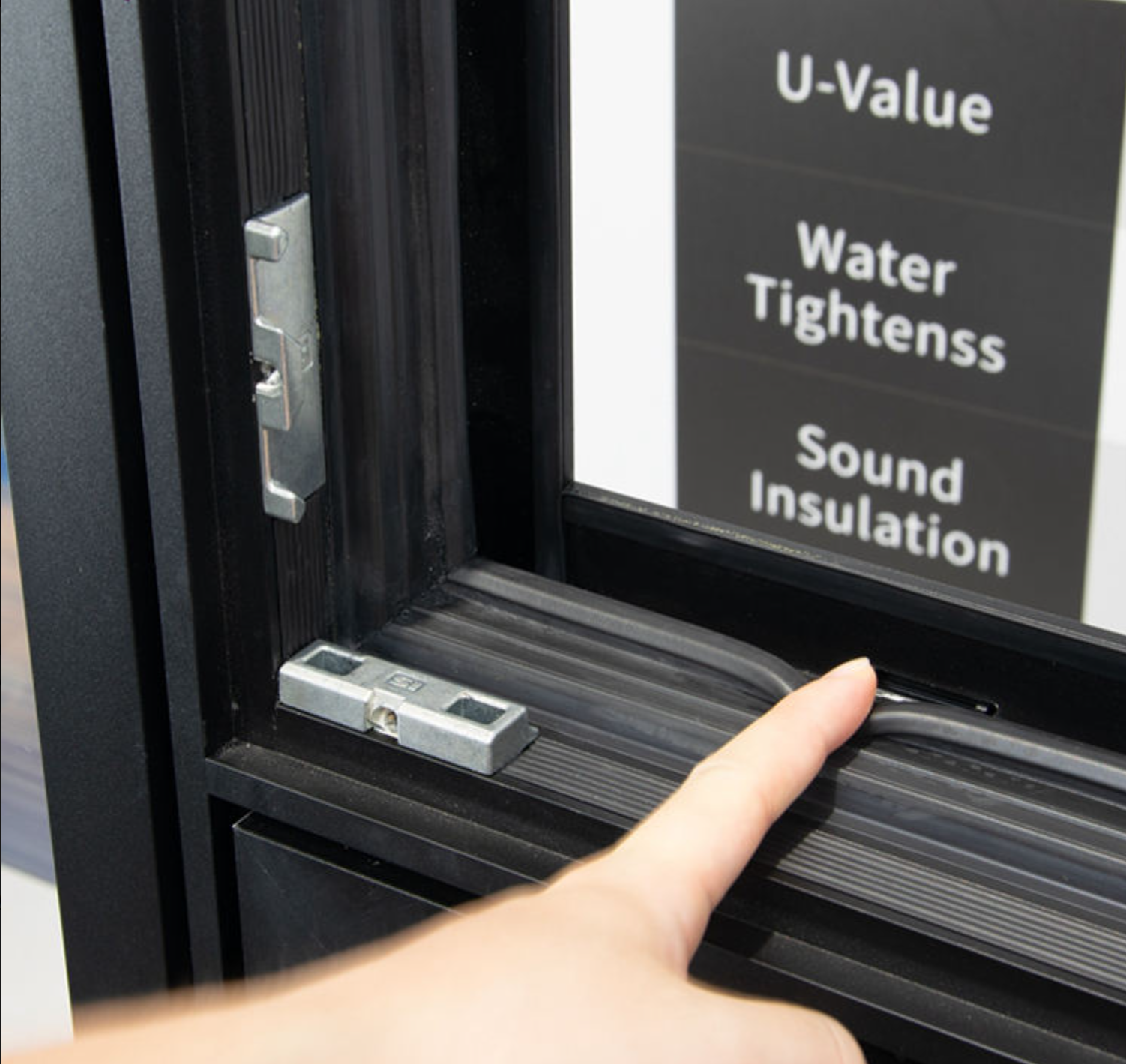
Casement windows are often selected where controlled ventilation, compression sealing, and a clean architectural appearance are priorities. Multi-point locking can improve sash compression around the perimeter when properly adjusted. Tilt-and-turn systems add a second ventilation position and are common in higher-performance residential designs. Fixed windows maximize daylight and views without operating hardware, but need careful glass selection because they cannot provide natural ventilation.
Sliding and bi-fold windows suit openings where the sash should not project into walkways or terraces. Top-hung awning windows can provide ventilation during light rain when detailed appropriately, while hopper windows are often useful for compact utility, basement, and industrial ventilation zones. Adjustable louver windows may support airflow needs in facilities, provided the project team evaluates sealing expectations, insect screening, dust exposure, and storm conditions.
For a bowl window or any non-rectangular architectural feature, the buyer should establish whether the shape is created by curved glazing, segmented straight units, bent profiles, cladding, or surrounding façade work. This decision affects tooling, glass fabrication, tolerances, packing, freight, installation sequence, and replacement planning. AnHui Te Chuang can support custom profiles, non-standard dimensions, colors, glazing configurations, and system-window solutions when the project scope is documented early.
Selection Criteria For Performance-Led Procurement
Start with the project environment rather than a frame-material preference. Coastal buildings may require attention to salt spray, hardware corrosion resistance, seal aging, and drainage. Chemical or industrial facilities may need resistance to corrosive atmospheres, dust, temperature variation, and frequent ventilation cycles. In cold, hot, or mixed climates, the frame and glazing package should be evaluated as one thermal envelope, with the target performance defined by local code and project requirements.
A practical frpu window pu window frp door casement window bowl window comparison should ask for profile cross-sections, wall thicknesses, reinforcement details, glass make-up, gasket layout, drainage paths, hardware brands or grades, opening limits, and test documentation relevant to the destination market. Insulated glass, Low-E glass, and laminated tempered safety glass solve different problems. Their selection should reflect solar exposure, condensation risk, acoustic demand, safety zones, and desired visible-light transmission.
Buyers should also specify interface conditions: wall substrate, waterproofing layer, flashing approach, reveal depth, interior finish, exterior cladding, and allowable installation tolerances. A high-quality window can underperform if drainage is blocked, the frame is distorted during fixing, sealants are incompatible, or the perimeter joint is poorly designed. Tender documents should assign responsibility for shop drawings, sample approval, site measurement, installation inspection, and final adjustment.
Applications, Market Requirements, And Project Evidence
Composite window systems are relevant to residential houses, luxury villas, passive-house-oriented projects, commercial stores, homestays, industrial plants, and coastal developments. Their value is usually strongest where thermal insulation, dimensional stability, corrosion resistance, and long-term sealing are material project concerns. Market entry requirements vary by country and project, so suppliers and buyers should align design documentation, applicable building-window standards, labeling, safety-glass rules, and third-party testing needs before production.
AnHui Te Chuang offers finished system windows and independently produced composite profiles, giving project buyers a single manufacturing route from material formula and pultrusion through precision processing and final assembly. Its recommended configurations can include casement, tilt-and-turn, fixed, hopper, and louver systems with security screens, multi-point locking, and waterproof sealing solutions. This integrated approach can simplify coordination where profile consistency and bulk supply stability are important.
In European and North American passive-house and ultra-low-energy villa projects, the company reports supplying tilt-and-turn, casement, and fixed systems designed around zero-metal thermal-bridge principles and low thermal conductivity. For chemical plant anti-corrosion projects in the Middle East and Southeast Asia, it reports using louver, hopper, and sealed casement configurations to address ventilation, dust control, acid-base corrosion exposure, and long-term window durability.
Manufacturing, Installation, And Quality Control
A dependable manufacturing workflow begins with confirmed drawings, material selection, profile production, cutting, machining, reinforcement review where applicable, corner joining, gasket insertion, glazing, hardware fitting, sash adjustment, cleaning, packing, and final inspection. For custom bowl window designs, dimensional verification and trial assembly become more important because curved or segmented geometry can magnify tolerance issues. Packaging should protect corners, glass edges, surface finishes, and labels throughout international transport.
AnHui Te Chuang states that it controls profile production and window assembly in-house and conducts incoming material inspection, in-process monitoring, air and water tightness checks, wind-load-related checks, and finished-product inspection. Buyers should define the inspection plan in the purchase order, including sampling method, acceptable tolerances, visual criteria, glass defects, hardware operation, drainage verification, packing requirements, and the technical files required for project submission or third-party review.
On site, installers should check opening dimensions, plumb, level, structural support, sill condition, frame anchorage, shim placement, and perimeter waterproofing before glazing and final adjustment. Operable sashes need even reveals, smooth motion, reliable locking, and consistent gasket compression. A post-installation inspection should include drainage-path review, water-management details, sealant adhesion, glass integrity, screen fit, hardware adjustment, and handover instructions for maintenance personnel.
Total Cost Of Ownership, Maintenance, And Industry Trends
Purchase price is only one part of the total cost of ownership for frpu window pu window frp door casement window bowl window systems. Buyers should include design engineering, custom tooling, glazing, hardware, freight, customs, installation labor, access equipment, maintenance, replacement parts, energy use, downtime risk, and expected refurbishment. A low initial quotation may become costly when profile stability, corrosion resistance, seal performance, or supplier support do not match the building environment.
Routine maintenance should include cleaning drainage channels, checking gaskets for damage or compression loss, lubricating and adjusting hardware according to supplier guidance, inspecting sealant joints, and reviewing glass and screen condition. Maintenance frequency should increase in coastal, high-dust, high-humidity, or chemically exposed locations. Keeping records of installed window type, glass code, hardware set, opening size, and replacement parts helps facility teams respond efficiently when repairs are needed.
The market is moving toward lower operational energy demand, better envelope continuity, larger glazed areas, safer glazing, improved acoustic comfort, and project-specific resilience. Composite profiles can be considered alongside aluminum, vinyl, timber, and hybrid systems where thermal breaks and corrosion exposure influence the design brief. For B2B sourcing, the most useful return-on-investment review compares documented system performance, maintenance assumptions, lead-time reliability, service support, and lifecycle risk against the project’s actual operating conditions.